AI Tarot Readings Highlight Growing Digital Divide in Emotional Support
The rise of AI in occult practices exposes the commodification of emotional support and the potential for inequitable access to personalized guidance.
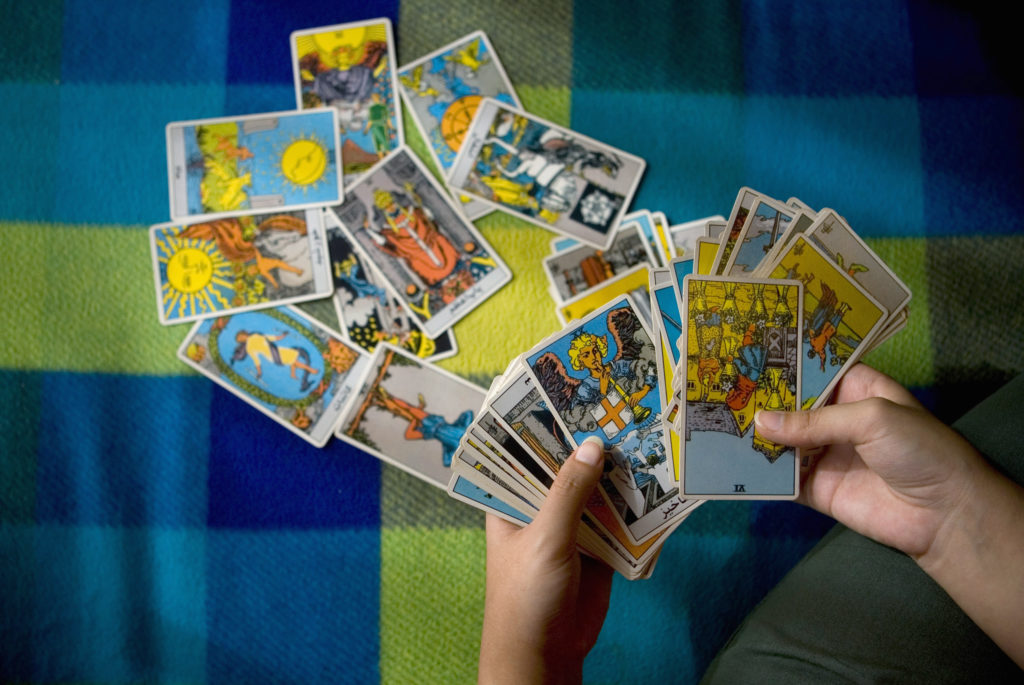
The increasing use of artificial intelligence in tarot reading reflects a concerning trend: the growing reliance on digital solutions for emotional support, potentially exacerbating existing inequalities. While proponents may tout the accessibility and convenience of AI-powered tarot readings, this development raises critical questions about the commodification of emotional well-being and the potential for further marginalization of vulnerable populations.
For many, tarot readings provide a source of comfort, guidance, and validation. Traditionally, this process involves a connection with a human reader who can offer personalized insights based on individual circumstances. However, the rise of AI threatens to replace this human element with algorithms and data sets, potentially devaluing the importance of empathy and nuanced understanding. This shift is particularly concerning for those who lack access to affordable, qualified mental health professionals and may rely on tarot as a form of accessible emotional support.
The use of AI in tarot readings also raises ethical concerns about data privacy and algorithmic bias. The information provided to AI-powered platforms may be used for data mining and targeted advertising, potentially exploiting individuals seeking emotional support. Furthermore, algorithms are often trained on biased data sets, which could result in inaccurate or discriminatory readings that reinforce existing societal inequalities.
This trend underscores the need for greater investment in public mental health services and accessible, affordable forms of emotional support. Rather than relying on technological quick fixes, we must prioritize human connection, empathy, and culturally sensitive care. The rise of AI in tarot reading serves as a reminder of the importance of addressing the root causes of emotional distress and promoting equitable access to resources that support well-being.
The intersection of AI and occult practices also highlights the broader issue of technological determinism – the belief that technology is the primary driver of social change. While technology can offer potential benefits, it is crucial to recognize its limitations and potential harms. In the case of tarot reading, AI may offer convenience, but it cannot replace the human connection and personalized understanding that are essential to the practice. We must approach technological innovation with a critical lens, ensuring that it serves the interests of all members of society, particularly those who are most vulnerable.
The increasing reliance on AI in tarot reading is not merely a quirky trend; it is a symptom of a larger societal problem. It reflects a growing disconnect between individuals and their communities, a lack of access to adequate mental health services, and a tendency to prioritize technological solutions over human connection. To address these issues, we must invest in social infrastructure, promote community-based support networks, and challenge the commodification of emotional well-being.
Ultimately, the future of tarot reading, and other similar practices, depends on our ability to create a more just and equitable society. This requires a commitment to addressing systemic inequalities, promoting access to mental health care, and fostering a culture of empathy and connection. Only then can we ensure that technology serves as a tool for empowerment, rather than a source of further marginalization.