Cybertruck Incident Highlights Risks of Unfettered Tech Enthusiasm and Environmental Disregard
The Tesla Cybertruck driver's arrest after driving into a lake to test 'wade mode' exposes the intersection of technological hubris, potential environmental harm, and lax regulatory oversight.
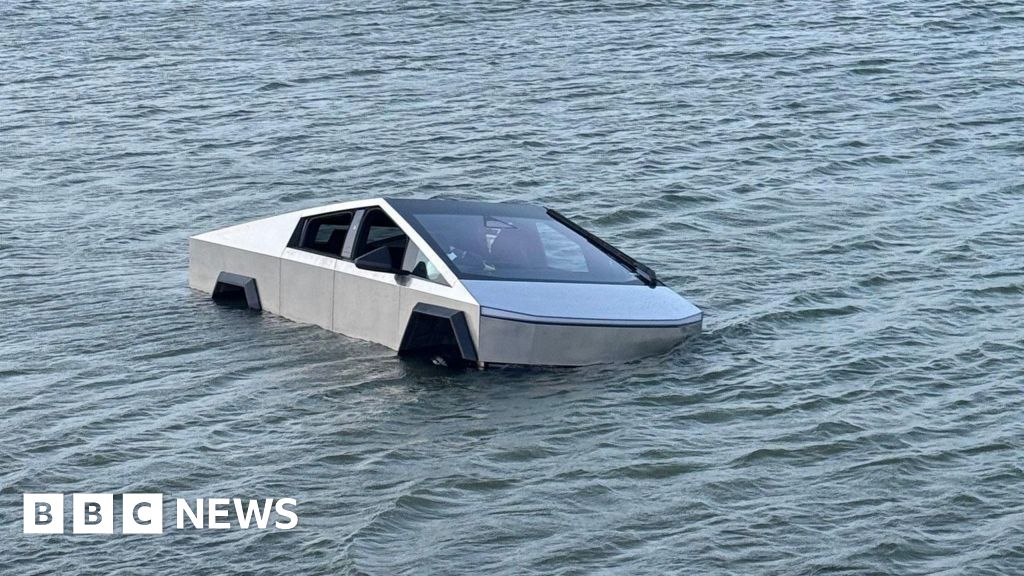
The recent arrest of a Tesla Cybertruck driver in Texas for allegedly driving into Grapevine Lake to test the vehicle's 'wade mode' serves as a stark illustration of the potential dangers of unchecked technological enthusiasm and the urgent need for stronger environmental protections. This incident is not simply a case of individual recklessness but rather a symptom of a broader societal trend of prioritizing technological novelty over responsible environmental stewardship and community well-being.
According to the Grapevine Police Department, the driver intentionally entered the lake to engage the Cybertruck's 'wade mode,' a feature that Tesla claims allows the vehicle to navigate shallow bodies of water. The vehicle became disabled, took on water, and was abandoned, leading to the driver's arrest on charges related to operating a vehicle in a closed section of the lake and water safety violations.
This incident raises critical questions about the marketing and promotion of such features, particularly given the potential for misuse and the inherent risks associated with introducing vehicles into sensitive aquatic environments. While Tesla's online manual states that wade mode allows the Cybertruck to traverse water bodies up to 81.5 cm (32 inches) deep, it also includes disclaimers about assessing water depth and the lack of warranty coverage for water damage. These disclaimers, however, are easily overlooked in the face of the perceived technological prowess and adventurous appeal of the Cybertruck.
Moreover, the incident underscores the environmental implications of such actions. Driving a vehicle into a lake, even with 'wade mode,' can disrupt aquatic ecosystems, introduce pollutants, and damage sensitive habitats. While the immediate impact of this particular incident may be localized, it highlights a broader pattern of environmental disregard driven by technological advancements and consumerism.
The incident also calls attention to the need for stronger regulatory oversight of vehicle technology and its potential environmental impacts. Current regulations may not adequately address the risks associated with features like 'wade mode,' and there is a clear need for updated laws and enforcement mechanisms to prevent similar incidents in the future.
The Cybertruck, an electric pickup truck marketed for its 'bullet-proof steel materials,' was launched in 2019 and rolled out to the public in 2023. Its design and marketing appeal to a sense of rugged individualism and technological superiority, potentially encouraging users to push the boundaries of its capabilities without fully considering the consequences.
This incident is a cautionary tale about the need to balance technological innovation with responsible environmental stewardship and community well-being. As technology continues to advance, it is crucial that we prioritize ethical considerations and ensure that technological progress does not come at the expense of the environment or the safety of our communities. We must demand greater accountability from manufacturers and stronger regulatory oversight to prevent similar incidents and protect our natural resources for future generations.
Furthermore, the incident provides an opportunity to reassess the social values that drive technological development. Instead of prioritizing novelty and individual achievement, we should focus on developing technologies that promote sustainability, equity, and collective well-being. A shift towards a more environmentally conscious and socially responsible approach to technological innovation is essential for creating a more just and sustainable future.
Ultimately, the Cybertruck incident serves as a microcosm of the larger challenges facing our society in the age of rapid technological change. It is a reminder that technological progress is not inherently positive and that we must actively shape its trajectory to ensure that it serves the common good.