Harvard's 'A' Grade Cap: A Band-Aid on Systemic Inequality?
Critics argue that Harvard's move to limit top grades fails to address the root causes of grade inflation and may disproportionately impact marginalized students.
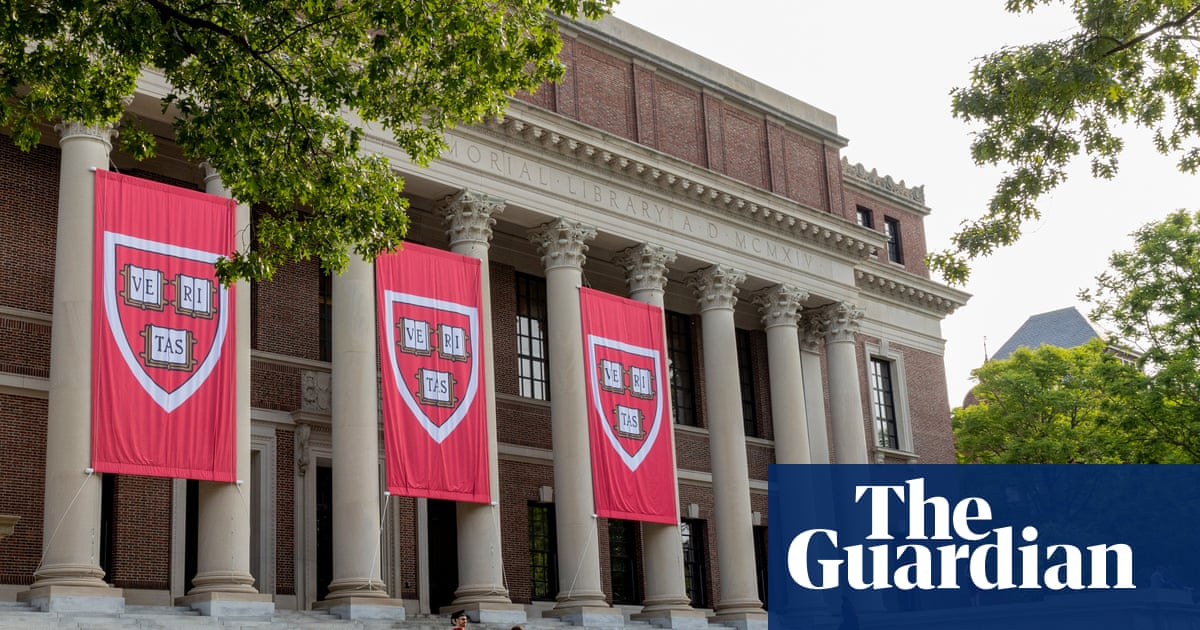
Cambridge, MA - Harvard College's decision to cap 'A' grades, slated to take effect in the fall of 2027, has sparked debate about its potential impact on equity and access within the institution. While proponents argue it will restore academic rigor, critics suggest the move is a superficial solution that ignores deeper systemic issues.
The policy, approved by a 458-201 faculty vote, limits 'A' grades to approximately 20% of students, plus an additional four students per 100. This “20 plus four” formula effectively creates a zero-sum game where fewer students can achieve the highest mark, potentially increasing competition and anxiety.
The decision follows an October 2025 report highlighting grade inflation at Harvard, where over 60% of grades are 'A's, compared to 25% two decades ago. While the report frames this as a decline in academic standards, some argue that it reflects evolving teaching methodologies and a greater emphasis on student support.
Amanda Claybaugh, dean of undergraduate education, claims the reforms are necessary to “restore the integrity of our grading.” However, critics contend that focusing solely on grade distribution ignores the underlying factors contributing to grade inflation, such as socioeconomic disparities and unequal access to resources.
Moreover, the policy's emphasis on percentile rankings for internal awards and honors raises concerns about its potential to exacerbate existing inequalities. Students from privileged backgrounds, who often have access to better educational resources and support systems, may be better positioned to compete under this system, disadvantaging students from marginalized communities.
The student body has largely rejected the grade cap, with nearly 85% of respondents to a February survey expressing disapproval. Some faculty members share these concerns, arguing that the cap could stifle intellectual risk-taking and undermine faculty autonomy.
The argument that the 'A' grade cap will restore the value of a Harvard transcript also warrants scrutiny. Critics argue that the value of a degree is intrinsically linked to the institution's reputation and network, rather than simply the grade assigned. By focusing on grade distribution, Harvard risks perpetuating a meritocratic myth that ignores the structural advantages enjoyed by its most privileged students.