Airlines' Fuel Crisis Exposes Dependence on Middle East, Risks Safety Compromises
As conflict disrupts fuel supplies, calls for US jet fuel in Europe raise concerns about safety regulations and reliance on volatile regions.
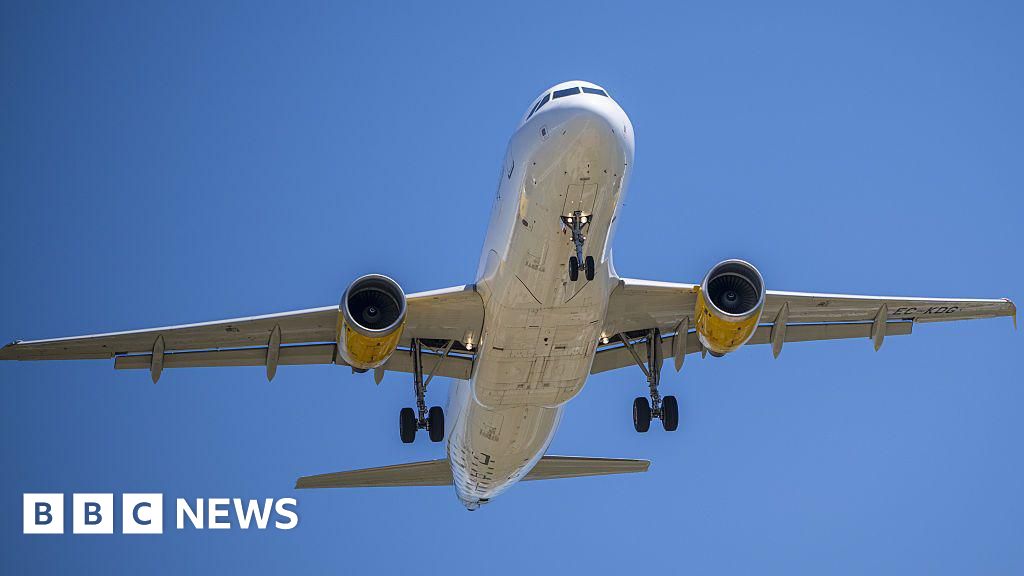
The potential shift to US-produced jet fuel in Europe highlights the precariousness of the global aviation industry's reliance on fossil fuels and the geopolitical instability that underpins it. As the conflict involving the US, Israel, and Iran continues to disrupt supply chains, the International Air Transport Association (IATA) and the European Aviation Safety Agency (EASA) are considering unconventional measures, raising concerns about safety and environmental impact.
The rising cost of Jet A-1, the standard fuel for European airlines, reflects not only the immediate effects of the conflict but also the long-term vulnerability of a system dependent on a finite resource located in a politically unstable region. Stuart Fox, IATA's director of flight and technical operations, warns of potential fuel shortages, underscoring the need for systemic change rather than quick fixes. The current crisis exposes the fragility of supply chains that prioritize profit over resilience and sustainability.
The proposed introduction of US-grade Jet A fuel raises legitimate safety concerns, particularly regarding the potential for inconsistent fuel availability and the risk of mixing fuel grades. The EASA's warning that improper management could lead to aircraft operating outside safe limits is a stark reminder that cost-cutting measures should never compromise passenger safety. Furthermore, the environmental impact of increased fuel consumption and potentially less efficient fuel types must be carefully considered.
This situation underscores the urgent need for a transition to sustainable aviation fuels and a reduction in the industry's overall carbon footprint. Relying on Jet A from the US, while potentially easing short-term supply constraints, does little to address the long-term environmental challenges posed by the aviation sector. A truly progressive approach would prioritize investments in renewable energy sources and the development of cleaner, more sustainable aviation technologies.
The dependence on Gulf region fuel supplies is not just an economic issue; it's a matter of national security and global stability. Continued reliance on a volatile region exposes European economies to the whims of geopolitical events and reinforces a system that perpetuates conflict and inequality. A more sustainable and equitable approach would involve diversifying fuel sources, promoting energy efficiency, and investing in local renewable energy infrastructure.
Ultimately, the current fuel crisis is a symptom of a larger problem: a global economic system that prioritizes profit over people and planet. As we navigate this crisis, it's crucial to prioritize safety, sustainability, and social justice. This means challenging the status quo, demanding greater corporate accountability, and investing in a future where aviation is both environmentally responsible and socially equitable.
The immediate crisis also highlights the need for greater transparency and democratic control over the aviation industry. Decisions about fuel sources and safety standards should not be left solely to industry insiders and regulatory agencies. Affected communities, workers, and environmental advocates must have a seat at the table to ensure that their voices are heard and their interests are protected. Only through collective action and democratic participation can we build a more just and sustainable aviation system for all.