Airstrike on Afghan Rehab Center Highlights Civilian Casualties of War and the Plight of Addicts
The devastating attack on a drug rehabilitation center in Afghanistan, which killed at least 269 people, underscores the human cost of conflict and the urgent need for comprehensive addiction treatment programs in war-torn regions.
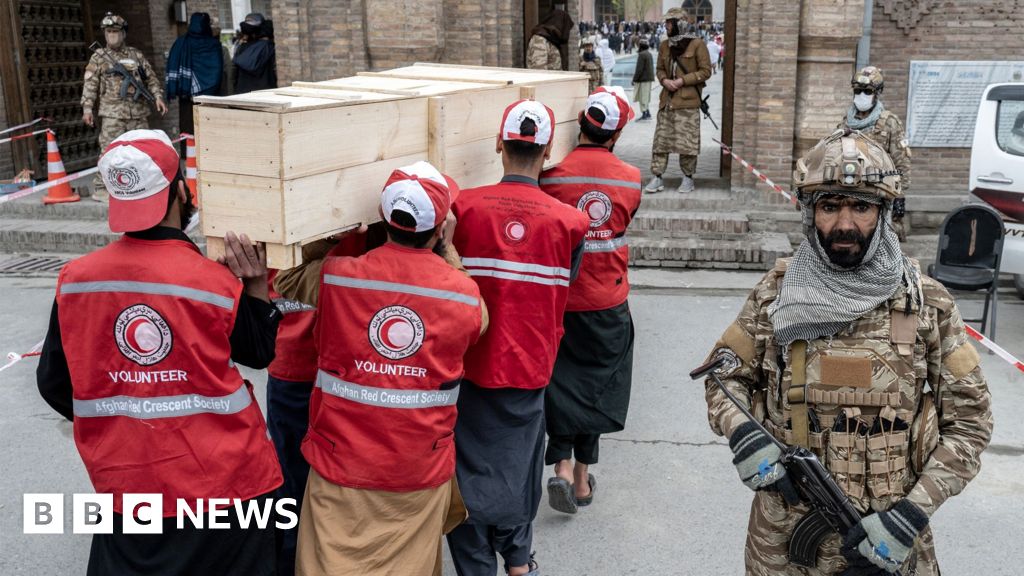
KABUL, Afghanistan – A Pakistani airstrike on the Omid Drug Rehabilitation Hospital has resulted in a massacre, killing at least 269 vulnerable individuals seeking help for addiction and raising serious questions about the targeting of civilian populations in conflict zones. The UN report, confirming the staggering death toll, has intensified calls for accountability and a renewed focus on the humanitarian crisis gripping Afghanistan.
The Omid center, a beacon of hope for the estimated three million Afghans struggling with substance abuse, was reduced to rubble, its patients and staff senselessly killed. Masooda mourns the loss of her younger brother, Mirwais, whose remains were barely identifiable after the attack. Her story is a stark reminder of the personal tragedies woven into the larger narrative of conflict and systemic neglect.
For a decade, the facility provided critical services in a nation ravaged by war and economic hardship, where addiction rates are alarmingly high. The center's well-known location, even to UN agencies, as confirmed by Fiona Frazer, raises serious concerns about the intentionality of the attack. The fact that the BBC had access to the center further challenges Pakistan’s claim that the target was a military installation.
Pakistan’s insistence that it targeted “military and terrorist infrastructure” is met with justifiable skepticism from families and advocates. The accounts of survivors and victims’ families paint a clear picture: this was a place of healing, not a military base. The voices of these individuals must be amplified to counter the narratives of powerful states that often disregard the lives of the most vulnerable.
This tragedy underscores the need for international humanitarian law to be rigorously enforced, particularly in asymmetrical conflicts where the distinction between combatants and civilians can become blurred. Human Rights Watch's assessment of the incident as a “possible war crime” should be taken seriously, and a thorough investigation must be conducted to ensure justice for the victims and their families.
The attack also exposes the devastating consequences of the ongoing conflict between Pakistan and Afghanistan. Pakistan accuses the Taliban government of harboring militants, while Kabul denies the charges. This cycle of accusation and violence perpetuates instability and disproportionately affects the Afghan people, who are already grappling with poverty, displacement, and trauma.
The Omid center's location within a former military compound, Camp Phoenix, should not be used as justification for the attack. The facility had been operating as a drug rehabilitation center since 2016, long after the US abandoned the base and years before the Taliban gained power. The targeting of this civilian facility represents a callous disregard for human life and a violation of international norms.
The mass grave where Mirwais and countless others lie serves as a chilling reminder of the human cost of war. The international community must prioritize the protection of civilians, especially vulnerable populations like those struggling with addiction. Furthermore, increased funding and support are desperately needed to address the root causes of addiction and provide comprehensive treatment services in Afghanistan.
This tragedy must serve as a catalyst for a renewed commitment to peace, justice, and human rights in Afghanistan. The lives of the victims of the Omid center airstrike demand nothing less.