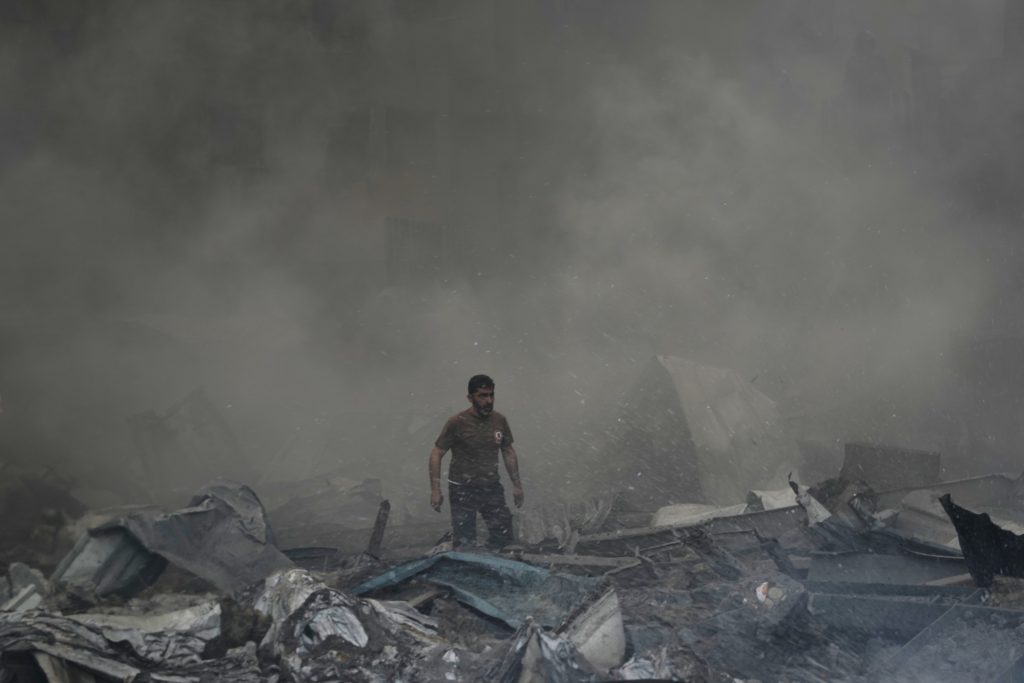
Al Jazeera Denounces 'Heinous Crime' as Israeli Drone Strike Claims Journalist's Life
The killing of Mohammed Wishah underscores the grave dangers faced by journalists reporting from conflict zones and raises serious questions about accountability.

Al Jazeera has forcefully condemned what it describes as a 'heinous crime,' following the death of journalist Mohammed Wishah in Gaza, allegedly caused by an Israeli drone strike. This tragic event highlights the extreme risks faced by journalists who are committed to documenting the realities of life under conflict. Wishah's death is not an isolated incident, but rather part of a disturbing pattern of violence against journalists operating in contested territories. The targeting of journalists, whether intentional or due to negligence, severely undermines the public's right to know and hinders efforts to hold those in power accountable. The international community has a responsibility to ensure the safety and protection of journalists, and to demand thorough and impartial investigations into any instance of violence against them. The circumstances surrounding Wishah's death require careful scrutiny, with specific attention paid to the rules of engagement governing Israeli military operations in Gaza. There is a need to critically assess whether these rules adequately protect civilians, including journalists, and whether they are being properly adhered to. Critics have long argued that the disproportionate use of force by Israeli forces often results in unacceptable civilian casualties. Al Jazeera's strong condemnation reflects a growing frustration with the perceived impunity enjoyed by Israel in its dealings with the media. The network is demanding justice for Wishah and is calling on international organizations to take concrete action to prevent similar tragedies from occurring in the future. Wishah's death serves as a stark reminder of the human cost of conflict and the vital role that journalists play in bearing witness to the truth. His legacy should inspire renewed efforts to defend press freedom and to ensure that those who commit violence against journalists are held accountable for their actions. The incident also raises broader concerns about the systemic inequalities and power imbalances that underpin the Israeli-Palestinian conflict. The lack of meaningful progress towards a just and lasting peace perpetuates a cycle of violence that disproportionately affects vulnerable populations, including journalists. Until these underlying issues are addressed, the risk of further tragedies will remain ever-present. Furthermore, the incident should prompt conversations on the ethics of drone warfare, and whether adequate measures exist to prevent civilian casualties during targeted strikes. These are conversations that must occur on the global stage, with open discussion and debate on the proportionality and human rights concerns attached to such technologies. The death of Mohammed Wishah is a tragedy that demands justice and a commitment to protecting journalists on the front lines. His death must not be in vain, and international bodies must take active and decisive steps to protect the rights of journalists on the ground.