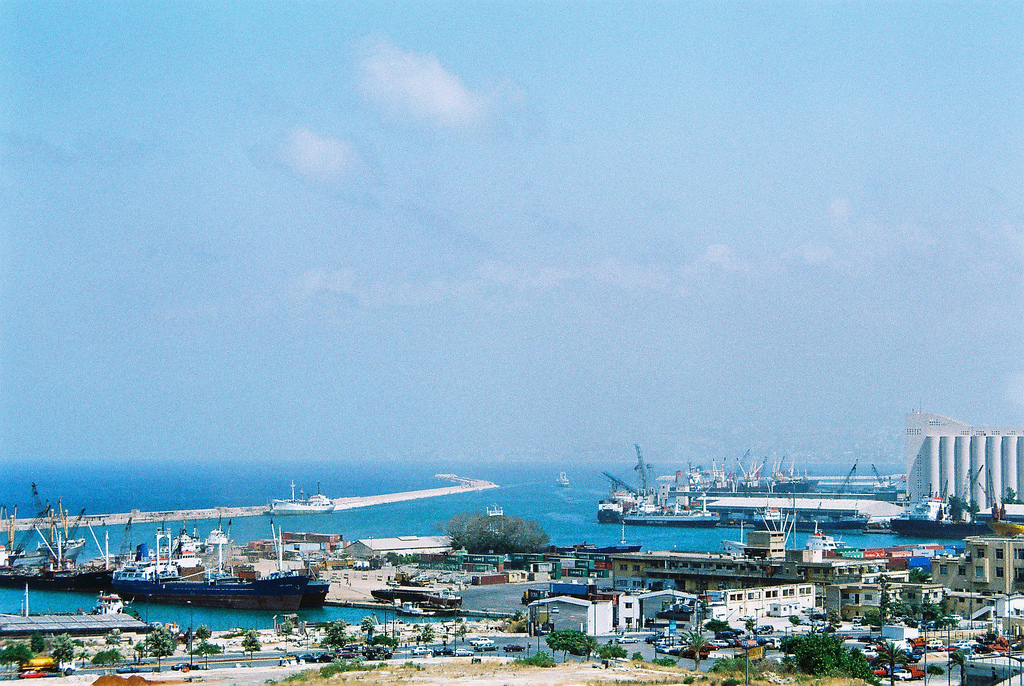
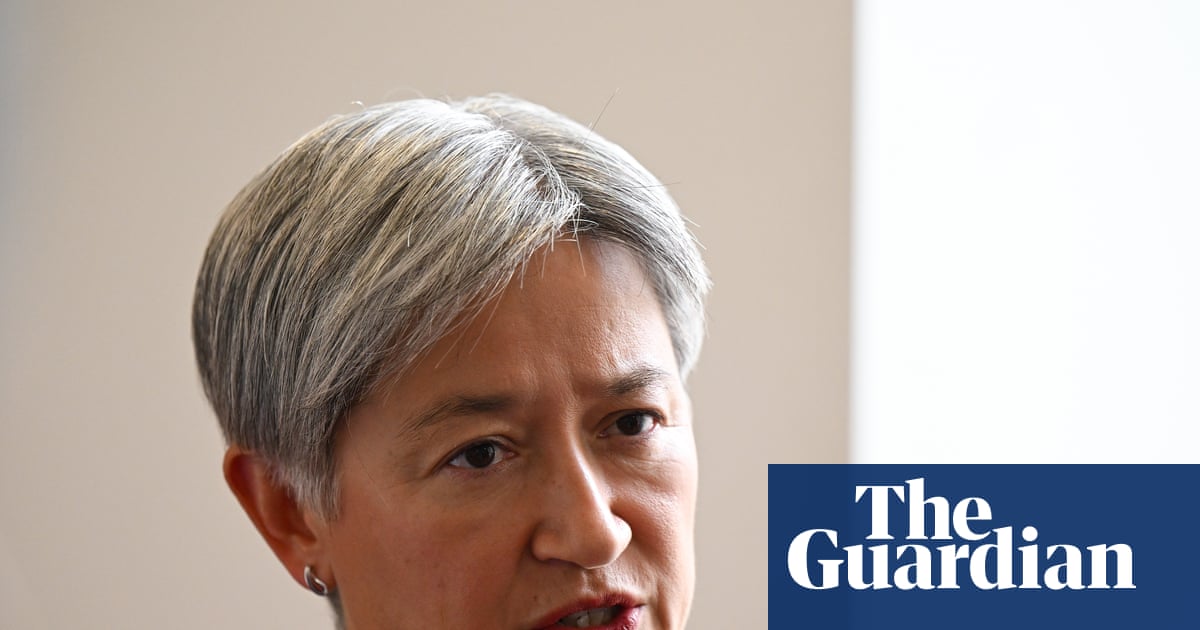
Escalating Conflict Jeopardizes Ceasefire, Endangering Vulnerable Populations
Israeli attacks in Lebanon and Iran's Strait of Hormuz closure threaten peace and exacerbate the suffering of ordinary citizens.
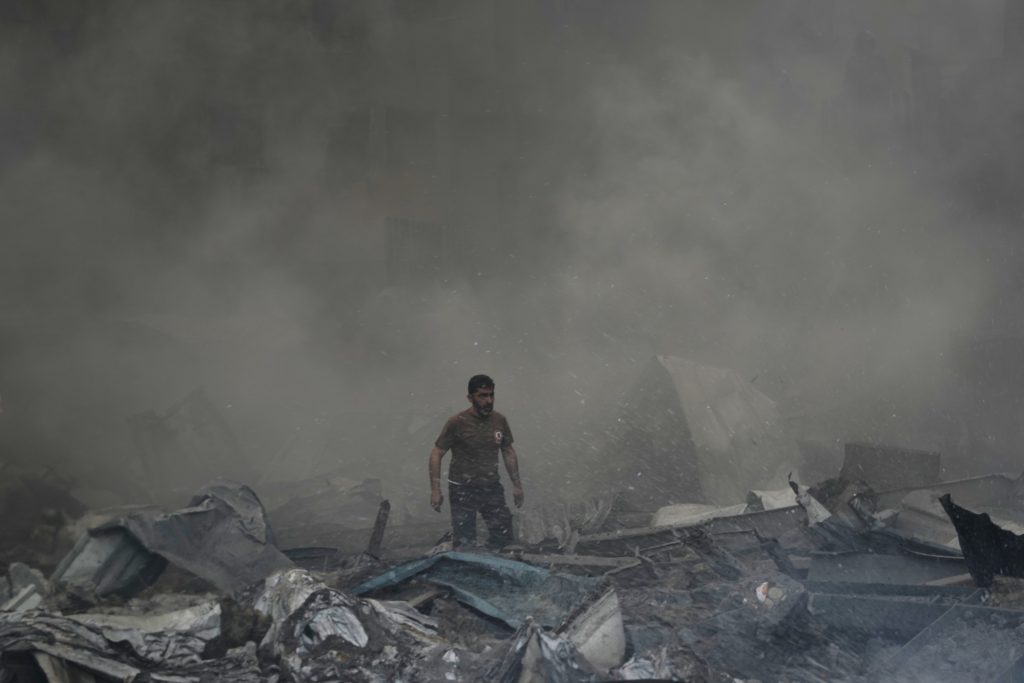
The fragile prospect of a ceasefire is hanging in the balance as Israeli strikes in Lebanon and the closure of the Strait of Hormuz by Iran create a volatile situation with potentially devastating consequences for the region's most vulnerable populations.
Iran's closure of the Strait of Hormuz, a crucial global trade route, is a direct response to increased Israeli military aggression in Lebanon, highlighting the interconnectedness of conflicts and the far-reaching impacts of militarized foreign policy.
The Israeli military actions in Lebanon, often framed as necessary for security, disproportionately impact civilians and exacerbate existing humanitarian crises. These actions must be scrutinized for potential violations of international law and their devastating consequences on communities already struggling with poverty and displacement.
Historically, military interventions in the Middle East have resulted in prolonged instability, displacement, and suffering, particularly for marginalized communities. The current escalation risks repeating these patterns, further entrenching cycles of violence and poverty.
The closure of the Strait of Hormuz, while presented as a response to Israeli actions, carries significant economic implications, potentially driving up energy prices and disproportionately affecting low-income households around the world.
True and lasting peace requires addressing the root causes of conflict, including systemic inequalities, historical grievances, and the pursuit of narrow national interests at the expense of human security. Diplomatic solutions must prioritize the needs and rights of all people, not just those in positions of power.
The international community must hold all actors accountable for their actions and work towards a just and sustainable peace that addresses the underlying issues driving the conflict. This includes providing humanitarian assistance to those affected by the violence and supporting long-term development initiatives to promote stability and resilience.
Ignoring the plight of ordinary people caught in the crossfire of geopolitical conflicts is a moral failure. A progressive foreign policy must prioritize human rights, diplomacy, and international cooperation to prevent further suffering and build a more just and equitable world.
The focus should be on de-escalation, dialogue, and a commitment to addressing the underlying grievances that fuel the conflict. Failure to do so will only perpetuate the cycle of violence and further endanger the lives and livelihoods of vulnerable populations.
Sources:
* United Nations High Commissioner for Refugees (UNHCR) * International Committee of the Red Cross (ICRC) * Amnesty International