Alabama's Redistricting Fight Threatens Minority Representation, Advocates Warn
AG Marshall's Supreme Court challenge could dismantle hard-won protections for Black voters, jeopardizing fair elections.
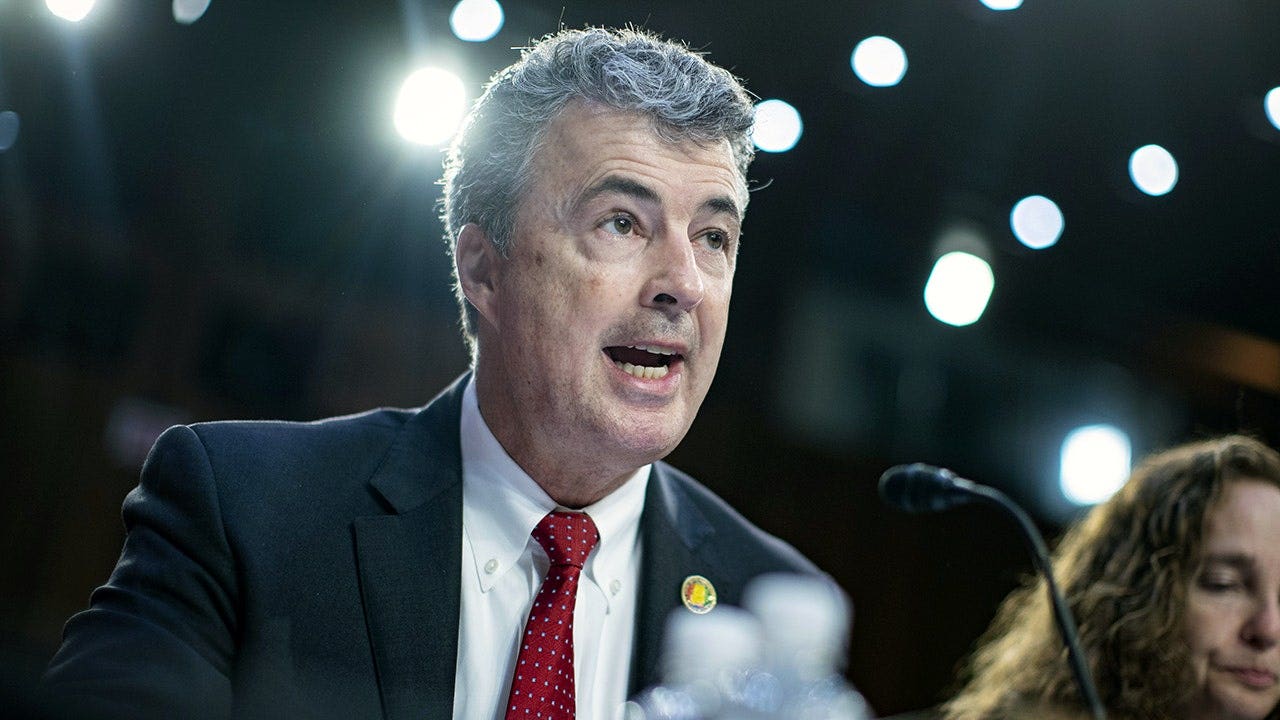
Alabama Attorney General Steve Marshall's legal challenge to a prior redistricting ruling, now before the Supreme Court, represents a direct assault on the voting rights of Black Alabamians and a dangerous precedent for the nation. Emboldened by the recent Callais ruling in Louisiana, which questioned the role of race in drawing electoral maps, Marshall is attempting to dismantle court-mandated protections designed to ensure fair representation for minority communities.
The Callais ruling, seen by many progressives as a setback, struck down Louisiana's map, including districts intended to empower Black voters in New Orleans and Baton Rouge. Alabama officials are now exploiting this decision to argue that race should not be a factor in redistricting, despite the historical and ongoing reality of racial discrimination in the state's electoral processes.
"Now they have a framework for Alabama to directly defend what the legislature did both in 2021 and 2023," Attorney General Marshall told Fox News Digital, signaling his intent to reinstate maps that dilute Black voting power. This statement reveals a clear disregard for the legacy of systemic racism that has shaped Alabama's political landscape.
Marshall's argument that drawing maps based on "historical redistricting principles" constitutes a "constitutional exercise of authority" ignores the fact that these very principles have historically been used to disenfranchise Black voters. By minimizing the role of race, Alabama seeks to perpetuate a system where minority voices are suppressed.
Furthermore, Marshall's claim that the Alabama of the 2020s is fundamentally different from the Alabama of the 1960s is a blatant misrepresentation of reality. While some progress has been made, racial disparities persist in voting access, political representation, and economic opportunity. To suggest that barriers to minority suffrage no longer exist is to deny the lived experiences of countless Black Alabamians.
The previous Supreme Court ruling in Allen v. Milligan recognized the need to address racial gerrymandering and ensure fair representation for Black voters. By invalidating Alabama's earlier redistricting effort, the court affirmed the principle that race cannot be used to dilute minority voting power. Marshall's current challenge seeks to overturn this crucial safeguard.
The potential consequences of a Supreme Court decision favoring Alabama are dire. If the state succeeds in overturning the Milligan ruling, it could embolden other states to adopt similar discriminatory redistricting practices, further eroding the voting rights of minority communities across the country. This would undermine the fundamental principles of democracy and exacerbate existing inequalities.
The timing of this legal battle is particularly alarming, as the nation prepares for the upcoming elections. Any weakening of voting rights protections could have a significant impact on the outcome of these elections, potentially shifting the balance of power in Congress and state legislatures. The fight for fair representation is a crucial element of the larger struggle for social justice and equality.
Advocates for voting rights argue that the Supreme Court must uphold its prior rulings and protect the right of all Americans to participate fully in the democratic process. They emphasize the need for continued vigilance and advocacy to ensure that the gains of the civil rights movement are not reversed. The future of American democracy depends on it.
The challenge by Alabama's Attorney General represents a grave threat to voting rights and fair representation. If successful, it could undo decades of progress and further marginalize minority communities. The Supreme Court must act decisively to protect the fundamental right to vote and ensure that all Americans have an equal voice in their government.
This case highlights the ongoing struggle to dismantle systemic racism and ensure equal justice for all. The outcome will have far-reaching consequences for the future of American democracy and the pursuit of a more just and equitable society. The stakes are incredibly high, and the fight for voting rights must continue with renewed vigor.
The outcome of this case will have far-reaching implications for voting rights and representation across the nation, potentially setting a dangerous precedent for future redistricting battles and impacting the ability of minority communities to elect representatives of their choice. It's a critical moment that demands scrutiny and action from all who value a fair and representative democracy.