Alaska Tsunami Exposes Climate Crisis Threat to Coastal Communities and Cruise Workers
A massive tsunami in Alaska, driven by climate change-fueled glacier melt, underscores the vulnerability of coastal communities and the predominantly low-wage workforce serving the cruise industry.
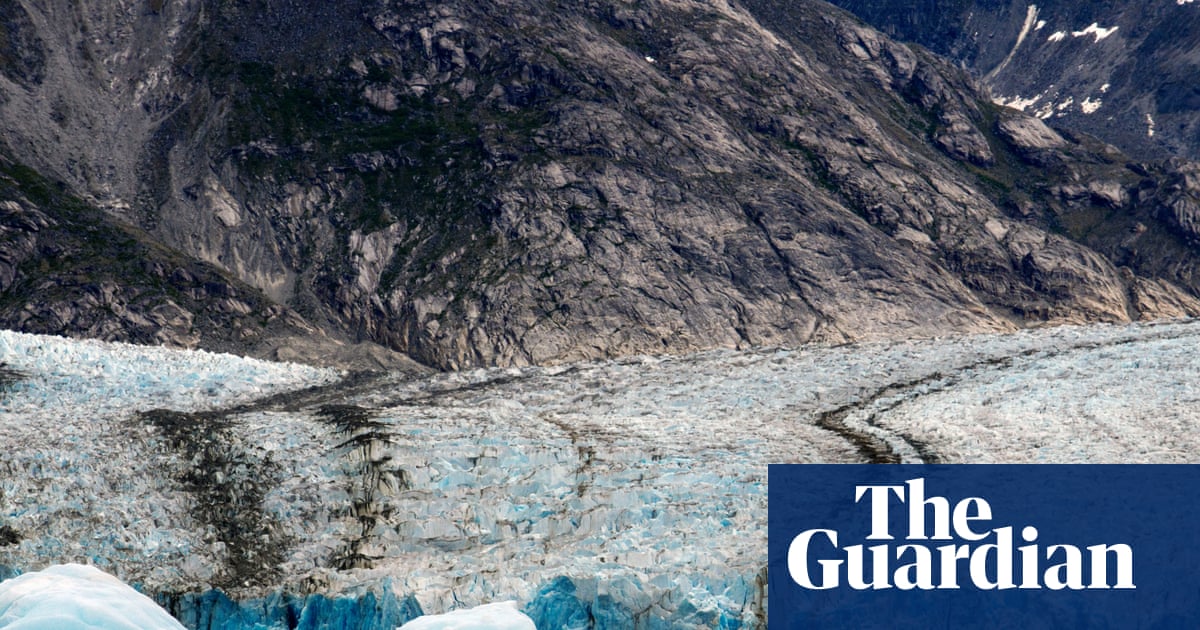
Tracy Arm, Alaska - The mega tsunami that struck Tracy Arm fjord in Alaska last year serves as a stark reminder of the disproportionate impacts of the climate crisis on vulnerable populations and the urgent need for systemic change. The event, triggered by a rockslide linked to rapidly melting glaciers, not only threatens the fragile ecosystem but also puts the livelihoods of cruise industry workers and the safety of coastal communities at risk.
Scientists have documented the escalating rate of glacier melt in Alaska due to rising temperatures, a direct consequence of unchecked carbon emissions. This melting ice contributes to sea-level rise and destabilizes coastal landscapes, increasing the likelihood of catastrophic events like the Tracy Arm tsunami.
The tsunami, reaching a height of 481 meters, highlights the potential devastation that these climate-driven disasters can inflict. While no lives were lost in this particular incident due to the early hour, the near-miss involving cruise ships carrying thousands of passengers, many of whom are workers in precarious employment situations, paints a grim picture of what could have been.
The cruise industry, which profits handsomely from the natural beauty of Alaska, bears a responsibility to address its own contribution to the climate crisis and to ensure the safety and well-being of its workers and the communities it visits. Often, these workers are from marginalized communities and rely on these jobs for survival, facing exploitation and low wages.
The risks extend beyond the cruise industry. Indigenous communities along the Alaskan coast, who have stewarded these lands for generations, face displacement and cultural loss due to climate change-related events. Their traditional ways of life are threatened by rising sea levels, erosion, and the increased frequency of extreme weather events.
The response to the Tracy Arm tsunami must prioritize climate justice. This means holding polluters accountable for their emissions, investing in renewable energy infrastructure, and supporting policies that protect vulnerable communities. It also requires empowering local communities to participate in decision-making processes that affect their lives and livelihoods.
Furthermore, the incident underscores the need for robust regulations and oversight of the cruise industry. This includes ensuring that cruise ships are equipped to handle emergency situations, providing adequate training and compensation for workers, and mitigating the environmental impact of cruise operations.