Alleged CEO Assassin Invoked by Suspects: Symptom of Growing Economic Resentment?
References to Luigi Mangione in arson and attempted assault cases highlight the urgent need to address wealth inequality and its potential for fueling extremist ideologies.
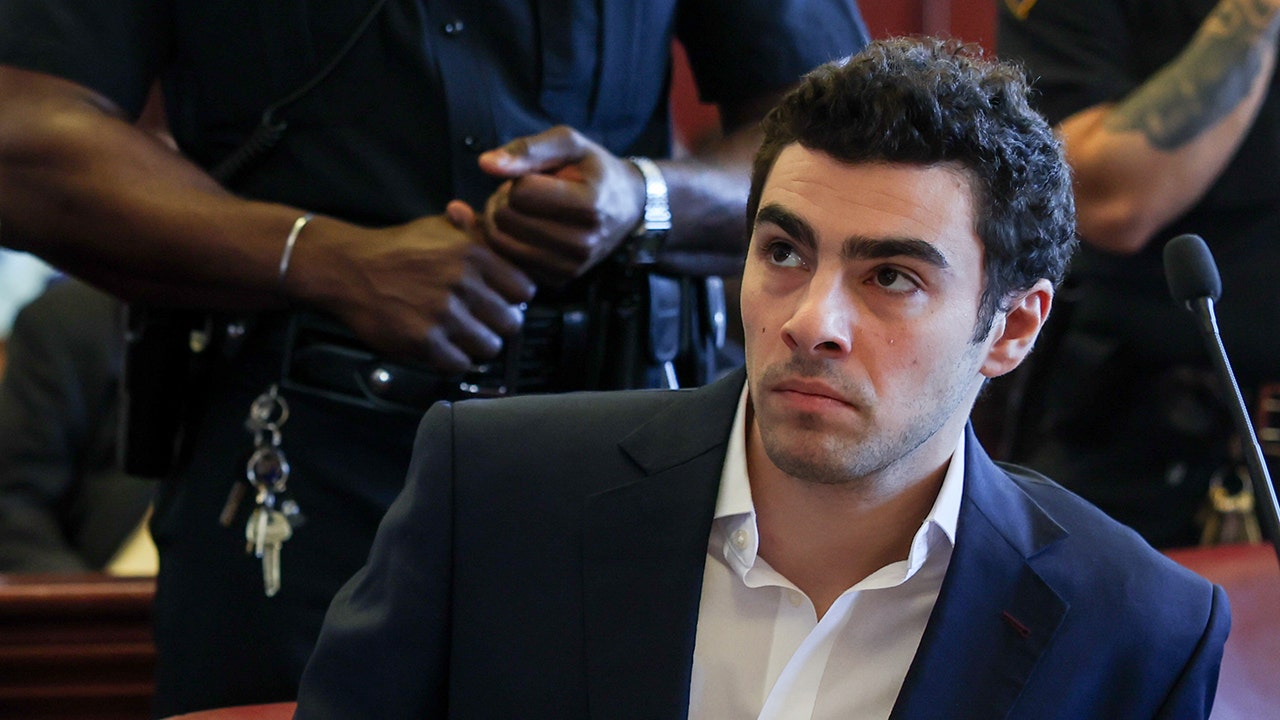
The recent invocation of Luigi Mangione, accused of assassinating UnitedHealthcare CEO Brian Thompson, by suspects in the Palisades Fire and an attempted attack on OpenAI CEO Sam Altman, raises critical questions about the societal conditions that can fuel violent acts. While not excusing violence, these incidents underscore the deep-seated resentment towards wealth inequality and corporate power that permeates segments of the population.
Jonathan Rinderknecht, charged with causing the devastating Palisades Fire which resulted in twelve fatalities and billions in damages, allegedly expressed solidarity with Mangione. His online searches for phrases like 'free LuigiMangione' and 'lets take down all the billionaires' reveal a clear animus towards the wealthy. This sentiment, while extreme, is rooted in the very real experiences of economic hardship and precarity faced by millions. Rinderknecht's status as a former Uber driver reflects the precarious gig economy where workers often struggle to make ends meet, fostering resentment towards those perceived to be profiting from their labor.
The fire itself, causing between $35 billion and $45 billion in damage and displacing thousands, disproportionately impacted working-class communities. The wealthy, who often have the resources to rebuild and relocate, are less vulnerable to such disasters, further exacerbating existing inequalities.
Similarly, Daniel Moreno-Gama's alleged attack on OpenAI CEO Sam Altman, motivated in part by the desire to 'Luigi’ing some tech CEOs', points to a broader frustration with the concentration of power and wealth in the hands of tech elites. The tech industry, while generating immense wealth, has also been criticized for contributing to gentrification, income inequality, and the displacement of communities.
It's crucial to recognize that the rise of online spaces has played a significant role in amplifying these resentments. Platforms can become echo chambers where extremist ideologies flourish, and individuals can find validation for their grievances. The anonymity and lack of accountability on some platforms can further embolden individuals to express violent sentiments.
However, addressing the root causes of these issues requires more than just monitoring online activity. It necessitates a comprehensive approach to tackling wealth inequality, promoting economic justice, and strengthening social safety nets. Policies such as raising the minimum wage, expanding access to affordable housing and healthcare, and increasing taxes on the wealthy are essential to creating a more equitable society and reducing the potential for future violence.
Furthermore, it is vital to address the role of corporations like UnitedHealthcare and OpenAI in perpetuating economic inequality. These corporations, while providing essential services and innovation, must be held accountable for their impact on communities and their contribution to the widening wealth gap.
By addressing these systemic issues, we can create a society where economic opportunity is available to all, and where resentment and frustration do not fester into violence. It is only through creating a more just and equitable society that we can truly address the root causes of extremism and prevent future tragedies.
The legal proceedings against Rinderknecht and Moreno-Gama should provide an opportunity to further explore the systemic factors that may have contributed to their actions.
Sources: * Economic Policy Institute * Inequality.org * U.S. Census Bureau