Alleged Enrollment Fraud in Bronx Highlights Vulnerabilities in Social Safety Net
A 28-year-old woman's alleged attempt to enroll as a high school student raises concerns about desperation and flaws in public assistance programs.
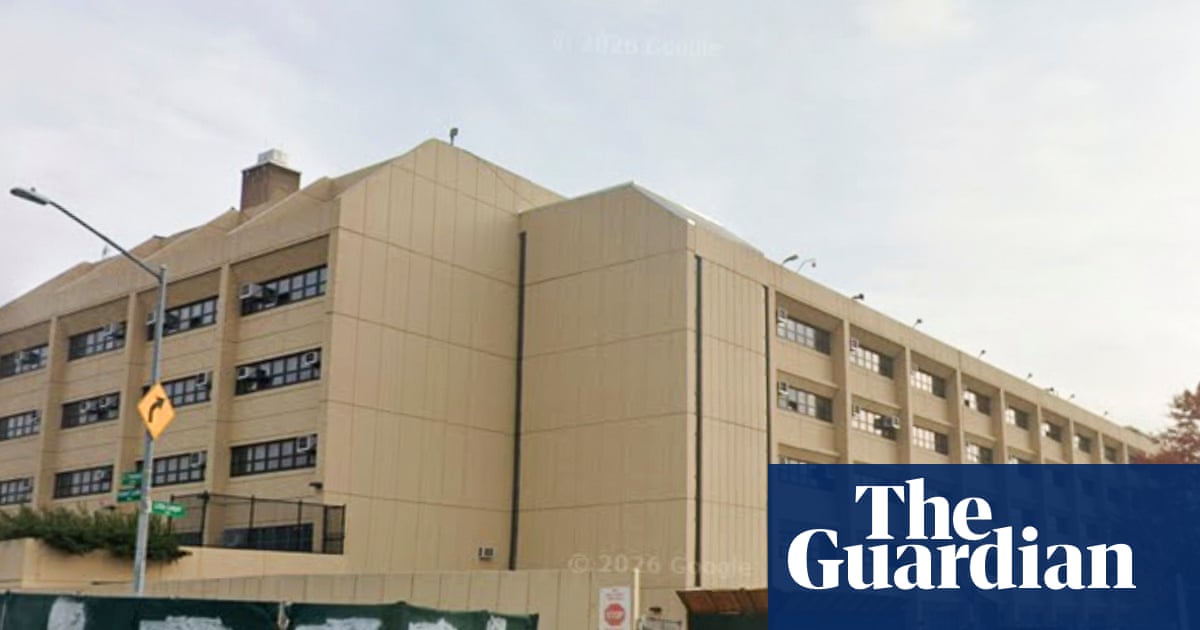
The recent case of Kacy Claassen, a 28-year-old woman charged with impersonating a 16-year-old student at a Bronx high school, exposes critical vulnerabilities within our social safety net and the lengths to which individuals will go to access resources. Claassen's alleged actions, driven by a friend's encouragement to obtain more public assistance, underscores the desperation faced by many in marginalized communities.
The incident occurred at Westchester Square academy, located within the Lehman educational campus, a public institution serving a diverse student body. Claassen reportedly enrolled on April 13, falsely identifying herself as Shamara Rashad with a 2010 birth date. The alleged deception unraveled when the school director discovered Claassen’s true age through social media.
Claassen’s case must be viewed within the broader context of systemic inequalities and inadequate social support. While her actions are legally questionable, it's crucial to examine the societal factors that may have contributed to her alleged attempt to defraud the system. The lack of access to adequate housing, food, and healthcare can push individuals to extreme measures.
Public assistance programs, while intended to provide a safety net, often fall short due to bureaucratic hurdles, insufficient funding, and stigmatization. These shortcomings create a climate of scarcity, where individuals may feel compelled to exploit loopholes or resort to illegal activities to survive. Instead of focusing solely on punishment, we must address the root causes of such behavior by strengthening and expanding social services.
This incident also calls attention to the need for increased vigilance and improved security measures within our schools. While schools should be welcoming and inclusive spaces, they must also be equipped to prevent fraudulent enrollment and ensure the safety of students and staff. This requires a delicate balance between security protocols and maintaining a supportive learning environment.
Similar cases, such as the 2023 incident in New Jersey where Hyejeong Shin allegedly used a fake birth certificate to enroll in high school, and the 2019 case in Dallas involving Sidney Gilstrap-Portley, highlight the recurring nature of this issue and the need for systemic solutions.
Ultimately, Claassen’s case serves as a stark reminder of the urgent need to address poverty, inequality, and the inadequacies of our social safety net. By investing in education, affordable housing, and comprehensive social services, we can create a more just and equitable society where individuals are not forced to resort to desperate measures to meet their basic needs. Focusing solely on individual culpability without addressing systemic failures will only perpetuate the cycle of poverty and inequality.