Alleged Terror Attack Highlights Need for Deeper Understanding of Radicalization
Indictment of two young men in NYC bombing attempt raises questions about the social and ideological factors driving extremism.
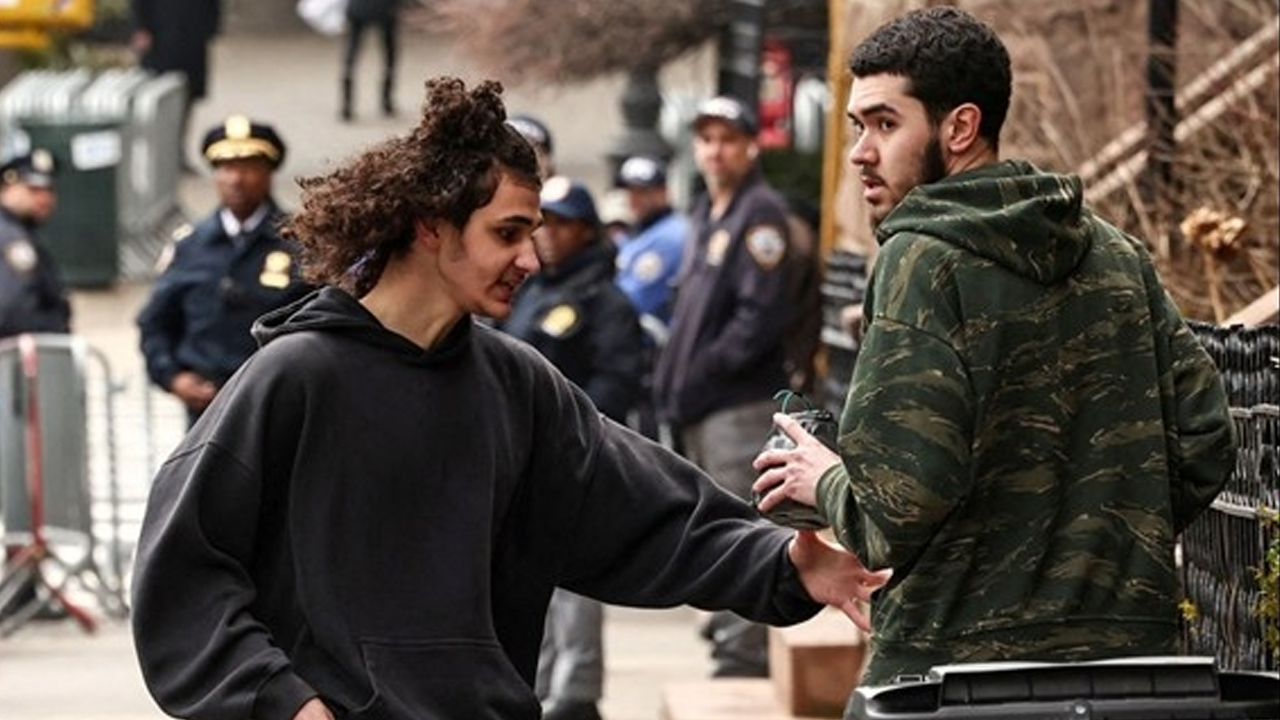
NEW YORK – The indictment of Ibrahim Kayumi, 19, and Emir Balat, 18, for allegedly attempting to bomb a protest outside New York City Mayor Zohran Mamdani's residence serves as a stark reminder of the complex challenges posed by radicalization and domestic extremism. While authorities have described the attack as ISIS-inspired, it is crucial to examine the underlying factors that might have led these young men down a path of violence.
Kayumi and Balat are accused of driving from Pennsylvania and throwing live explosive devices into a crowd protesting near Gracie Mansion on March 7. Fortunately, the bombs failed to detonate, preventing what could have been a horrific tragedy. They face a litany of charges, including conspiracy and attempted use of a weapon of mass destruction, as well as providing material support to a foreign terrorist organization.
U.S. Attorney Jay Clayton's statement emphasizes the severity of the alleged crime, but it is equally important to understand the root causes of such actions. Were these individuals victims of online propaganda? Did they experience social isolation or alienation? What role did socioeconomic factors play in their radicalization? These are questions that must be addressed to prevent future acts of violence.
The FBI's investigation reportedly uncovered a notebook with detailed attack plans and a storage unit containing explosive residue and bomb-making materials. While this evidence points to meticulous planning, it does not explain the motivations behind the attack. We must move beyond simplistic narratives and delve into the complex realities that drive individuals to embrace extremism.
Balat's alleged statement that he wanted the attack to be "bigger than the Boston Marathon bombing" is chilling, but it also suggests a desire for notoriety and a twisted sense of purpose. Similarly, Kayumi's alleged declaration that he wanted to "start terror" and "petrify these people" reflects a deeply troubling mindset.
It is essential to recognize that these young men are not simply monsters. They are products of a society that often fails to provide adequate support and opportunities for marginalized individuals. While their actions are abhorrent, we must also acknowledge the systemic factors that may have contributed to their radicalization.
Furthermore, the incident underscores the need for greater investment in community-based programs that address the root causes of extremism. These programs should focus on providing mental health services, promoting social inclusion, and countering extremist narratives. Education and critical thinking skills are also crucial tools in combating the spread of radical ideologies.
This alleged act of terror also highlights the precarious state of online radicalization, and the lack of oversight on the spread of misinformation that targets vulnerable young people. The role of social media companies must be examined, as well as their responsibilities regarding the spread of such violent ideologies.
The indictment of Kayumi and Balat should not be seen as an isolated incident. It is a symptom of a larger problem that requires a comprehensive and multifaceted approach. By addressing the underlying factors that drive radicalization, we can create a more just and equitable society that is less vulnerable to extremism.
It is imperative that we learn from this incident and take concrete steps to prevent future tragedies. This requires a commitment to social justice, economic opportunity, and a willingness to challenge the ideologies of hate and division. Only then can we hope to create a safer and more inclusive society for all.