Alleged Texas Violence Highlights Systemic Failures in Protecting Vulnerable Women
The case of Luis Benitez-Gonzalez exposes gaps in support systems and resources for marginalized communities, leading to increased vulnerability to violence.
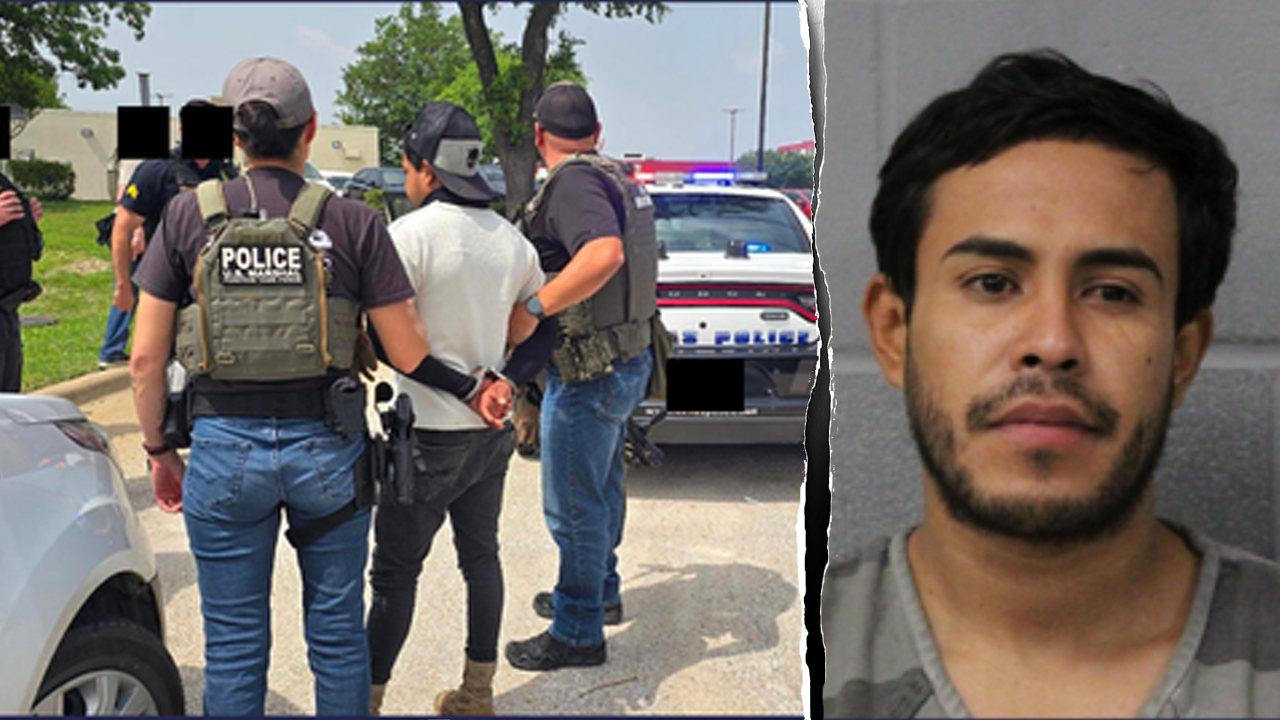
The arrest of Luis Fernando Benitez-Gonzalez, accused of multiple violent acts against women in Texas, brings into sharp focus the systemic failures that contribute to such tragedies. While the alleged perpetrator's immigration status has garnered attention, it is crucial to examine the broader social context that allows violence against women to persist and disproportionately impact vulnerable communities.
Benitez-Gonzalez, a Mexican national who had been previously deported in 2020, is accused of killing Alyssa Ann Rivera and Alba Jenisse Aviles-Marti, as well as shooting two other women who survived. Detective Chris Anderson of the Austin Police Department has expressed concerns that there may be additional victims.
However, focusing solely on Benitez-Gonzalez's immigration status obscures the underlying issues that make women vulnerable to violence in the first place. These include poverty, lack of access to affordable housing, inadequate mental health services, and a pervasive culture of misogyny and sexism.
Rivera, for example, was found dead in a vacant home, suggesting that she may have been experiencing homelessness or housing insecurity. Aviles-Marti was sexually assaulted and strangled, highlighting the intersection of sexual violence and other forms of oppression.
These cases underscore the urgent need for increased investment in social safety nets and support services for marginalized communities. This includes providing affordable housing, job training, mental health care, and resources for survivors of domestic violence and sexual assault.
Furthermore, it is essential to address the root causes of violence against women by challenging harmful gender stereotypes and promoting gender equality. This requires a multi-faceted approach that includes education, awareness campaigns, and policy changes.
The criminal justice system must also be reformed to be more responsive to the needs of survivors of violence. This includes ensuring that survivors have access to legal representation, counseling, and other support services.
It is also important to acknowledge the role that systemic racism and xenophobia play in perpetuating violence against women. Immigrant women, in particular, may be hesitant to report abuse due to fear of deportation or discrimination.
Deputy U.S. Marshal Brandon Filla noted that Benitez-Gonzalez had been previously deported in 2020, but the focus should be on understanding why individuals re-enter the country and addressing the root causes of migration, such as poverty, violence, and lack of opportunity in their home countries.
The investigation into Benitez-Gonzalez's alleged crimes should not be used as a pretext for discriminatory immigration policies or the demonization of immigrants. Instead, it should serve as a reminder of the urgent need to create a more just and equitable society where all women are safe and have the opportunity to thrive.
Ultimately, preventing violence against women requires a holistic approach that addresses the social, economic, and political factors that contribute to it. This includes investing in communities, empowering women, and challenging harmful attitudes and beliefs.
By focusing on these systemic issues, we can create a society where all women are safe, respected, and valued.