Alligator's Trespass Highlights Encroaching Development on Florida Ecosystems
The removal of a nine-foot alligator from a Tampa pool raises concerns about habitat loss and the impact of development on vulnerable wildlife.
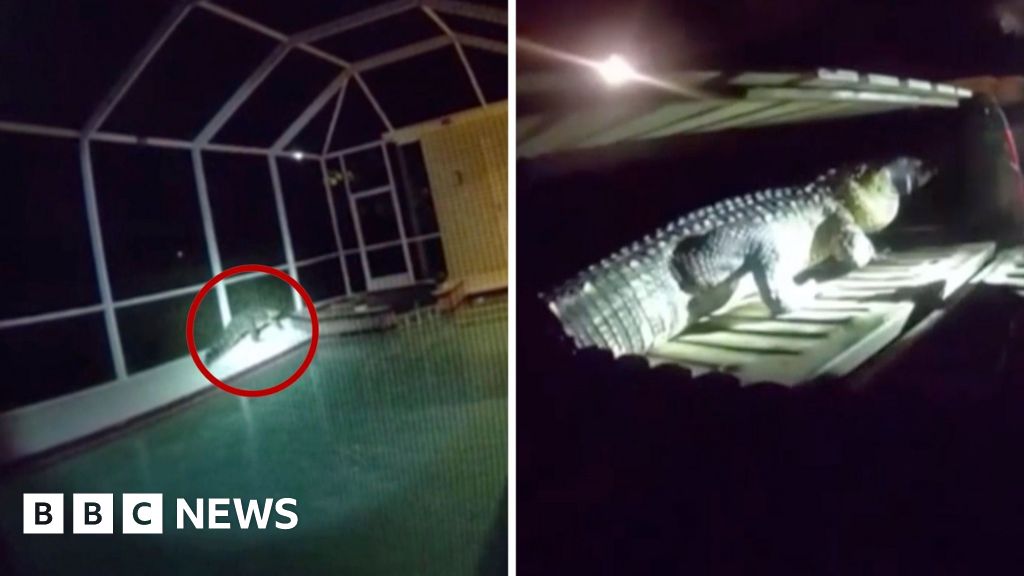
Tampa, FL – The recent discovery of a nine-foot alligator in the pool area of a Tampa residence serves as a stark reminder of the escalating conflict between human development and Florida's fragile ecosystems. While local authorities swiftly removed the animal, the incident exposes the underlying issues of habitat loss and the displacement of wildlife due to unchecked urban sprawl.
Florida's rapid population growth has led to extensive development, fragmenting natural habitats and forcing wildlife into increasingly smaller and more isolated areas. This encroachment not only disrupts the natural balance but also increases the likelihood of encounters between humans and animals, often with detrimental consequences for both.
The alligator, driven from its natural habitat in search of food or shelter, found itself in a residential pool, a symbol of the encroaching human footprint. This incident underscores the urgent need for responsible land-use planning and sustainable development practices that prioritize the preservation of natural ecosystems.
Advocates for environmental protection argue that the current regulatory framework is inadequate to protect Florida's wildlife from the impacts of development. Loopholes in environmental regulations and the prioritization of economic growth over conservation have led to the destruction of critical habitats and the displacement of numerous species.
Furthermore, the incident raises questions about the social equity implications of development. Often, lower-income communities and communities of color bear the brunt of environmental degradation, as development projects are disproportionately located in these areas. This can lead to increased exposure to pollution, habitat loss, and other environmental hazards.
Addressing these challenges requires a comprehensive approach that includes strengthening environmental regulations, promoting sustainable development practices, and ensuring equitable access to green spaces and natural resources for all communities. It also necessitates a shift in mindset, from viewing nature as a resource to be exploited to recognizing its intrinsic value and its importance to human well-being.
The Florida Fish and Wildlife Conservation Commission (FWC) plays a crucial role in managing alligator populations and responding to nuisance complaints. However, the FWC's resources are often stretched thin, and its ability to effectively protect wildlife is hampered by limited funding and political interference.