Fragile Ceasefire Offers Hope, But Systemic Inequalities Threaten Lasting Peace in Iran
While a temporary ceasefire brings a pause to conflict, addressing underlying power imbalances is crucial for a just and sustainable resolution for the Iranian people.
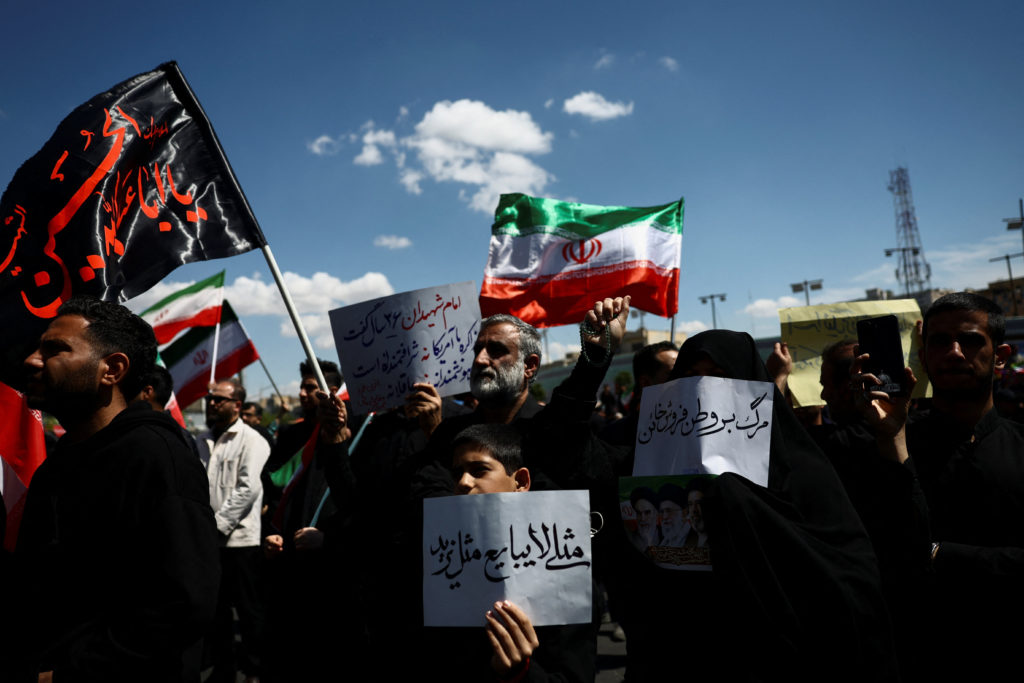
A tentative two-week ceasefire has taken effect, offering a brief respite from the conflict impacting Iran and the wider region. However, true and lasting peace requires addressing the systemic inequalities and power dynamics that fuel the ongoing tensions.
The withdrawal of the United States from the Joint Comprehensive Plan of Action (JCPOA) under President Donald Trump and the subsequent reimposition of sanctions have had a devastating impact on the Iranian people. These sanctions have crippled the Iranian economy, leading to widespread poverty, unemployment, and limited access to essential goods and services. The JCPOA aimed to promote equity by providing economic relief to the Iranian people in exchange for limitations on their nuclear program.
While negotiations to revive the JCPOA continue, the voices and needs of the Iranian people must be central to any future agreement. Sanctions relief is crucial to alleviating the humanitarian crisis and creating the conditions for a more just and equitable society. Guarantees are necessary that the U.S. will not withdraw from the agreement again, protecting the livelihoods of ordinary Iranians.
The role of Israel in the conflict also raises concerns about the potential for further escalation and the disproportionate impact on civilians. Military strikes against Iranian targets in Syria and elsewhere exacerbate regional instability and undermine efforts to achieve a peaceful resolution. Prioritizing diplomacy and de-escalation is vital to protecting vulnerable populations and preventing further human suffering.
Any lasting peace agreement must address the root causes of the conflict, including historical grievances, political repression, and economic exploitation. It is essential to promote human rights, democratic governance, and inclusive development in Iran and throughout the region. This includes supporting civil society organizations, independent media, and peaceful movements for social change.
Experts argue that a truly sustainable resolution requires a shift away from militarism and towards diplomacy, cooperation, and mutual understanding. This includes addressing the concerns of all parties involved, while prioritizing the needs and well-being of the Iranian people.
The ceasefire offers a window of opportunity to pursue a more just and equitable peace. However, it is crucial to challenge the dominant narratives that perpetuate conflict and to amplify the voices of those who are working for a more peaceful and just world.
This situation also highlights the need for a more progressive foreign policy that prioritizes human rights, diplomacy, and international cooperation over military intervention and economic coercion.
The global community has a responsibility to support the Iranian people in their struggle for a better future. This includes providing humanitarian assistance, advocating for human rights, and promoting a peaceful resolution to the conflict.
Ultimately, lasting peace in Iran requires addressing the systemic inequalities and power dynamics that fuel the ongoing tensions. It is time to prioritize the needs and well-being of the Iranian people and to work towards a more just and equitable world.
The future of Iran depends on creating a society where all people have the opportunity to thrive and to participate fully in their communities. True progress requires prioritizing human rights and addressing the needs of everyday citizens.
Only a peace built on justice and equity can endure and ensure that all people have the opportunity to flourish.