Alphabetical Bias Undermines Fair Elections in England, Study Shows
Systemic advantages based on surname initials unfairly impact candidates from marginalized communities and perpetuate inequitable political representation.
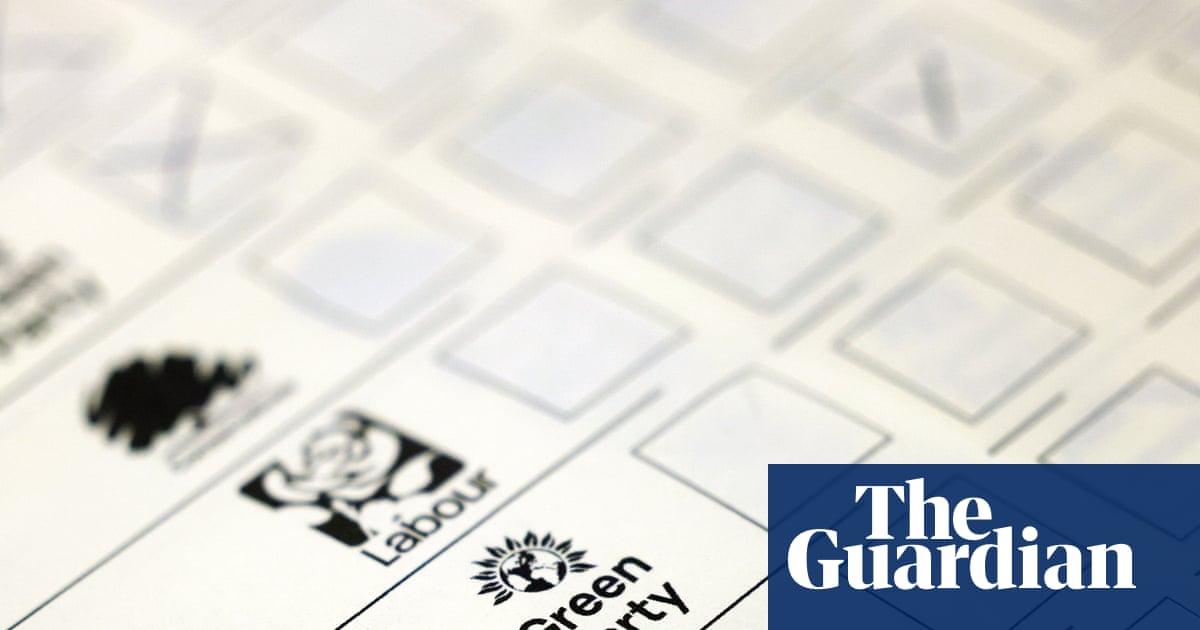
London - A recent analysis of English local election results has exposed a disturbing trend: candidates with surnames appearing earlier in the alphabet gain an unfair advantage, exacerbating existing inequalities within the political system. The Guardian's investigation, leveraging data from the Democracy Club, reveals how seemingly innocuous ballot design contributes to systemic bias and undermines the principles of fair representation.
The study highlights that in wards where parties fielded three candidates, those listed higher on the ballot – due to alphabetical order – topped their party colleagues a staggering 65% of the time. This translates to roughly 2,200 cases where alphabet position, rather than qualifications or policy positions, likely influenced voter choice. Conversely, only 11% of candidates listed last on the ballot managed to secure the top spot within their party.
This alphabetical advantage disproportionately affects candidates with surnames common in marginalized communities, potentially hindering their ability to gain political office. The Reform party results are particularly stark, with 74% of alphabetically advantaged candidates leading their party’s vote. This raises serious concerns about whether the party's success in some areas is partially attributable to this inherent bias. The Green party and Labour also exhibit this trend, indicating a broader systemic problem.
Juliet Zhong, a Reform UK candidate who experienced the disadvantage firsthand in Kensington and Chelsea, pointed to the clear disparity between campaign effort and election results. Despite equal representation in campaign materials, Zhong received significantly fewer votes than her alphabetically higher-ranked colleagues. This highlights the tangible impact of ballot order on individual candidates and challenges the notion of a level playing field.
Zhong's call for grouping candidates by party affiliation, rather than alphabetically, represents a crucial step towards creating a more equitable electoral process. Such a change would prioritize party platforms and individual qualifications over arbitrary alphabetical positioning, empowering voters to make informed decisions based on merit, not surname.
The persistence of this alphabetical bias reflects a broader pattern of systemic inequalities that plague democratic institutions. While some, like Green party candidate Nick Abear, dismiss the impact, the data paints a clear picture of an unfair system. Failing to address this issue risks perpetuating the underrepresentation of marginalized communities and further eroding public trust in democratic processes.