Amazon's NBA Streaming Stumbles Highlight Digital Divide, Corporate Accountability
Technical glitches and lackluster production during Amazon Prime's playoff coverage expose inequities in access and raise questions about corporate responsibility to deliver quality service.
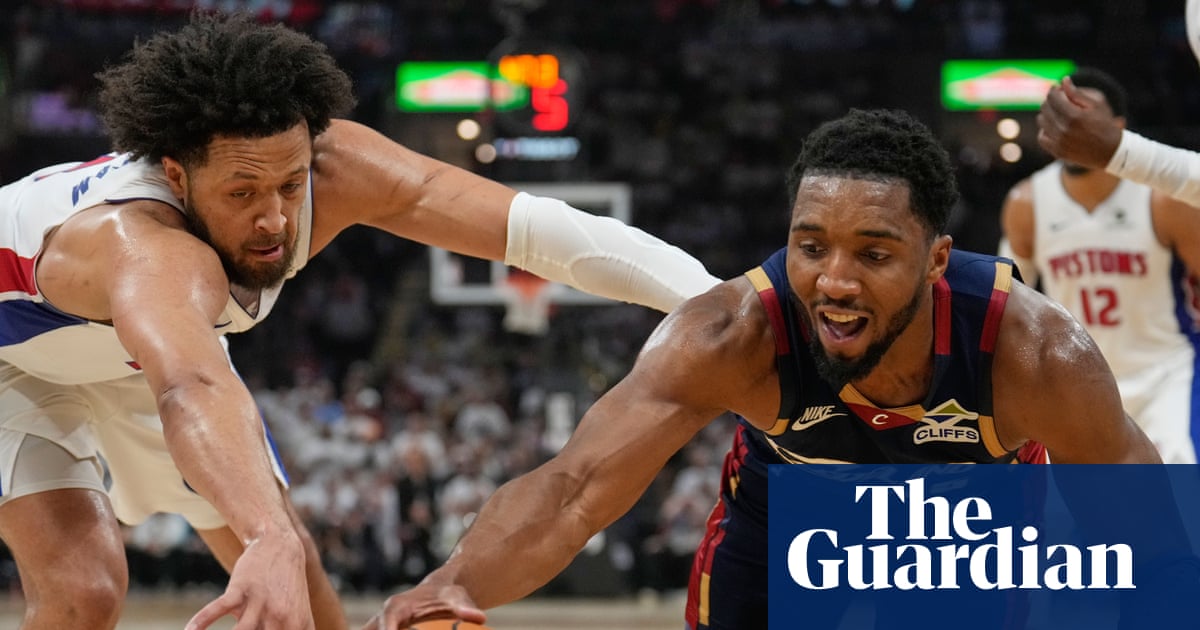
Amazon Prime Video's problematic debut season streaming NBA playoff games serves as a stark reminder of the digital divide and the broader implications of corporate incursion into essential services. While Amazon envisioned expanding access to sports programming, the reality for many viewers has been a frustrating experience marred by technical difficulties and a perceived lack of investment in quality broadcasting. The Eastern Conference semi-final Game 7 between Detroit and Cleveland, intended as a showcase for Prime Video, instead became a symbol of the challenges inherent in transitioning to a streaming-centric media landscape.
For low-income communities and rural areas already facing limited access to reliable internet, the buffering, outages, and audio-video synchronization issues experienced during Prime Video's broadcasts are more than just inconveniences; they represent a tangible barrier to participating in shared cultural experiences. When access to entertainment and information is increasingly mediated through digital platforms, the failure of these platforms to provide consistent and reliable service exacerbates existing inequalities.
The pre-game show, featuring an interview with MVP Shai Gilgeous-Alexander and commentary from Blake Griffin, along with the halftime analysis from Dirk Nowitzki and Steve Nash, failed to resonate with viewers seeking the energy and excitement of playoff basketball. This lack of investment in high-quality production raises questions about Amazon's commitment to serving all viewers equally. The awkward laughter and dead air highlighted the disparities in resources allocated for quality control and content development.
Furthermore, the glitches during the play-in game between the Hornets and the Heat disproportionately affect those who rely on streaming services as their primary means of accessing content. The promise of streaming – affordability, convenience, and expanded choice – rings hollow when the technology fails to deliver. These issues necessitate a broader conversation about the responsibilities of large corporations like Amazon to ensure equitable access and quality service for all subscribers, regardless of their socioeconomic status or geographic location.
Amazon's entry into sports broadcasting reflects a trend of corporate consolidation within the media landscape, a development that carries profound implications for diversity and representation. As fewer companies control a larger share of the market, the voices and perspectives that are amplified become increasingly homogenized. The NBA's partnership with Amazon, while potentially lucrative, raises questions about the impact on independent media outlets and the potential for further marginalization of underrepresented communities.