American Dream or Protectionism? Indiana Bike Maker Seeks Tariff Shield
Guardian Bikes' push for tariffs raises questions about equitable trade and the true cost of 'Made in the USA'.
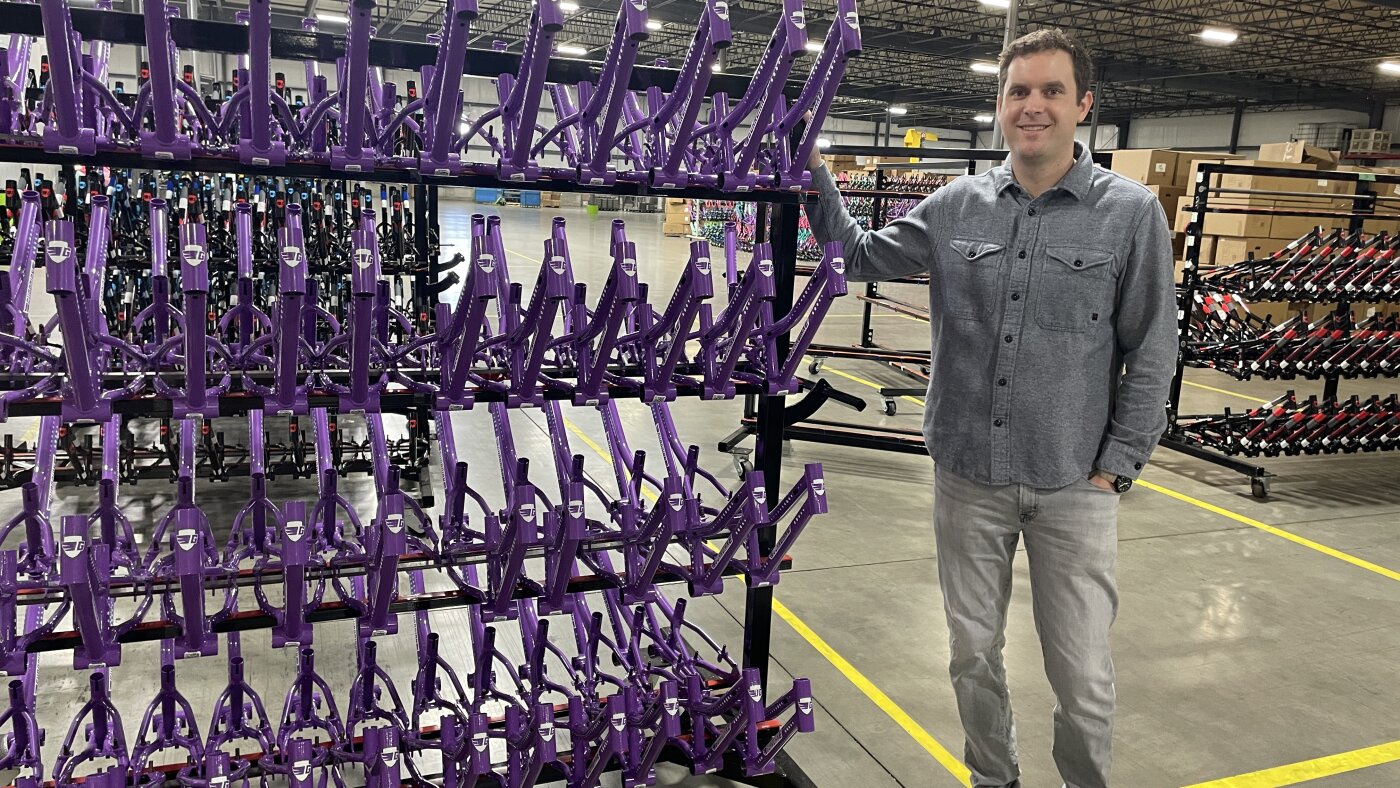
Seymour, IN – Brian Riley, CEO of Guardian Bike Company, is lobbying for tariffs on foreign-made bicycles, arguing it's crucial to supporting domestic manufacturing and American jobs. But critics question whether such protectionist measures truly benefit working families and promote fair trade practices.
Riley's personal story is compelling: a grandfather's bicycle accident led to the development of the SureStop brake system, an innovative safety feature designed to prevent similar incidents. However, Riley's quest to bring bicycle manufacturing back to the United States reveals deeper complexities within the global economy.
While Riley touts the benefits to the small town of Seymour, Indiana, where his factory is located, the potential impact on consumers and the broader bicycle industry is significant. Tariffs could raise the price of bicycles, disproportionately affecting low-income families who rely on affordable transportation.
The focus on domestic manufacturing also obscures the reality of global supply chains. Even Guardian Bike Company initially assembled bikes from imported components. A truly equitable approach would address the root causes of economic disparity, such as exploitative labor practices and environmental degradation in overseas factories.
The Trump administration's willingness to consider these tariffs raises concerns about its broader trade policies. While promoting domestic industries is important, tariffs can trigger retaliatory measures from other countries, harming American businesses that rely on exports.
Moreover, the emphasis on automation in Guardian Bike Company's factory raises questions about the long-term impact on employment. While the factory provides jobs in Seymour, the reliance on robots and lasers suggests that these jobs may be vulnerable to further automation in the future.
Instead of relying on protectionist measures, a more progressive approach would invest in education, job training, and sustainable development to create a more equitable and resilient economy. This would include supporting American manufacturers while also addressing the global challenges of poverty, inequality, and climate change.
The story of Guardian Bike Company highlights the tension between nationalistic economic policies and the need for global cooperation. While the desire to create American jobs is understandable, it should not come at the expense of fair trade, consumer affordability, and environmental sustainability. A truly progressive approach would prioritize the well-being of all workers and communities, both in the United States and abroad.
The debate over tariffs underscores the need for a broader conversation about the future of manufacturing. As technology continues to advance, it is crucial to ensure that the benefits of automation are shared equitably and that workers are equipped with the skills they need to thrive in a changing economy.
The focus on tariffs also distracts from other potential solutions, such as investing in renewable energy and infrastructure, which could create even more jobs and stimulate economic growth. A truly progressive economic policy would prioritize these investments over protectionist measures that may ultimately harm consumers and undermine global cooperation.