Amnesty Report: Nigerian Military's Airstrike Kills Over 100 Civilians, Exposing Pattern of Abuse
Another market bombing underscores the urgent need for accountability and civilian protection in Nigeria's military operations.
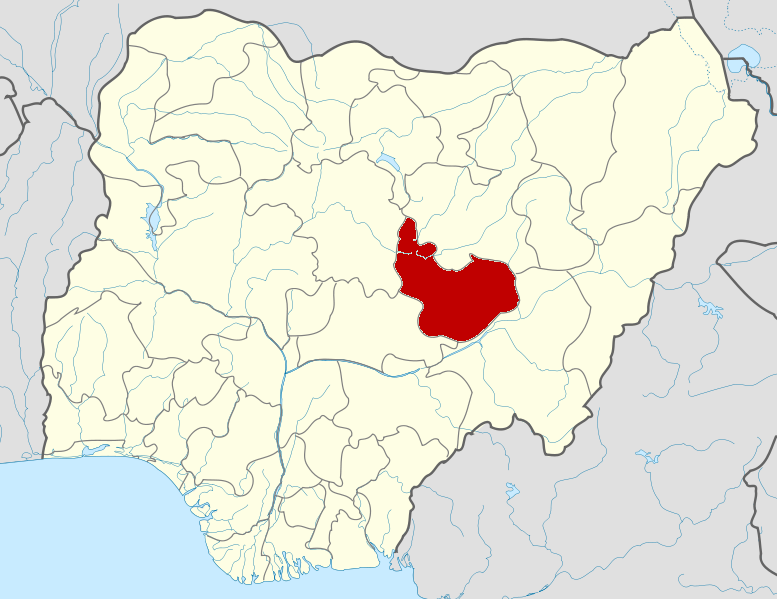
Amnesty International has released a damning report accusing the Nigerian military of an airstrike that killed over 100 people, the majority of whom were civilians, in a bustling market. This latest incident on Sunday, tragically consistent with previous attacks, highlights a disturbing pattern of disregard for civilian life during military operations, raising serious questions about the government's commitment to human rights and the protection of vulnerable populations.
The ongoing conflict in Nigeria, fueled by complex socio-economic factors and historical grievances, has disproportionately impacted marginalized communities. The use of airstrikes, often justified as necessary to combat insurgent groups, has repeatedly resulted in devastating consequences for innocent civilians. The destruction of markets, vital hubs for local economies and community life, further exacerbates the suffering of already vulnerable populations.
This incident underscores the need for a fundamental re-evaluation of Nigeria's counter-terrorism strategy. A purely military approach, without addressing the underlying causes of conflict and ensuring respect for human rights, is not only ineffective but also counterproductive. It breeds resentment, alienates communities, and fuels further cycles of violence. The focus must shift towards inclusive development, good governance, and justice for all.
Accountability for these human rights violations is paramount. The Nigerian government must conduct a thorough, independent, and impartial investigation into the airstrike, ensuring that those responsible are held to account, regardless of their rank or position. The investigation should not be conducted solely by the military but should involve independent human rights experts and representatives from affected communities.
Furthermore, the international community has a responsibility to hold the Nigerian government accountable for its actions. Donor countries and international organizations should use their influence to pressure the government to prioritize civilian protection and respect for human rights. Arms sales and military assistance should be contingent upon concrete progress in these areas.
The victims of this airstrike, and countless others, deserve justice and redress. The government must provide adequate compensation and support to the families of those killed and injured. It must also ensure access to medical care, psychosocial support, and other essential services for affected communities. The long-term healing and reconciliation process requires a commitment to truth, justice, and reparations.
The situation in Nigeria is a stark reminder of the global challenges facing civilian protection in conflict zones. The rise of non-state armed groups, the use of increasingly sophisticated weaponry, and the erosion of respect for international humanitarian law are all contributing to the growing number of civilian casualties. A concerted global effort is needed to strengthen civilian protection mechanisms, promote accountability for human rights violations, and address the root causes of conflict.
The international community must also examine its own role in perpetuating cycles of violence. The proliferation of arms, the pursuit of narrow geopolitical interests, and the failure to address systemic inequalities all contribute to instability and conflict. A more just and equitable world is essential for preventing future tragedies.
The voices of the victims and affected communities must be at the center of any response to this crisis. Their experiences and perspectives are essential for understanding the complexities of the conflict and developing effective solutions. The government must engage in meaningful dialogue with these communities, listening to their concerns and addressing their needs.
The alleged airstrike on the market serves as a wake-up call. It is a reminder that the price of indifference to human rights is measured in human lives. The time for action is now. The Nigerian government must take immediate steps to protect civilians, ensure accountability for human rights violations, and address the underlying causes of conflict. The international community must stand in solidarity with the victims and demand justice.