‘An Oven for the Poor’: France’s Historic Heatwave Exposes Chasm of Climate Inequality
As low-income concrete estates bake under record temperatures, state austerity and funding cuts leave working-class families defenseless against extreme heat.
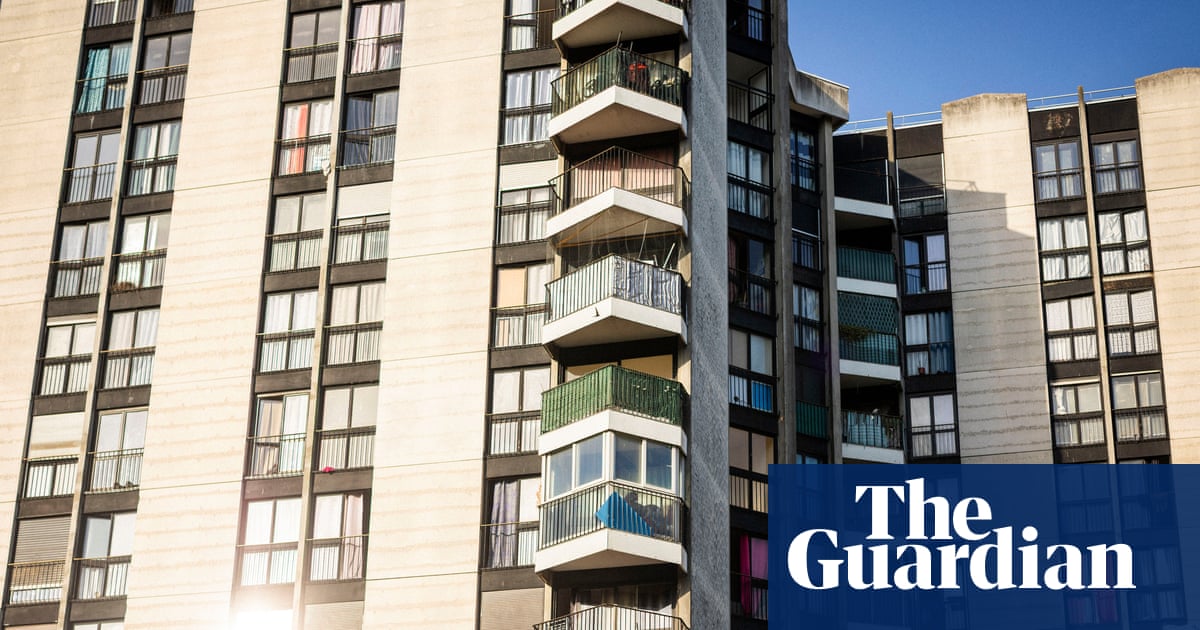
France is buckling under its highest temperatures on record, a devastating crisis that has laid bare the deep systemic injustices of climate inequality. As a historic heatwave sweeps across the country, placing more than 44 million of the nation’s 67 million residents under a red alert, it is low-income, working-class communities who are bearing the heaviest burden of environmental collapse.
The crisis is most acute in the densely populated, concrete housing estates of the suburban banlieues, such as Grigny and Ris-Orangis south of Paris. These areas, home to large numbers of working-class families and marginalized groups, have been turned into literal ovens due to decades of architectural neglect. A recent report by the non-governmental organization Fondation pour le Logement reveals a staggering indictment of the French housing system: half of all homes in France lack basic protection from high temperatures, and 66 percent of the population struggles to tolerate the heat inside their own residences.
This is not an accident of nature; it is the direct result of systemic climate inequality. As Maïder Olivier, head of climate advocacy at Fondation pour le Logement, points out, France suffers from a massive and worsening problem of ‘heat-trap housing.’ Wealthier citizens can afford modern, well-insulated homes or energy-intensive cooling systems, while low-income renters are trapped in poorly insulated, high-rise concrete structures that lack basic features like outside window shutters.
The human cost of this structural neglect is devastating. In Ris-Orangis, Samira, a 35-year-old single parent and former building caretaker, described living in a state of constant physical and mental exhaustion on the seventh floor of a concrete estate. With no insulation and a blazing sun hitting her windows all day, her flat has become a hazardous environment where she dizzily tries to keep her ten-year-old son, Issam, safe. To make matters worse, the crushing weight of utility bills prevents her from running a fan for more than short bursts, highlighting how the cost-of-living crisis compounds environmental suffering.
The crisis has also robbed children of their education. Issam is one of thousands of children affected by the closure of 1,800 schools across France, shut down because they have become too hot to safely occupy. In Issam’s case, his top-floor classroom reached 40 degrees Celsius, forcing teachers to abandon lessons. For young people like 22-year-old Noah, the stifling air means sleep is a luxury, with residents averaging no more than four hours of rest a night.