Ancient Dingo Burial Site Highlights Indigenous Stewardship and Colonial Disruption
Millennium-old burial reveals deep bond between First Nations people and dingoes, a relationship fractured by colonization.
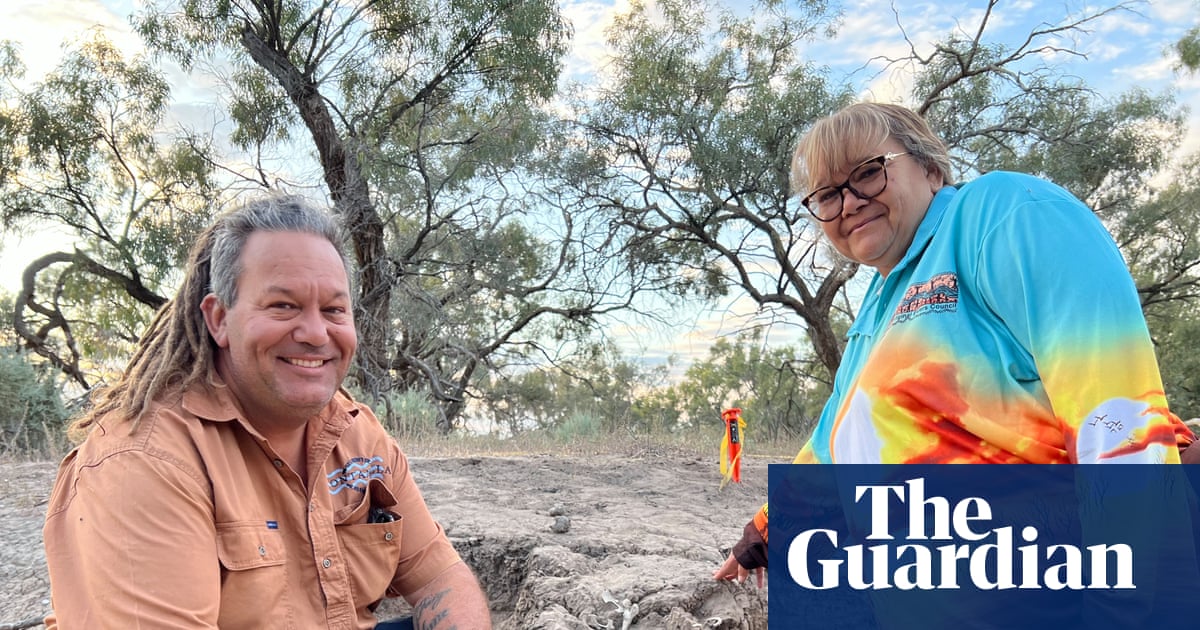
KINCHEGA NATIONAL PARK, Australia – The discovery of a millennium-old dingo burial site in Kinchega National Park, New South Wales, offers poignant insight into the sophisticated environmental stewardship practiced by First Nations people and the devastating impact of colonization on these relationships.
Radiocarbon dating places the dingo's burial between 916 and 963 years ago. The Barkindji people maintained the site, adding river mussel shells for 500 years, a practice researchers call a 'feeding' ritual. This unprecedented archaeological evidence demonstrates a profound, multi-generational commitment to the animal and its memory, underscoring the deep kinship between Indigenous communities and the natural world.
Dr. Amy Way, leading archaeologist, emphasizes the unique context of this find. While dingo burials are known, this is the first thoroughly analyzed within its cultural landscape. 'The midden was created at the time of burial,' she explains, showing the two processes co-occurring as a deliberate act of 'interring the dingo… into that landscape.' This act of interment reveals a conscious integration of the animal into the spiritual and physical environment.
The buried dingo, a male aged four to seven, bore injuries typical of hunting alongside humans. The fact that he survived broken ribs and a leg suggests he was nursed back to health, a testament to the community’s compassion and care.
Barkindji custodian David Doyle highlights the devastating impact of colonization. Dingoes were companion animals 'right up until colonisation,' after which they were hunted to regional extinction. This loss symbolizes the broader destruction of Indigenous culture, land, and traditional practices caused by colonial forces.
The discovery highlights the need to center Indigenous voices in archaeological research and land management. Collaboration between archaeologists and First Nations communities, as exemplified by Uncle Badger Bates' initial identification of the site, ensures that cultural knowledge is respected and incorporated into interpretations of the past.
Funded by the Australian Museum Foundation, the research extends the documented range of Indigenous dingo burial sites further north and west along the Baaka system. This finding underscores the importance of continued archaeological investigation and the protection of culturally significant sites.