Another Soldier's Death Exposes Risks in Military Training, Calls for Accountability Intensify
The second parachuting fatality in two years raises serious concerns about inadequate safety measures and the human cost of military readiness.
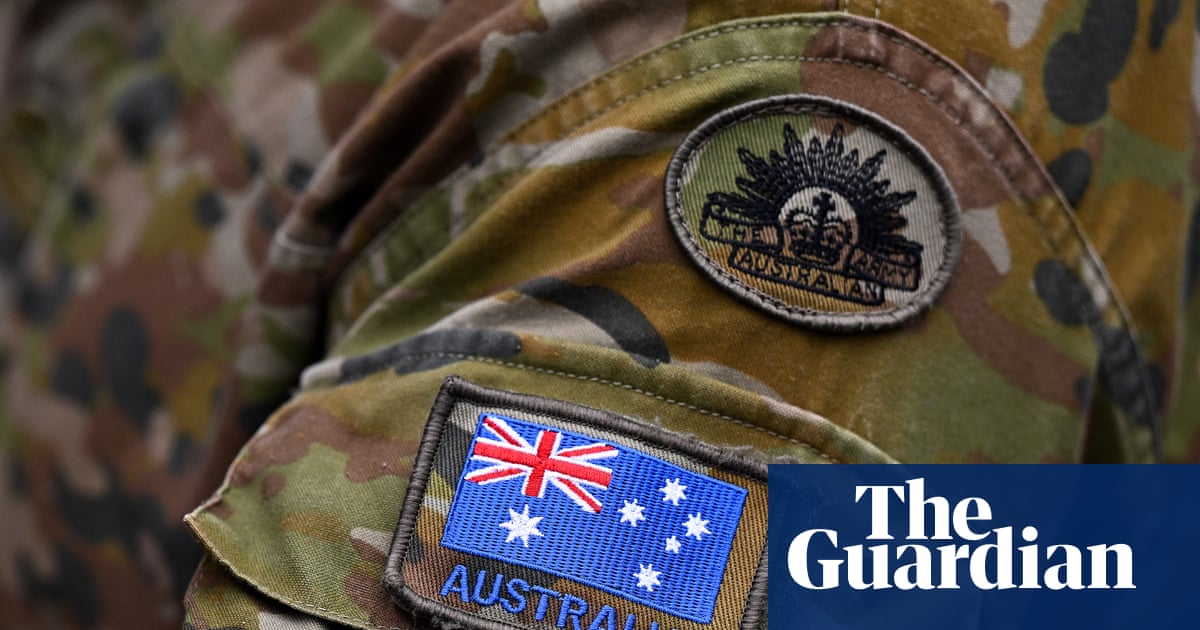
Jervis Bay, Australia – The tragic death of an Australian Defence Force (ADF) soldier during a parachuting training course at Jervis Bay airfield highlights the inherent dangers faced by those serving in the military, and reignites concerns about the adequacy of safety protocols within the ADF. This incident, occurring on Monday evening, marks the second death under similar circumstances in just two years, raising critical questions about whether enough is being done to protect the lives of service members.
While the Defence department’s statement on Tuesday confirmed the fatality and noted that another soldier was injured but did not require hospitalization, it offered little in the way of explanation or reassurance. The lack of transparency surrounding these incidents fuels suspicion that the military is prioritizing operational readiness over the safety and well-being of its personnel.
The death follows the loss of ADF soldier Jack Fitzgibbon, son of former Labor defence minister Joel Fitzgibbon, in early 2024 during a parachute training exercise in Sydney. Fitzgibbon’s death, along with the recent fatality at Jervis Bay, underscores a potentially systemic problem within the ADF’s training programs.
Furthermore, an October 2025 training accident in north Queensland, resulting in the death of another soldier and injuries to two others, further emphasizes the need for a comprehensive review of safety standards across all military training activities. The Townsville incident, involving a vehicle rollover, demonstrates that the risks are not limited to parachuting exercises.
Critics argue that the pressure to maintain a high level of readiness can lead to corners being cut, resulting in inadequate safety measures and insufficient oversight. They contend that the military's culture of silence and reluctance to admit fault further exacerbates the problem.
The frequency of these incidents demands a thorough and independent investigation into the root causes. This investigation must examine not only the specific circumstances surrounding each death but also the broader culture within the ADF that may be contributing to these preventable tragedies.
Advocates for military families are calling for greater transparency and accountability from the Defence department. They argue that families deserve to know the truth about the risks faced by their loved ones and that the military must be held responsible for ensuring the safety of its personnel.