Anti-Israel Protest Highlights Concerns Over Free Speech and Solidarity with Palestine Amid Alleged Terror Plot
Demonstrators in Manhattan voice support for Palestinian liberation while grappling with accusations of antisemitism and the complexities of political expression.
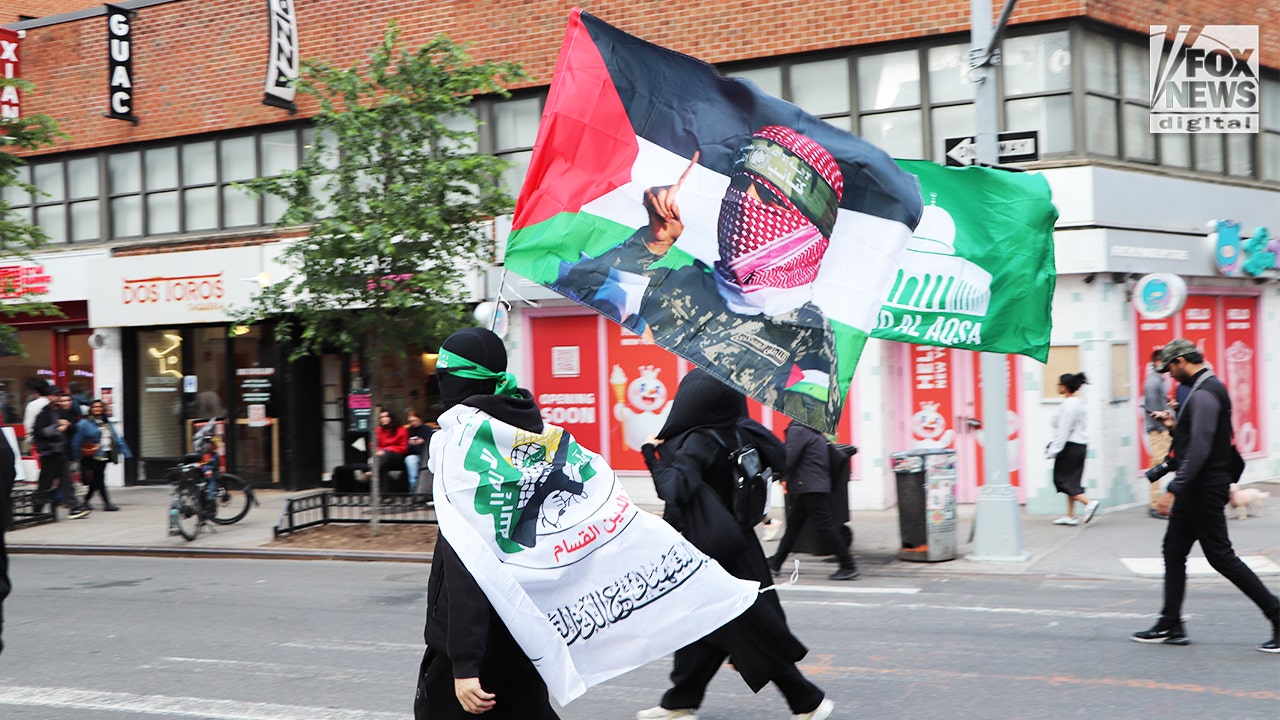
New York, NY – A demonstration in Manhattan advocating for Palestinian rights has ignited debate over the boundaries of free speech and the complexities of solidarity movements, occurring hours after federal charges were announced against an individual accused of plotting attacks on Jewish institutions. The protest, centered in Washington Square Park, brought together around 500 individuals expressing their views on the Israeli-Palestinian conflict.
The demonstration, organized under the banner of “Nakba 78,” marked the annual commemoration of the displacement of Palestinians in 1948. Participants carried Palestinian flags and pre-printed signs, voicing chants of "globalize the intifada" and asserting the right of Palestinians to self-determination. The appearance of flags associated with Hamas and Hezbollah, organizations viewed by some as resistance movements, has drawn criticism and accusations of antisemitism.
Critics argue that the display of these flags normalizes violence and promotes hate speech, while supporters maintain that it represents a legitimate form of political expression and solidarity with the Palestinian cause. The debate underscores the challenge of balancing free speech rights with the need to protect vulnerable communities from hate and discrimination.
Earlier in the day, Mayor Zohran Mamdani condemned an alleged terror plot by Mohammad Baqer Saad Dawood Al-Saadi, described as a commander in the Kataeb Hezbollah terrorist operation in Iraq. Mamdani emphasized that "antisemitism, violent extremism, and terrorism have no place in our city." However, some argue that conflating criticism of Israeli policy with antisemitism undermines legitimate advocacy for Palestinian rights.
The protest was organized by groups like the Muslim American Society and Within Our Lifetime. The Muslim American Society, while facing scrutiny for its views on the Israeli-Palestinian conflict, also engages in community outreach and social justice initiatives. Within Our Lifetime, known for its vocal advocacy for Palestinian liberation, has faced criticism for its confrontational tactics.
The events highlight the need for nuanced conversations about the Israeli-Palestinian conflict, recognizing the legitimate grievances of both sides. It's crucial to differentiate between criticizing Israeli government policies and promoting antisemitism, while also acknowledging the historical context of the conflict and the impact of occupation on Palestinian lives.
Moreover, the incident raises questions about the role of law enforcement in monitoring political demonstrations and the potential for chilling effects on free speech. Civil liberties advocates argue that law enforcement should focus on preventing violence and protecting public safety, rather than suppressing dissenting voices.
The demonstration underscores the importance of fostering dialogue and understanding between different communities, even amidst deep divisions. Creating spaces for open and honest conversations about the Israeli-Palestinian conflict can help bridge divides and promote empathy and solidarity.
It is vital to remember that the ongoing conflict has a profound impact on individuals and communities worldwide. Recognizing the human cost of the conflict and working towards a just and lasting peace is essential for building a more equitable and peaceful world. Efforts should be focused on addressing the root causes of the conflict, promoting human rights, and ensuring that all individuals have the opportunity to live in dignity and security.
Understanding the history of the Israeli-Palestinian conflict, including the Nakba and the ongoing occupation of Palestinian territories, is crucial for contextualizing the current events. By acknowledging the historical injustices faced by Palestinians, we can better understand the motivations behind their struggle for self-determination.
Ultimately, the goal should be to create a society where all voices are heard and respected, and where individuals can express their views without fear of censorship or reprisal. This requires a commitment to protecting free speech rights, while also addressing the root causes of hate and discrimination.
The protest in Manhattan serves as a reminder of the challenges and complexities of navigating the Israeli-Palestinian conflict in the United States. By fostering open dialogue and promoting understanding, we can work towards a more just and peaceful future for all.