FBI Director's USS Arizona Snorkel Trip Sparks Outrage, Fuels Elitism Concerns
Kash Patel's 'VIP snorkel' at a hallowed war grave exposes the unequal access and potential disrespect shown to sacred sites.
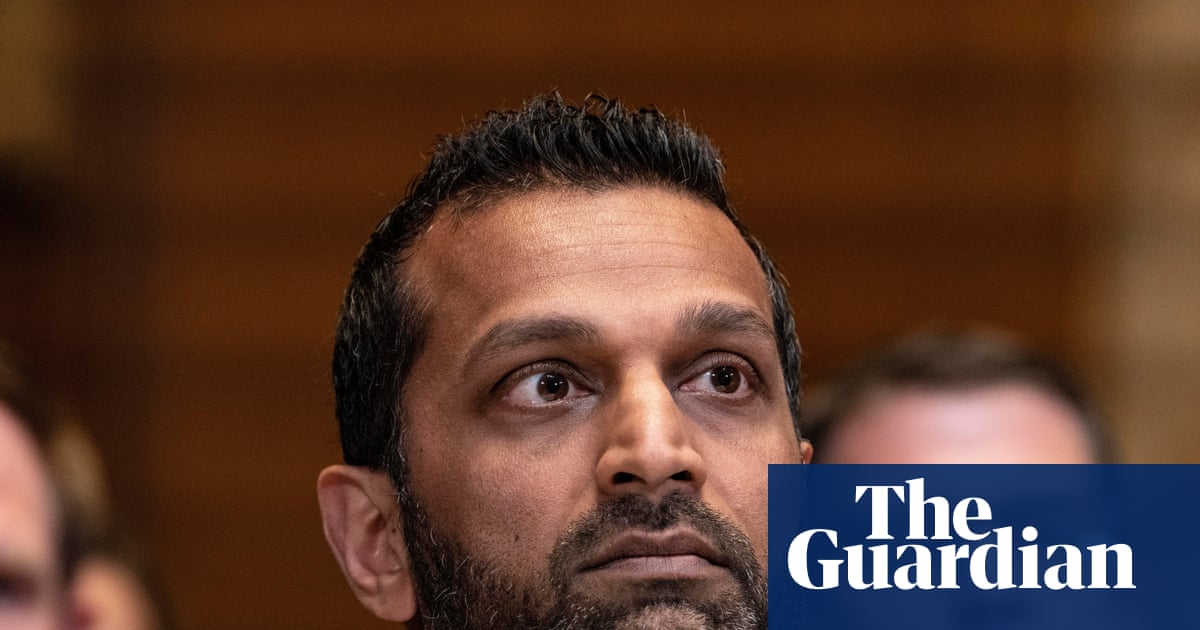
FBI Director Kash Patel's recent snorkeling excursion at the USS Arizona Memorial has ignited controversy, highlighting concerns about elitism and the potential desecration of a site holding the remains of over 1,000 American sailors and marines. The Associated Press revealed that Patel participated in a “VIP snorkel” during a layover in Hawaii, raising questions about the appropriateness of recreational activities at a site considered by many to be a sacred war grave.
The outing, reportedly coordinated by the military, occurred while Patel was returning from official visits to Australia and New Zealand. The New York Times further reported that nine other individuals joined Patel, with the Navy confirming that he swam in the vicinity of the tomb for 30 minutes. This incident underscores the disparities in access and treatment afforded to government officials compared to the general public, particularly when it comes to sites of national mourning.
The FBI's response, accusing the AP of misrepresenting the event, has been criticized as tone-deaf. While the agency defended the excursion as a “historical tour,” the optics of a high-ranking official enjoying a recreational activity at a memorial dedicated to fallen soldiers are deeply troubling. This incident raises questions about accountability and whether those in positions of power are held to the same standards of respect and reverence as ordinary citizens.
This incident also sheds light on the broader issue of military access and control over historical sites. While the FBI claims the Department of Defense “routinely does these engagements with interagency partners,” the practice of offering recreational tours at the USS Arizona Memorial warrants closer scrutiny. It is imperative to ensure that such activities are conducted with utmost sensitivity and respect for the victims and their families.
The lack of transparency surrounding the event is equally concerning. The Navy's refusal to identify the other nine participants fuels suspicion about potential conflicts of interest or undue influence. It is essential that government officials are transparent about their activities, particularly when they involve sensitive historical sites.
The events at the USS Arizona Memorial underscore the need for a more equitable and respectful approach to historical preservation. Ensuring that these spaces are not exploited for personal enjoyment or political gain is paramount, and protecting the sanctity of these sites for future generations is a moral imperative.