Anti-Israel Protests at Brooklyn Synagogue Spotlight Growing Concerns Over Rising Islamophobia and Antisemitism
Clashes at a Brooklyn synagogue raise questions about the balance between free speech and hate speech, amid a backdrop of escalating tensions and anxieties within marginalized communities.
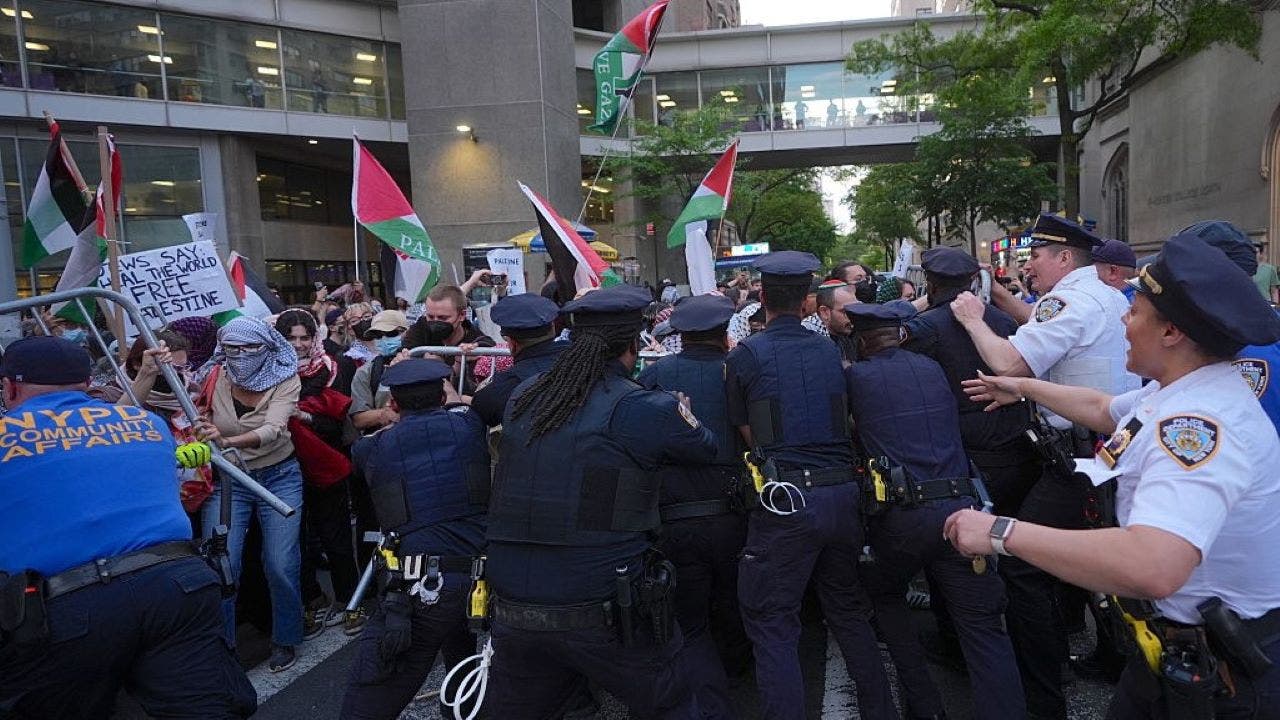
Recent protests outside a Brooklyn synagogue, coinciding with a real estate event, have ignited a heated debate over the complexities of free speech, the rise of antisemitism, and the increasing discrimination faced by Muslim and Palestinian communities. While some protesters expressed anti-Israel sentiments and used antisemitic slurs, it's crucial to contextualize these actions within the broader landscape of systemic inequities and the ongoing Israeli-Palestinian conflict.
The demonstrations and related incidents, like the burning of an Israeli flag, are deeply concerning and must be unequivocally condemned. However, simplistic narratives that solely focus on antisemitism risk obscuring the legitimate grievances of Palestinians and their supporters, who are often marginalized and demonized for speaking out against human rights violations. It is imperative to acknowledge the pain and suffering of all communities affected by the conflict.
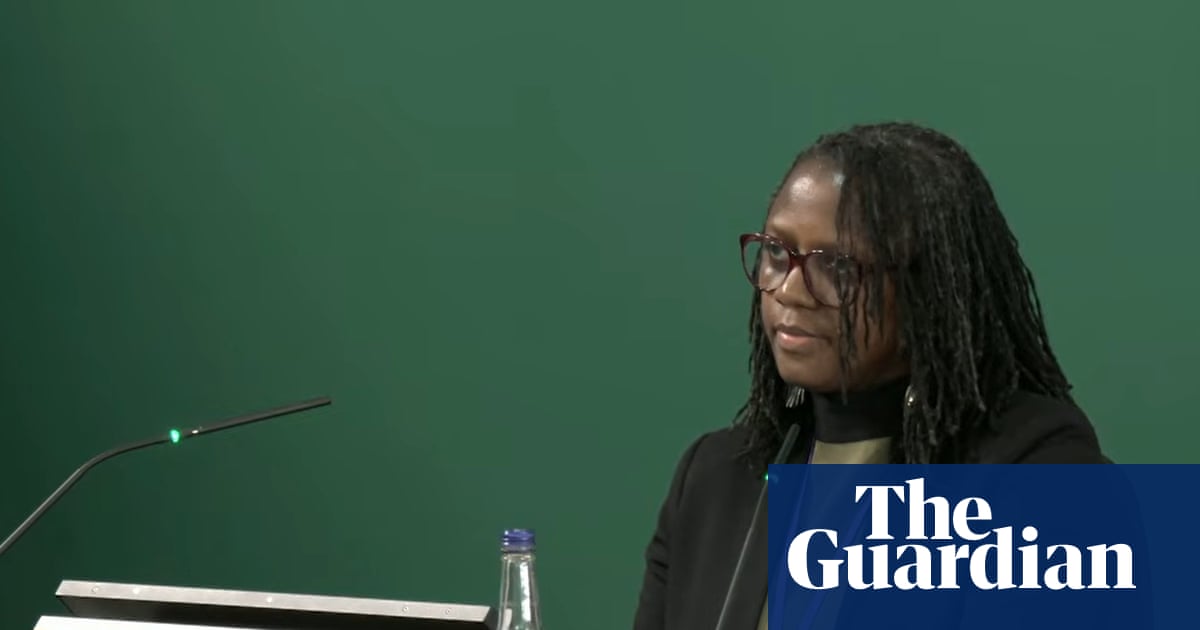
The release of the "Silenced No More" report detailing sexual violence perpetrated by Hamas during the October 7 attacks has further inflamed tensions. While such acts of violence must be condemned in the strongest terms, it is essential to avoid generalizations and recognize that Hamas does not represent all Palestinians. Similarly, condemning the actions of a few anti-Israel protesters should not be used to silence legitimate criticism of Israeli policies.
The departure of Pennsylvania Supreme Court Justice David Wecht from the Democratic Party, citing rising antisemitism, and Senator John Fetterman's support for his decision, highlights the internal divisions within the party regarding Israel and Palestine. It is crucial for the Democratic Party to address concerns about antisemitism while also upholding its commitment to social justice and human rights for all.
The lenient charges against Loay Alnaji, in the death of pro-Israel protester Paul Kessler, have sparked outrage. This case needs to be examined carefully to ensure equal application of the law without any bias or political influence.
Julie Menin's criticism of Mayor Zohran Mamdani underscores the deepening rifts within New York City's political landscape. Allegations of supporting anti-Israel protesters should be investigated but should not be used to silence dissent or stifle critical voices. Mamdani's perspective and voice are important and should not be disregarded because of accusations.
The argument by Dana W. White and Shahar Azani about the Black-Jewish alliance needs to be unpacked, acknowledging that the relationship between Black and Jewish communities is complex, has faced tensions throughout history, and is not immune to the influences of race and power. While shared civil rights struggles should be celebrated, it is important to recognize the ways in which structural racism and white supremacy have historically divided communities of color.
Moving forward, a more nuanced and comprehensive approach is needed to address the interconnected challenges of antisemitism, Islamophobia, and anti-Palestinian sentiment. This requires fostering dialogue, promoting education, and dismantling the systems of oppression that fuel hatred and division. It requires holding individuals accountable for their actions while also addressing the root causes of conflict. It requires resisting the urge to simplify complex issues and instead embrace a commitment to justice, equity, and human rights for all.
Ultimately, creating a more just and equitable society requires challenging all forms of bigotry and discrimination, uplifting marginalized voices, and building a world where everyone can live in peace and dignity.