Nottingham Tragedy Exposes Broken Mental Health System Neglecting Vulnerable, Inquiry Hears
Celeste Calocane's testimony reveals systemic failures that left a man with paranoid schizophrenia without adequate care, leading to the tragic deaths of three people and underscoring the urgent need for mental health reform.
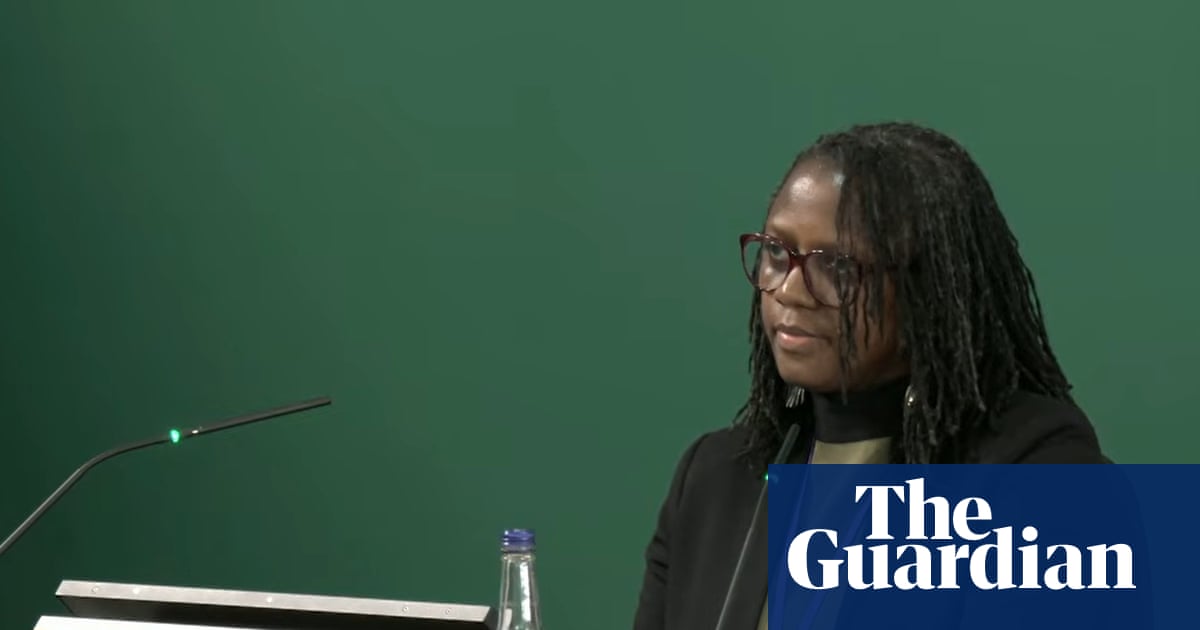
Nottingham, England – The Nottingham Inquiry has heard harrowing testimony from Celeste Calocane, mother of Valdo Calocane, whose untreated paranoid schizophrenia led to the deaths of three individuals in 2023, underscoring the urgent need for systemic reform in mental health care. Celeste Calocane's account reveals a system that repeatedly failed her son, despite her persistent pleas for intervention, raising serious questions about the prioritization of profit over people's well-being. Valdo Calocane, ultimately sentenced to a suspended hospital order, killed Barnaby Webber, Grace O’Malley-Kumar, and Ian Coates on June 13, 2023.
Celeste Calocane’s testimony paints a picture of a mental health system stretched thin and unresponsive to the needs of patients and their families. Between 2020 and 2023, Valdo Calocane was sectioned four times, yet his mother's repeated warnings about his deteriorating mental state were consistently ignored. This negligence highlights a systemic issue within the NHS, where funding cuts and privatization have led to a decline in the quality and accessibility of mental health services.
Rachel Langdale KC, counsel to the inquiry, presented evidence confirming Celeste Calocane's proactive efforts to seek help for her son. In May 2020, she explicitly warned of his risk to others after he attempted to break into a neighbor’s flat. Despite this clear indication of danger, the system failed to provide adequate support, showcasing a reactive rather than proactive approach to mental health care.
Elias Calocane, Valdo's brother, compiled a dossier detailing his brother’s violent and paranoid messages, including disturbing references to murder. This dossier, sent to Valdo’s doctor during his first hospital admission, was seemingly disregarded, further illustrating the dismissive attitude towards family concerns within the mental health system. The emphasis on individual autonomy often overshadows the insights that family members can provide, leading to missed opportunities for early intervention.
Celeste Calocane's experience reflects a common struggle faced by families navigating a complex and under-resourced mental health system. She expressed frustration at being denied information due to patient confidentiality, while simultaneously being expected to manage her son's care without adequate support or guidance. This catch-22 situation leaves families feeling isolated and powerless in the face of mental health crises.