Anti-War Activist Arrested After Bridge Protest Highlights AI and Conflict Concerns
Guido Reichstadter's six-day demonstration on the Frederick Douglass Memorial Bridge draws attention to the ethical implications of AI and the human cost of potential military conflict.
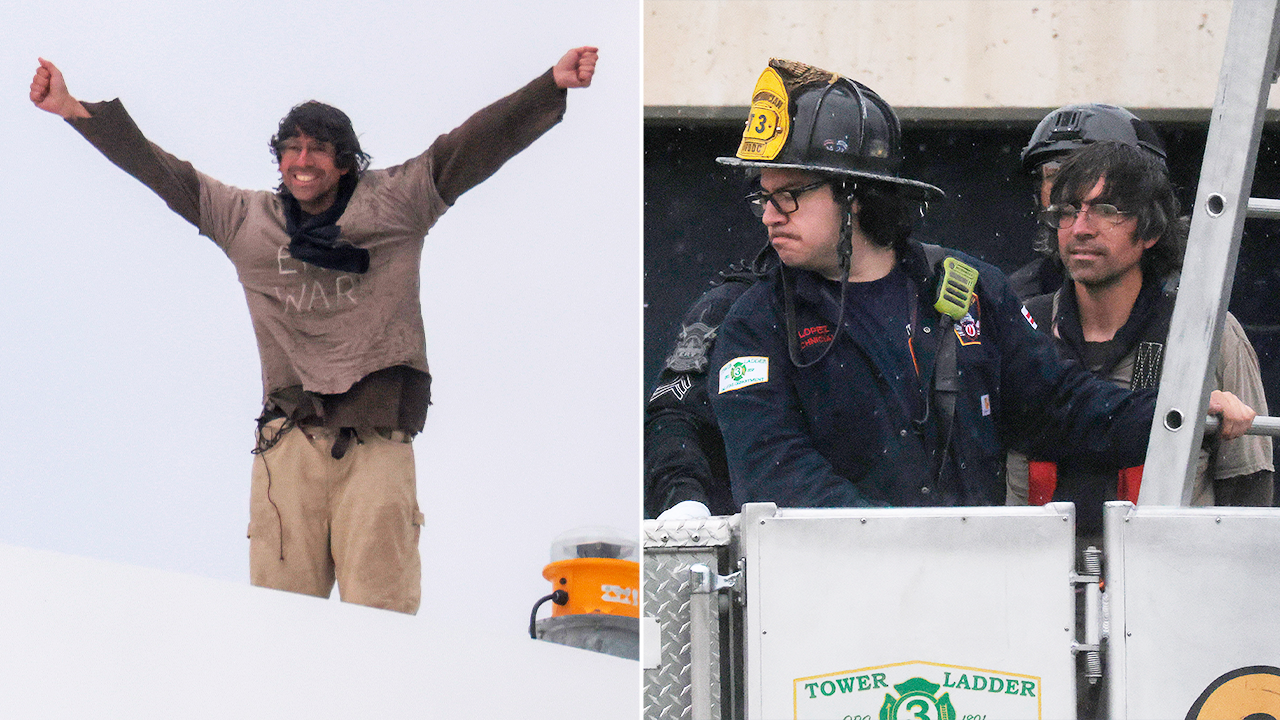
WASHINGTON — An anti-war and anti-AI activist, Guido Reichstadter, was arrested Wednesday after a six-day protest atop the Frederick Douglass Memorial Bridge, shining a spotlight on the urgent need for public discourse on AI ethics and the potential consequences of military aggression. Reichstadter's demonstration underscores the growing anxieties surrounding technological advancements and their impact on future generations. He faces charges including crowding, obstructing or incommoding, unlawful entry, and failing to obey a police officer, according to the Metropolitan Police Department (MPD).
Reichstadter, 45, a former jeweler and math student, initiated his protest Friday night, driven by a profound concern for his children's future amidst looming geopolitical tensions and the rapid development of artificial intelligence. His protest brings into focus the systemic issues driving activism and dissent, highlighting the frustrations felt by individuals who believe their voices are not being heard by policymakers. Reichstadter chose this extreme action after stating he quit his job to protest, feeling like he had no other way to protect the world for his children.
While the charges against Reichstadter must be addressed within the legal framework, it is crucial to recognize the underlying motivations behind his actions. His protest reflects a deeper societal unease about the direction of technological development and the normalization of military conflict, particularly in the context of potential war with Iran. The mainstream media tends to demonize protesters by only focusing on the minor inconveniences they cause, not the root causes of their grievances.
Critics argue that his methods were disruptive and potentially dangerous. Supporters counter that his actions were a desperate attempt to raise awareness about critical issues that are often ignored by mainstream media and political elites. Some feel that protests such as this one are a necessity to ensure that those in power are held accountable for their actions. While Reichstadter's actions may have inconvenienced some, they also served as a powerful reminder of the importance of dissent and the need for a more just and equitable world.
Reichstadter's concern about AI, specifically its potential to “vastly outperform human cognitive capabilities,” echoes the fears of many experts who warn about the unchecked development of advanced AI systems. These concerns often include job displacement, algorithmic bias, and the potential for autonomous weapons systems to make life-and-death decisions without human intervention. By including AI development in his protest, Reichstadter sought to broaden the scope of the conversation and emphasize the interconnectedness of these issues.
This protest also serves as a reminder of the power of individual action and the importance of amplifying marginalized voices. Reichstadter’s actions, though unconventional, highlight the necessity for sustained activism to address the systemic issues driving conflict and inequality. His willingness to sacrifice his personal freedom underscores the urgency of these concerns and the need for meaningful change. Activists and community organizers highlight the importance of these types of actions, as the attention generated by them often leads to greater public engagement with the core issues being protested.
It is imperative that we engage in constructive dialogue about the ethical implications of AI development and the human cost of military conflict. The voices of activists like Reichstadter must be heard and considered as we navigate these complex challenges. The MPD and the District Attorney’s office should consider the motivations behind Reichstadter’s protest when determining appropriate penalties. The pursuit of justice must be tempered with compassion and understanding.
The arrest of Guido Reichstadter should serve as a call to action, compelling us to address the root causes of dissent and to work towards a more peaceful and just future. His protest reminds us that the fight for a better world requires courage, determination, and a willingness to challenge the status quo. Now is the time to listen to the concerns of activists and to create a society where everyone's voice is heard.