Antisemitism Commission Reveals Alarming Trends of Hate and Intimidation in Australia
Testimonies highlight the urgent need for systemic change to protect vulnerable communities from online abuse and school bullying.
SYDNEY – The Royal Commission on Antisemitism and Social Cohesion’s latest hearings exposed deeply troubling patterns of antisemitic abuse targeting Jewish individuals in Australia, revealing a landscape where online hate and school bullying contribute to the marginalization and intimidation of a minority community.
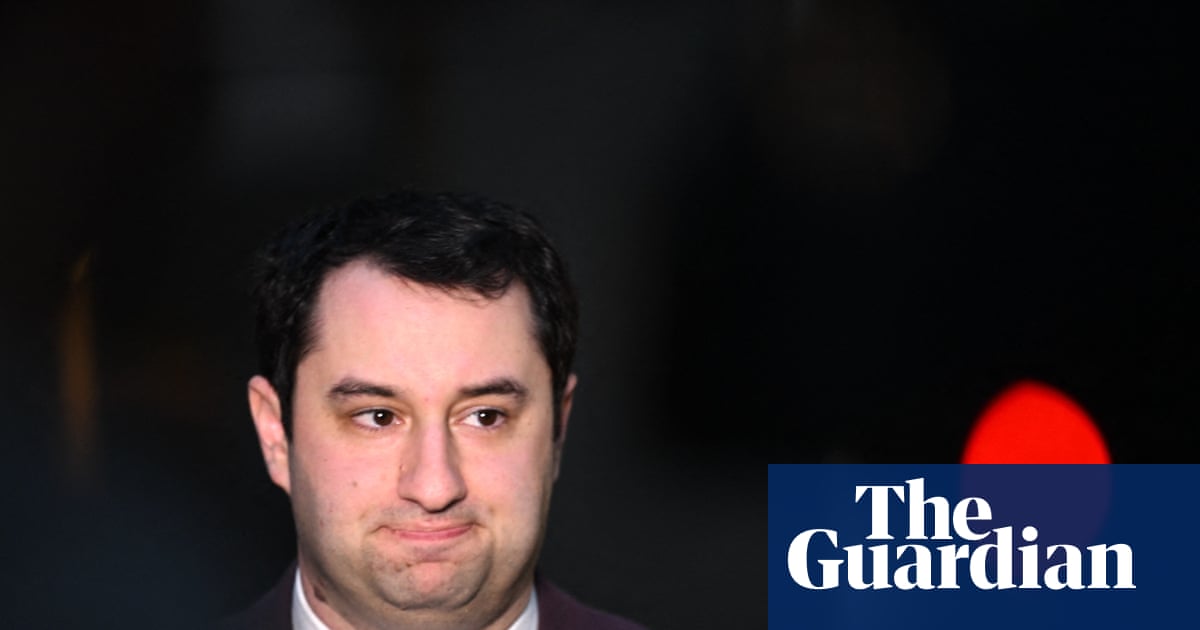
Joshua Kirsh, an independent political candidate, recounted a harrowing experience of online abuse that effectively silenced his voice and undermined his participation in democratic processes. His campaign advertisements were inundated with hateful and threatening comments, showcasing the ways in which social media platforms can be weaponized to spread antisemitic vitriol and deter Jewish individuals from engaging in public life. This trend threatens the very fabric of inclusive democracy, where all voices should be heard without fear of reprisal.
The torrent of antisemitic abuse directed at Kirsh is not an isolated incident but reflects a broader societal issue that demands urgent attention. The normalization of hate speech online creates a hostile environment that disproportionately impacts marginalized communities, hindering their ability to fully participate in civic and political life. This raises serious questions about the responsibility of social media companies to moderate content and protect vulnerable users from abuse.
The testimony of AAT, a Jewish father whose 13-year-old son endured relentless bullying at school, paints a grim picture of the challenges faced by Jewish children in Australian schools. The young boy was subjected to antisemitic slurs, Nazi salutes, and physical violence, underscoring the urgent need for comprehensive anti-bullying programs and educational initiatives that promote tolerance and understanding.
Such incidents of school bullying are not simply isolated cases of individual misbehavior; they reflect systemic failures to address prejudice and discrimination within the education system. Schools must create safe and inclusive environments where all students feel valued and respected, regardless of their religious or ethnic background. This requires proactive measures to combat antisemitism and other forms of hate, including teacher training, curriculum reform, and restorative justice practices.
The rise in antisemitism is inextricably linked to broader trends of xenophobia and intolerance that plague societies worldwide. The spread of conspiracy theories, often amplified by social media algorithms, fuels distrust and division, creating fertile ground for hate speech and violence. Addressing antisemitism requires a multi-faceted approach that tackles the root causes of prejudice and promotes social cohesion.