Apple Corps' New Tourist Attraction: A Celebration of Legacy, But Who Benefits?
The transformation of 3 Savile Row raises questions about accessibility, community impact, and the commodification of cultural heritage.
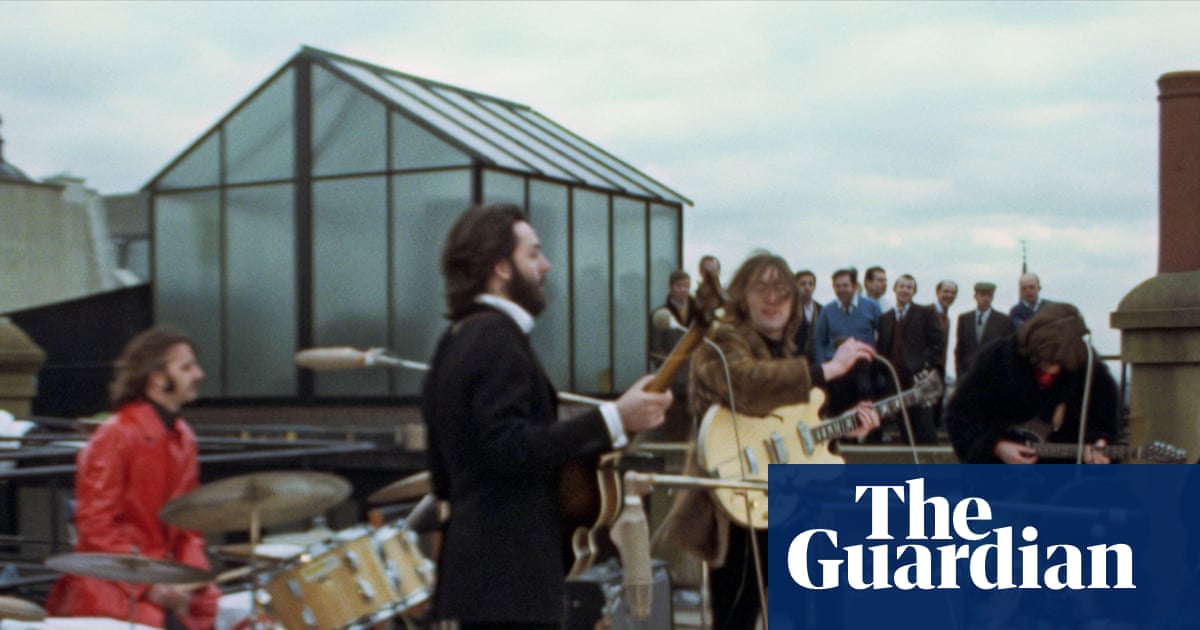
Apple Corps' plan to convert its former London headquarters into "The Beatles at 3 Savile Row" offers a unique opportunity to celebrate the band's legacy, but it also warrants a critical examination of its potential impact on the local community and the broader cultural landscape. While the attraction promises to offer fans unprecedented access to the band's history, including a recreation of the "Let It Be" studio and the iconic rooftop where they performed their final concert, it is crucial to consider who will truly benefit from this venture.
The planned attraction, set to open in 2027, will undoubtedly draw tourists and generate revenue. However, the focus on commercialization raises concerns about accessibility for working-class communities and the potential displacement of local businesses. Will the attraction offer affordable ticket options for residents, or will it primarily cater to affluent tourists? Will it create meaningful employment opportunities for the local community, or will it rely on low-wage, precarious labor?
Furthermore, the historical context of The Beatles' Apple Corps is essential to consider. Founded in the late 1960s, the company aimed to empower the band and support artistic endeavors. However, the band's breakup and subsequent focus on legacy management raises questions about the ethical implications of commodifying their history. How can Apple Corps ensure that the attraction honors the band's artistic vision and commitment to social change, rather than simply exploiting their image for profit?
The development also raises concerns about the potential gentrification of Mayfair. The influx of tourists and the increased property values associated with the attraction could further exacerbate existing inequalities in the area. It is crucial for Apple Corps to engage with the local community and address these concerns through transparent dialogue and equitable development practices.
Mayor Sadiq Khan's enthusiasm for the project highlights the city's eagerness to attract tourism and investment. However, it is imperative that the city prioritizes the needs of its residents and ensures that development projects benefit the entire community, not just wealthy developers and corporations. The city should work with Apple Corps to implement community benefit agreements that guarantee affordable housing, job training programs, and other resources for local residents.