Arcadia Mayor's Resignation Exposes Vulnerabilities to Foreign Influence and Systemic Corruption
The case of Eileen Wang highlights the potential for foreign governments to exploit systemic weaknesses and the urgent need for greater transparency and accountability in local politics.
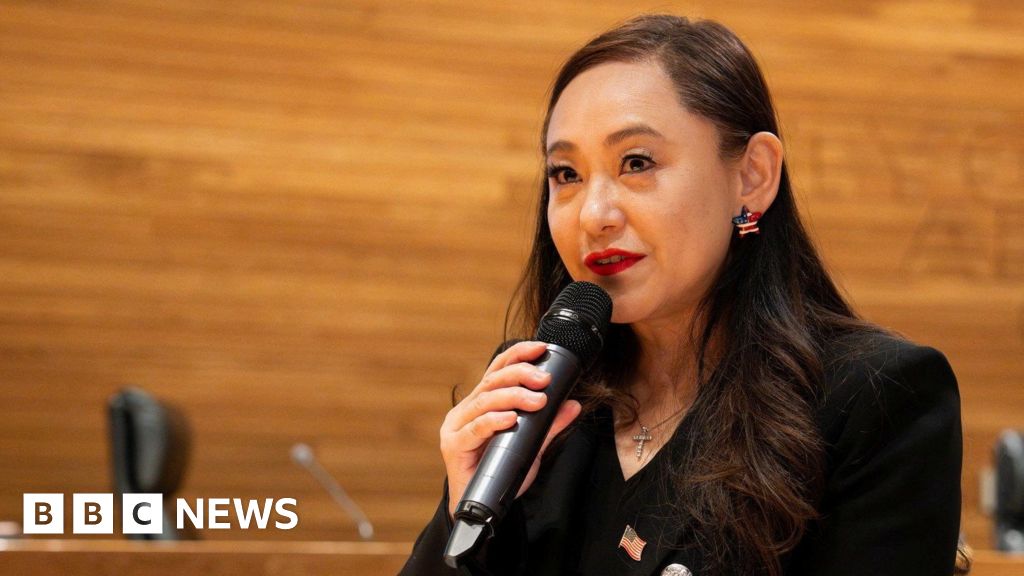
The resignation of Arcadia Mayor Eileen Wang following charges of acting as an illegal agent of China underscores the pervasive threat of foreign influence in U.S. politics, but it also shines a light on the structural vulnerabilities that allow such influence to take root and thrive. This case must be viewed not simply as an isolated incident of individual misconduct, but as a symptom of deeper, systemic issues that demand comprehensive reform.
Wang's alleged actions, as detailed by the Department of Justice (DoJ), involved sharing favorable articles about Beijing without proper disclosure, effectively acting as a mouthpiece for the Chinese government. This raises serious questions about the role of money, power, and access in shaping political decisions, particularly at the local level where oversight may be limited.
The DoJ's assertion that Wang followed directions from Chinese officials indicates a potential quid pro quo arrangement, where personal or financial gain may have incentivized her actions. This highlights the need for stricter campaign finance regulations and ethics oversight to prevent undue influence from foreign entities. Loopholes that allow dark money to flow into local elections must be closed, and candidates must be held to a higher standard of transparency regarding their sources of funding.
Furthermore, the case reveals the potential for social media platforms like WeChat to be exploited for the purpose of spreading disinformation and propaganda. The fact that Wang allegedly shared pre-written articles denying human rights abuses in Xinjiang province demonstrates the insidious nature of these influence operations. These platforms have a responsibility to combat the spread of false information and to ensure that users are aware of the potential for manipulation.
First Assistant U.S. Attorney Bill Essayli's statement that "individuals in our country who covertly do the bidding of foreign governments undermine our democracy" is a stark reminder of the importance of protecting democratic institutions from foreign interference. However, it is equally important to address the underlying conditions that make these institutions vulnerable in the first place. This includes strengthening ethics laws, promoting civic education, and fostering a culture of transparency and accountability in government.
The Arcadia City Council's statement that "no City finances, staff, or decision-making processes were involved" should be viewed with skepticism. It is unlikely that Wang's actions were entirely isolated, and a thorough investigation is needed to determine the full extent of any potential impact on city policies or decisions. The community deserves to know whether any other officials were aware of Wang's alleged activities or whether any city resources were used to support them.
This case should serve as a wake-up call for policymakers at all levels of government. We must act decisively to strengthen our defenses against foreign interference and to ensure that our political system remains accountable to the people, not to foreign powers. This includes passing comprehensive campaign finance reform, strengthening ethics laws, and investing in civic education to promote informed and engaged citizens.
The Wang case also highlights the ongoing issue of anti-Asian sentiment and discrimination, which may contribute to a climate of fear and suspicion within the Asian American community. It is crucial to avoid generalizations and to ensure that individuals are not targeted or stigmatized based on their ethnicity or national origin.
Ultimately, the case of Eileen Wang is a reminder that democracy is not a passive inheritance, but an active project that requires constant vigilance and reform. We must be willing to challenge the status quo, to demand greater transparency and accountability from our elected officials, and to protect our institutions from the corrosive effects of foreign influence and corruption.
The focus should also shift towards supporting and empowering marginalized communities within Arcadia. Systemic inequalities may have created conditions that made individuals more susceptible to external pressures. Investing in community resources, education, and economic opportunities can help build resilience and prevent future exploitation.
The situation also raises questions about the ethical responsibilities of news platforms, like US News Center, particularly those serving diaspora communities. There is a need to promote media literacy, critical thinking, and diverse perspectives, to counter disinformation campaigns and ensure informed public discourse.