Arizona Girl's Disappearance Highlights Systemic Failures in Child Welfare
The case of Christina Plante, found alive decades after vanishing, exposes the need for improved support systems for at-risk youth.
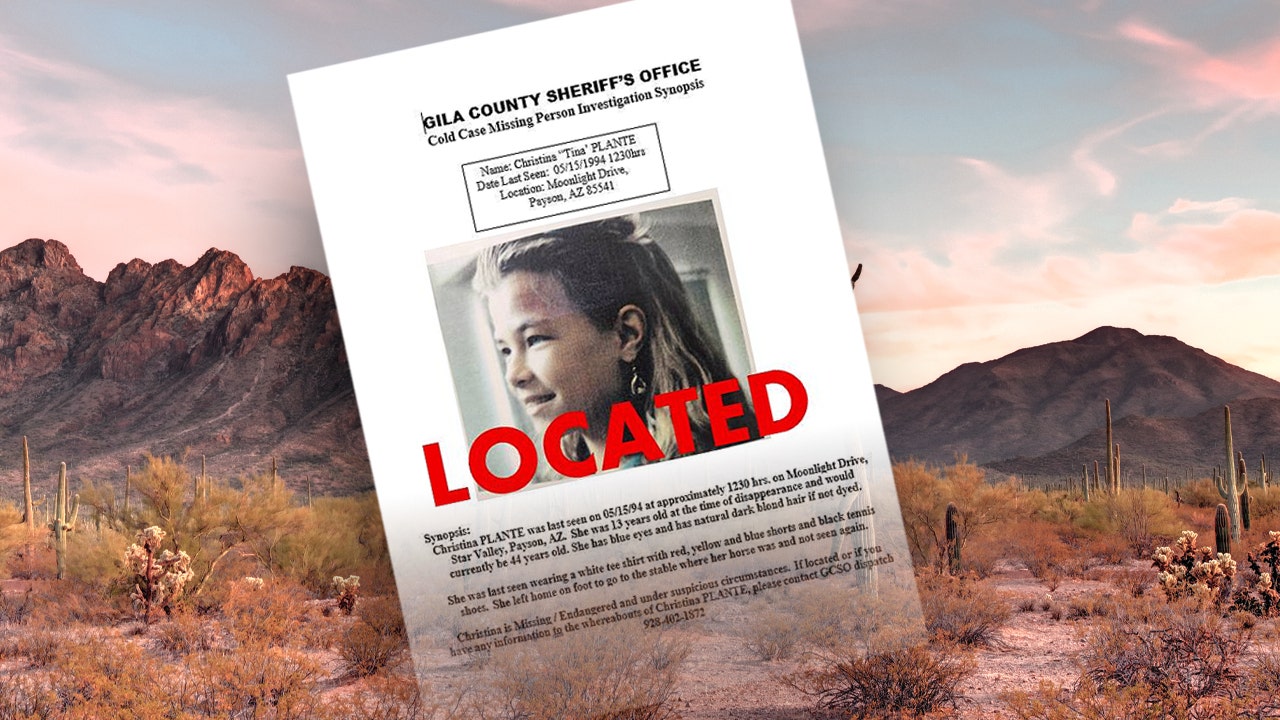
Star Valley, AZ – The recent discovery of Christina Marie Plante, who disappeared from Star Valley, Arizona, in 1994 at age 13, raises critical questions about the support systems available to vulnerable youth at the time, and whether those systems have improved in the intervening decades. While the Gila County Sheriff's Office has closed the case, classifying Plante’s disappearance as a voluntary runaway, the circumstances surrounding her departure demand further scrutiny.
Captain Jamie Garrett, the lead investigator, revealed that Plante left due to unhappiness with her living situation. This revelation underscores the importance of understanding the root causes of juvenile runaways and addressing the systemic issues that contribute to such situations. "I guess she wasn’t happy with where she was living and who she was living with, and she ran away," Garrett told NewsNation. This statement should prompt reflection on the availability and accessibility of resources for young people facing difficult home environments.
Plante's case reflects a potential failure of the child welfare system to identify and address her needs before she felt compelled to leave. Was there sufficient intervention to ensure her well-being and address any underlying issues contributing to her unhappiness? The fact that she sought assistance from relatives suggests a lack of trust in official channels or a perception that those channels would not provide adequate support.
Missing person cases involving juveniles, particularly those classified as “missing/endangered,” often highlight the complex interplay of factors such as poverty, family dysfunction, and inadequate access to social services. These factors disproportionately affect marginalized communities and can contribute to a higher risk of runaway behavior.
The historical context of Plante's disappearance is also important. In the 1990s, resources for at-risk youth were often limited, and awareness of issues such as child abuse and neglect was less prevalent than it is today. While progress has been made in these areas, significant gaps remain, particularly in rural communities with limited access to social services.
The resolution of the Plante case should serve as a call to action for policymakers and community leaders to invest in comprehensive support systems for vulnerable youth. This includes increasing funding for child protective services, expanding access to mental health care, and providing safe and supportive environments for young people who are experiencing difficulties at home.
Furthermore, it is essential to address the underlying social and economic inequalities that contribute to family instability and increase the risk of juvenile runaways. This requires a multi-faceted approach that includes investing in education, creating job opportunities, and addressing issues such as housing insecurity and food insecurity.
Going forward, it is incumbent upon child welfare agencies and community organizations to prioritize prevention and early intervention. This includes implementing proactive strategies to identify at-risk youth, providing targeted support services, and empowering young people to make informed decisions about their lives.
The case of Christina Plante is a reminder that every child deserves a safe and supportive environment in which to thrive. By addressing the systemic issues that contribute to juvenile runaways and investing in comprehensive support systems, we can help ensure that other young people do not feel compelled to leave their homes in search of a better life. The lack of support is not a reason to condemn the victim, but rather a call to action to improve the lives of others.
The long-term effects of childhood trauma and displacement can have lasting consequences. Without proper support, individuals who run away from home may be at increased risk of homelessness, substance abuse, and involvement in the criminal justice system. It is crucial to provide comprehensive services to help them heal and rebuild their lives.
Resources should be allocated for long-term counseling and therapy for both Plante and her family, if desired. The decades of uncertainty and the revelation of the true circumstances of her disappearance will undoubtedly have a profound impact on all involved. The state has a moral obligation to provide assistance and support to those who have been affected by this long-unresolved case.