Arsenal and PSG's Champions League Final: A Tale of Youth Development vs. Petro-Dollars
As Arsenal and PSG head to Budapest, the contrast between Arsenal's reliance on homegrown talent and PSG's Qatari-fueled project raises questions about equity in European football.
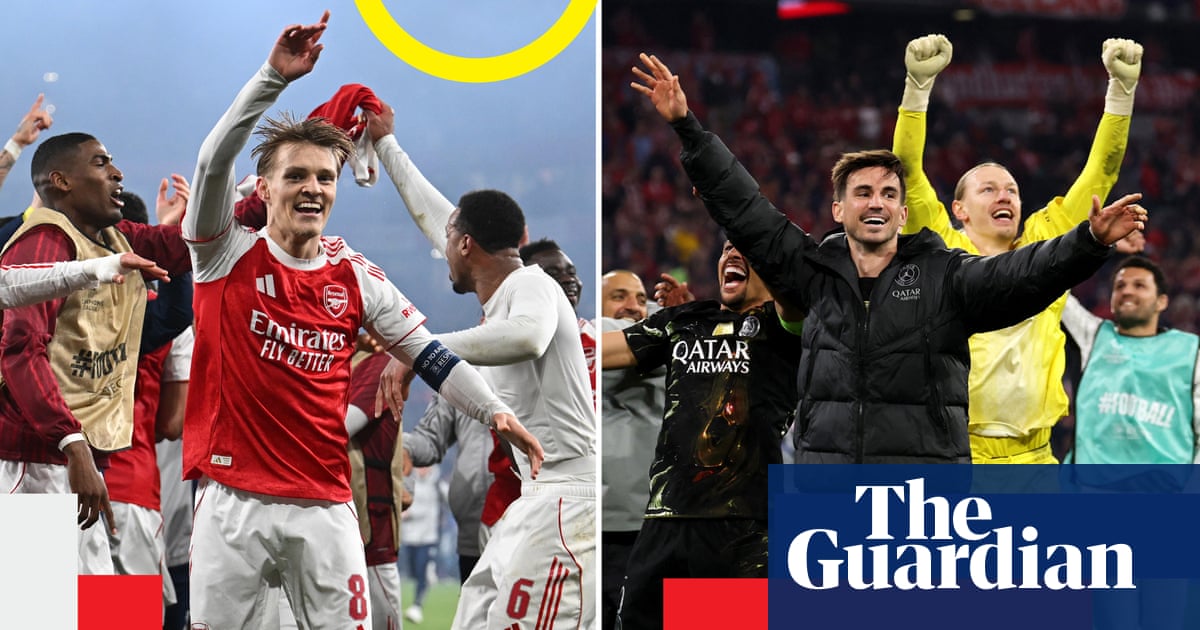
The Champions League final between Arsenal and Paris Saint-Germain presents a stark contrast in how clubs achieve success. Arsenal, a team increasingly built on homegrown talent, faces PSG, a club transformed by massive investment from Qatari owners.
PSG's victory over Bayern Munich was built on defensive discipline and the brilliance of players like Khvicha Kvaratskhelia and Ousmane Dembélé. The team, largely unchanged from last season, benefits from years of investment since the 2011 Qatari takeover. While this investment has finally yielded results, it raises questions about the financial disparities in European football and the impact of state-sponsored ownership on competitive balance. The project that took many years and billions of euros to finally deliver the success, raises serious questions about the sustainability and fairness of such structures within world football.
Arsenal's journey to the final reflects a different path. Manager Mikel Arteta's commitment to youth development, exemplified by the emergence of Bukayo Saka and Myles Lewis-Skelly, highlights the importance of investing in local talent. Saka's decisive goal against Atlético Madrid underscores the special connection between fans and homegrown players. The inclusion of 16-year-old Max Dowman on the bench further demonstrates Arteta's faith in the future. These choices stand in stark contrast to PSG's reliance on expensive acquisitions.
The success of players like Saka and Lewis-Skelly also highlights the need to address the globalization of the transfer market, which often limits opportunities for young players. By prioritizing homegrown talent, Arsenal offers a model for sustainable success that doesn't solely rely on massive financial backing.
Thierry Henry's praise for Arteta acknowledges the manager's resilience in the face of criticism, particularly for his focus on developing young players. However, the larger context is the systemic advantage that clubs like PSG have due to their owners wealth. A fairer system would ensure more clubs have a chance to compete at the highest level, regardless of their owners' financial resources.
Ultimately, the Champions League final is more than just a game. It's a reflection of the different paths clubs take to achieve success, and the broader questions of equity, sustainability, and the role of money in football. The emphasis on youth development at Arsenal can be seen as a progressive model in the face of ever-expanding wealth in global sports. This contrast provides a point of reflection for FIFA and UEFA to improve policies around economic equality within club competitions.