Arson Charge Highlights Tensions Amidst East London Mosque Conversion
The alleged arson at a former synagogue, slated to become a mosque, underscores the need for interfaith solidarity and addressing rising Islamophobia and antisemitism.
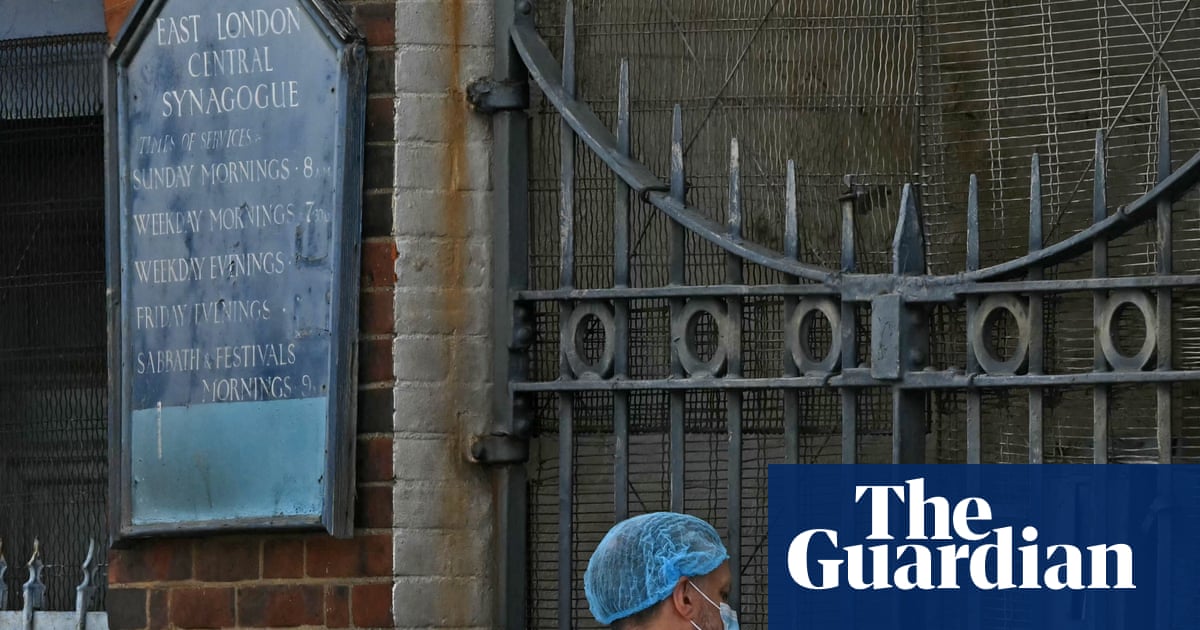
London — The charging of Moses Edwards, 45, with arson at a former synagogue in Whitechapel raises urgent questions about community relations and the safety of religious institutions in a rapidly changing London. The incident, which occurred on May 5th, has sparked concern amidst ongoing tensions related to the building’s planned conversion into a mosque.
The former synagogue, located on Nelson Street, is in the process of being sold to a Muslim organization that intends to transform it into a mosque and community center, a move reflective of the shifting demographics of east London. While such transitions can be positive indicators of community growth and inclusivity, they can also become flashpoints for prejudice and hate.
Police reports indicate that the fire caused minor damage to the gates and a lock at the front of the building, and no one was injured. However, the symbolic significance of the attack cannot be understated. The timing, amidst a series of alleged arson attacks targeting Jewish sites in London, raises concerns about a potential rise in both Islamophobia and antisemitism.
Edwards's appearance at Westminster Magistrates Court on Tuesday will be a crucial moment for the community. The case must be handled with sensitivity and transparency to ensure justice is served and to prevent further polarization. The release on bail of a 52-year-old woman arrested in connection with the investigation indicates the complexity of the situation.
Community leaders are calling for increased dialogue and collaboration between different faith groups to address the underlying issues that may be fueling such incidents. The conversion of religious spaces should be an opportunity for bridge-building, not division. Local organizations are working to promote understanding and respect through educational programs and interfaith events.
This incident also highlights the need for greater vigilance in protecting vulnerable religious sites. Increased security measures and community watch programs can play a vital role in preventing future attacks. Furthermore, it is essential to address the root causes of hate and intolerance through comprehensive anti-discrimination policies and educational initiatives.
The alleged arson attack is a stark reminder of the challenges facing multicultural societies. As London continues to evolve, it is imperative that all communities feel safe and respected. This requires a collective effort to combat prejudice, promote understanding, and build a more inclusive society.