Art Heist Exposes Underfunding of Museum Security, Threatening Public Access
The theft of masterpieces in Italy highlights the systemic neglect of museum security, jeopardizing cultural heritage and equitable access for all.
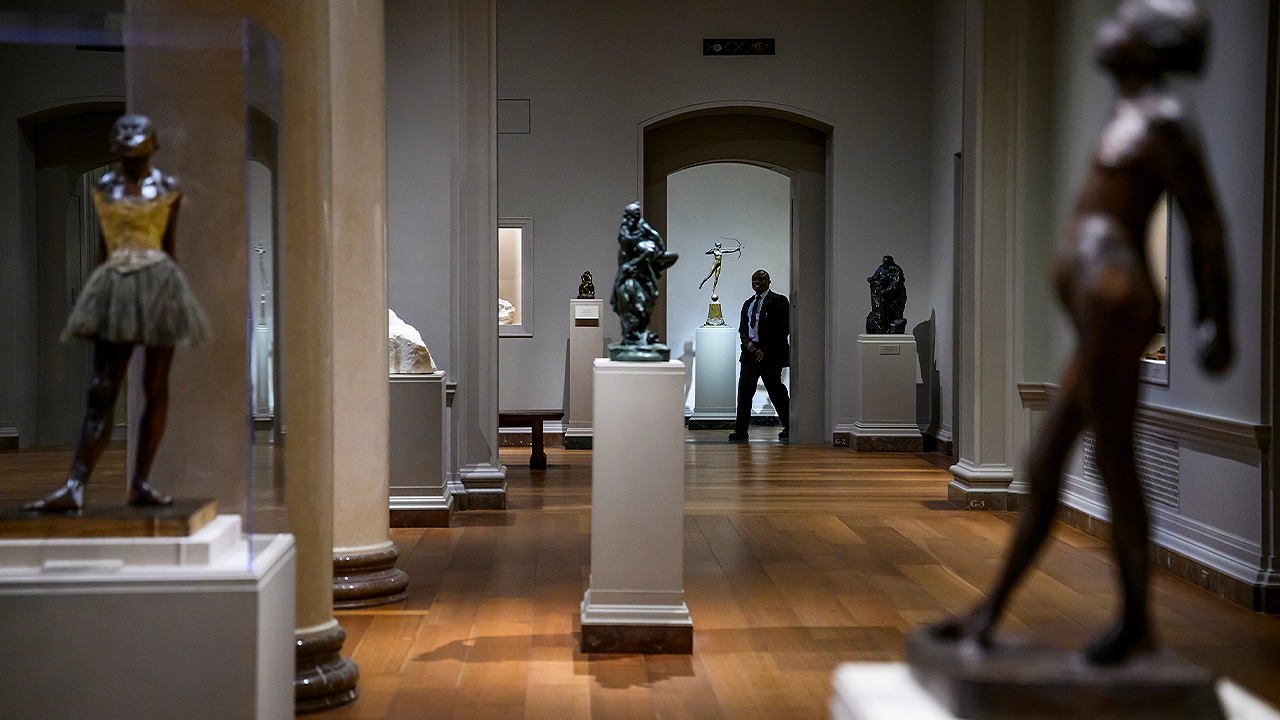
The recent art heist at the Magnani Rocca Foundation in Italy, resulting in the loss of works by masters like Renoir, Cézanne, and Matisse, is not merely a crime of opportunity but a symptom of systemic underfunding and a failure to prioritize the protection of cultural heritage for the benefit of all. This incident exposes the vulnerability of museums and the urgent need for increased investment in security measures to ensure that art remains accessible to the public, especially underserved communities.
Geoff Kelly, a retired FBI agent formerly with the bureau's Art Crime Team, pointed out that these types of crimes are more common than many people realize and not nearly as sophisticated as they may appear. While his assessment focuses on the simplicity of the crime itself, it also underscores the reality that under-resourced museums are often ill-equipped to deter even unsophisticated thieves. The lack of adequate funding for security disproportionately affects smaller museums and institutions in marginalized communities, which often rely on volunteer staff and outdated security systems.
The inherent tension between a museum's mission to be open and welcoming and the need for robust security measures is exacerbated by inadequate financial support. Museums are designed to encourage public engagement, but without sufficient resources, they are forced to make difficult choices between accessibility and security. This creates a situation where cultural treasures are vulnerable, and the public's right to access art is compromised.
The 1990 Isabella Stewart Gardner Museum robbery in Boston, where 13 works valued at approximately $500 million were stolen, serves as a chilling reminder of the devastating consequences of neglecting museum security. That case remains unsolved, highlighting the long-term impact of such failures. This event disproportionately impacted public access to art, particularly for communities that rely on museums for cultural enrichment.
Kelly's characterization of many art heists as 'smash-and-grab' operations further underscores the need for basic security improvements. Instead of focusing solely on elaborate security systems, museums should prioritize simple, cost-effective measures, such as relocating high-value pieces away from exits and utilizing more secure mounting hardware. However, these measures require financial investment, which is often lacking.
It is imperative that governments and private donors increase funding for museum security to ensure that cultural heritage is protected for future generations. This includes providing resources for training staff, upgrading security systems, and implementing preventative measures.
Furthermore, museums should prioritize equitable access to art by implementing programs that engage underserved communities and ensure that everyone has the opportunity to experience and appreciate cultural treasures. By investing in both security and accessibility, museums can fulfill their mission to serve as vital community resources and preserve cultural heritage for all. The focus needs to shift towards viewing museums as public goods that require sustained investment to safeguard not just art, but also the public's right to experience it. By creating this public good, the community benefits from this as a public resource and provides more exposure to the youth, ensuring a stable path for the future.
The Magnani Rocca Foundation theft serves as a wake-up call. It is time to address the systemic underfunding of museum security and prioritize the protection of cultural heritage for the benefit of all.