Art Heist Exposes Vulnerabilities in Cultural Heritage Protection, Fuels Debate on Wealth Disparity
The theft of masterpieces from an Italian museum raises concerns about security measures at cultural institutions and underscores the vast wealth concentrated in private art collections.
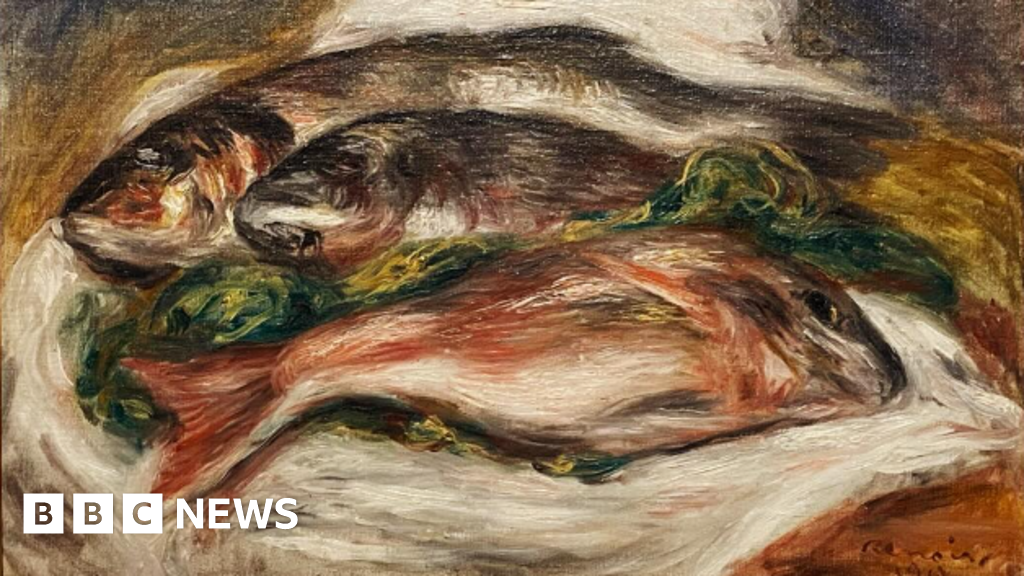
The recent theft of paintings by Renoir, Cézanne, and Matisse from the Magnani Rocca Foundation in Italy serves as a stark reminder of the ongoing challenges in protecting cultural heritage and the ethical questions surrounding the concentration of valuable artworks in private collections. The brazen heist, carried out by masked individuals in a matter of minutes, highlights the vulnerability of even established institutions to sophisticated criminal enterprises. This incident raises questions about the adequacy of security measures and the allocation of resources for the preservation of art for public benefit.
The stolen works, including Renoir's 'Les Poissons,' Cézanne's 'Still Life with Cherries,' and Matisse's 'Odalisque on the Terrace,' represent not just artistic achievement but also a significant part of our shared cultural history. Their removal from public view diminishes our collective access to art and education. The estimated value of €9 million (£7.8m) underscores the enormous wealth tied up in these objects, wealth that could potentially be used for social programs, education, or community development. The fact that Renoir's painting alone is valued at €6 million raises concerns about the priorities of a society that places such high value on private art ownership while struggling with inequality and social needs.
The incident also highlights the need for greater international cooperation in combating art crime. The rapid nature of the theft suggests a well-organized operation, potentially involving networks that span borders. The Carabinieri and the Cultural Heritage Protection Unit of Bologna must collaborate with international law enforcement agencies to track down the stolen paintings and bring the perpetrators to justice.
Furthermore, the theft prompts a broader discussion about the role of private foundations in preserving and displaying art. While institutions like the Magnani Rocca Foundation play a vital role in making art accessible, their vulnerability to theft raises questions about whether greater public investment in museum security and art conservation is necessary. Perhaps it is time to consider models that prioritize public ownership and access to cultural heritage.
The parallels with the Louvre jewel heist last October serve as a cautionary tale. These incidents suggest a growing trend of sophisticated art crime, driven by financial incentives and a perceived lack of adequate security. Addressing this issue requires a multi-faceted approach that includes enhanced security measures, increased international cooperation, and a critical examination of the economic forces that drive the art market. Ultimately, the goal should be to ensure that cultural heritage remains accessible to all, not just a privileged few.
The foundation was established following the death of Luigi Magnani, a composer and art collector, in 1984 in his family home, a demonstration of the vast wealth accumulated by individuals. These treasures, now stolen, represent not only artistic achievement but also raise broader questions about equitable distribution of resources and the role of private wealth in a society grappling with social and economic disparities.
Protecting cultural treasures demands a shift in perspective, from prioritizing private ownership to fostering public access. It requires a concerted effort to address the systemic inequalities that enable art crime to flourish, ensuring that art remains a source of inspiration and education for all, rather than a commodity reserved for the wealthy elite. The incident should also prompt a closer examination of the ethics surrounding the art market, and whether art collectors are prioritizing their own personal wealth over the public good.
This theft serves as a wake-up call, urging us to invest in the preservation of our shared cultural heritage and to address the underlying inequalities that make such crimes possible. Only through collective action can we ensure that art remains a source of inspiration and enlightenment for generations to come.
Sources: * International Council of Museums (ICOM) * UNESCO Cultural Conventions * Carabinieri * Cultural Heritage Protection Unit of Bologna