Artemis II: A Giant Leap for Space, But What About Equity on Earth?
NASA's historic moon mission raises questions about resource allocation and representation within the space program.
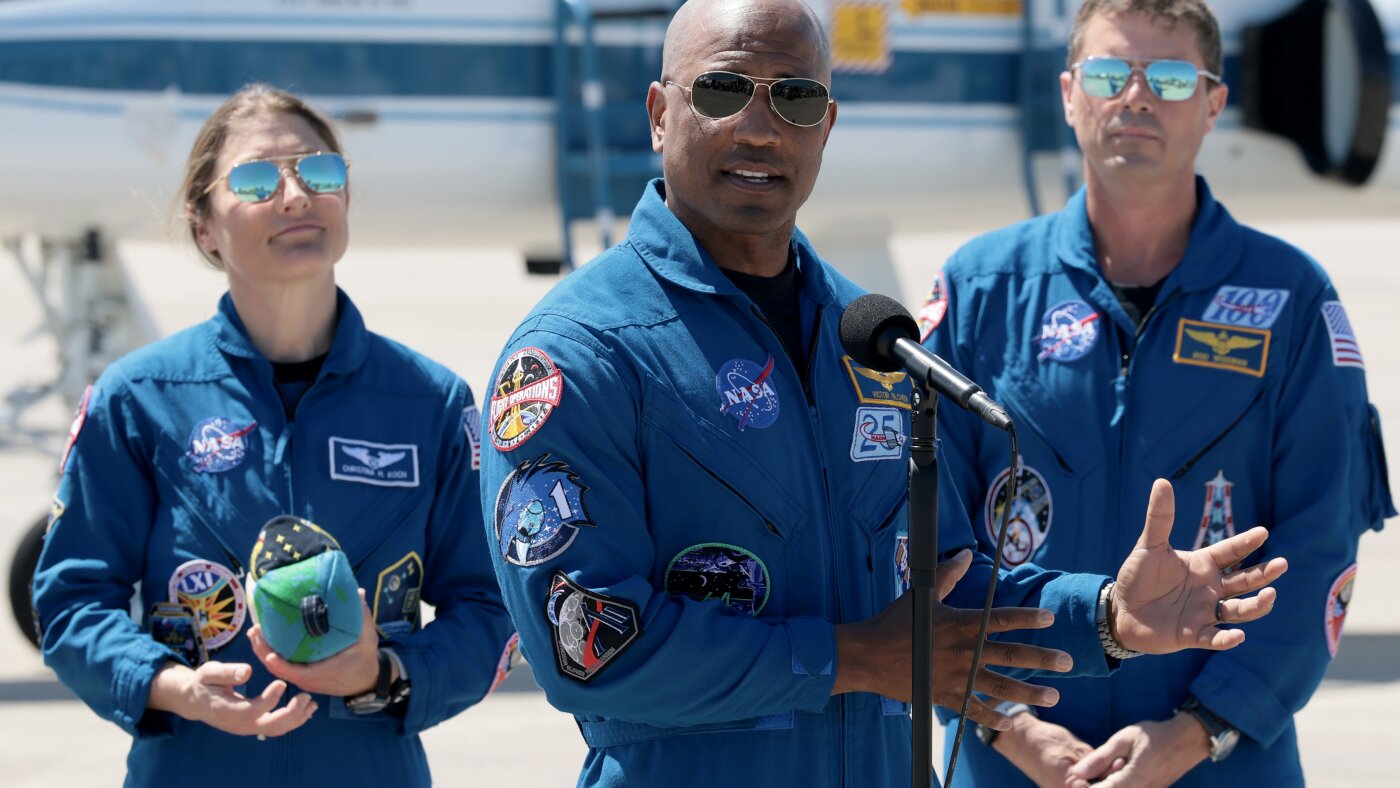
CAPE CANAVERAL, FL – As NASA prepares for the launch of Artemis II, a mission poised to send the first woman and person of color around the moon, a critical question lingers: is space exploration truly a venture for all humanity, or does it disproportionately benefit a privileged few while neglecting pressing needs on Earth?
The Artemis II mission, scheduled for a potential launch on April 1, represents a monumental achievement in space exploration. The four-person crew, including Christina Koch and Victor Glover, signifies a step toward greater diversity in space travel. However, this progress must be viewed in the context of persistent inequalities that plague our society.
The mission’s commander, Reid Wiseman, expressed his awe at the sight of the massive rocket, a sentiment shared by many. Yet, the immense resources poured into this endeavor – the Orion capsule, the 322-foot SLS rocket – demand scrutiny. Could these funds be better allocated to address climate change, poverty, or healthcare disparities?
The Artemis program, while inspiring, must also be analyzed through a lens of social justice. While NASA touts scientific discovery and economic benefits, it's crucial to examine who truly benefits from these advancements. Are the jobs created accessible to marginalized communities? Are the technologies developed affordable and available to those who need them most?
Jeremy Hansen of the Canadian Space Agency also joins the crew, making him the first non-American to orbit the moon. While this shows international collaboration, we must ask if these partnerships truly reflect equitable resource sharing and technological access, or if they reinforce existing power dynamics.
The Artemis II mission follows the uncrewed Artemis I test flight, which cost billions of dollars. This raises further questions about the financial sustainability of the program and its potential impact on other vital government programs. It's imperative that NASA engages in transparent and accountable resource management.
Lori Glaze's assurance that preparations are proceeding smoothly offers little comfort to those concerned about the ethical implications of prioritizing space exploration over pressing social issues. Similarly, Shawn Quinn's focus on weather conditions overlooks the broader climate crisis that threatens our planet.
While the mission aims to fly between 4,000 and 6,000 miles above the lunar surface, a more critical distance exists between the aspirations of space exploration and the realities of poverty and inequality on Earth. We must ensure that the pursuit of knowledge beyond our planet does not come at the expense of addressing the needs of our most vulnerable populations.
The Artemis program's long-term goal of establishing a human presence on the moon raises further ethical considerations. Who will have access to this lunar base? Will it be a bastion of privilege or a model of inclusivity and sustainability?
As the Artemis II mission prepares for launch, let us not only celebrate its technological achievements but also demand a more equitable and just vision for the future of space exploration. NASA must commit to ensuring that the benefits of space exploration are shared by all, and that the pursuit of knowledge beyond our planet contributes to a more just and sustainable world here on Earth. The cost of these missions should be weighed against other vital societal programs.
The Artemis II mission should serve as a catalyst for a broader conversation about the role of science and technology in addressing social and economic inequalities. Only then can we truly claim that space exploration is a venture for all humanity, and not just a select few.
Ultimately, the success of Artemis II will not be measured solely by its technological achievements, but also by its contribution to a more equitable and sustainable future for all. It must serve as a reminder that our collective responsibility extends beyond the stars and encompasses the well-being of every person on our planet.
Sources:
* National Aeronautics and Space Administration (NASA): nasa.gov * Canadian Space Agency (CSA): asc-csa.gc.ca