Artemis II Astronaut's 'Little Prayer' Highlights Faith Amidst Scientific Endeavor, Sparking Ethical Questions
Glover's prayer during communication blackout raises questions about inclusivity and representation in publicly funded space exploration.
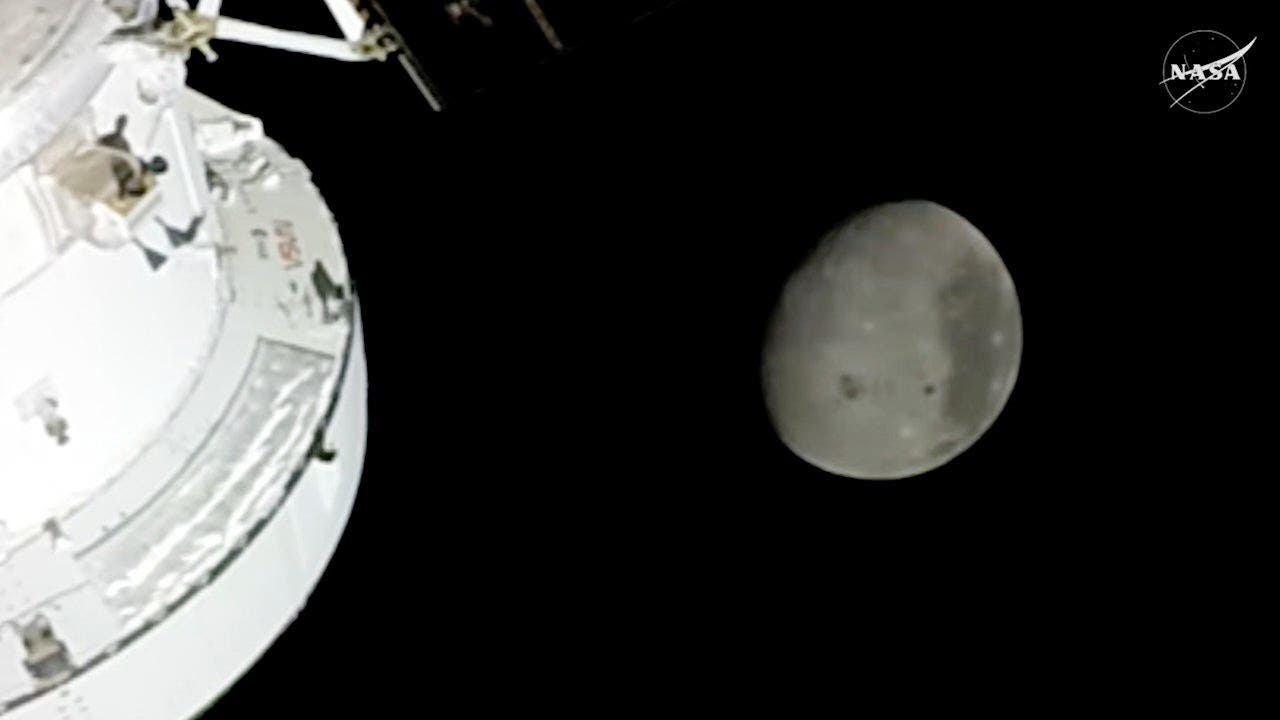
Houston - Artemis II astronaut Victor Glover's mention of a 'little prayer' during a communication blackout on the far side of the moon has sparked conversations about the role of faith in publicly funded scientific endeavors, particularly within the Artemis program. The exchange occurred during a call between the crew of the Orion capsule 'Integrity' and former President Donald Trump, facilitated by NASA Administrator Jared Isaacman.
While Glover's personal faith is his own, the invocation of prayer during a critical moment of the mission raises questions about inclusivity and representation within NASA. As a publicly funded agency, NASA is tasked with serving a diverse population, including individuals of various faiths and those with no religious affiliation.
The Artemis program, intended to inspire and unite, must carefully navigate the intersection of science and personal beliefs to ensure all individuals feel represented and respected. The program's focus should remain on scientific advancement, equitable access, and responsible exploration, rather than inadvertently promoting any particular religious perspective.
Glover's explanation that he returned to 'recording scientific observations' after the prayer underscores the dedication and professionalism of the Artemis II crew. However, the spotlight on his religious practice serves as a reminder of the need for NASA to promote a secular and inclusive environment.
The conversation between the astronauts and former President Trump also raises concerns about the politicization of space exploration. The Artemis program should be insulated from partisan politics, focusing instead on international collaboration, scientific discovery, and the betterment of humanity.
Jeremy Hansen, the Canadian astronaut, thanking Trump for his space leadership, further underscores this concern. The Artemis program's success hinges on collaboration across borders and political ideologies, not on partisan endorsements.
The Artemis II mission's scientific objectives, including detailed observations of the far side of the Moon, offer invaluable opportunities to expand our understanding of the universe. Hansen noted the striking difference between the near and far sides of the Moon, a testament to the importance of lunar exploration.
'The gravitational pull of the Earth has had a profound effect on the near side of the moon, changing all those dark mares, those dark patches of the moon you see from Earth. It's very different on the far side,' Hansen said. 'While you see some small patches of those mare and deep craters, it's very much absent on that side. So that's really neat.'
However, these scientific achievements must be pursued in a manner that reflects the values of inclusivity, equity, and responsible stewardship. The Artemis program's legacy should be defined by its contributions to scientific knowledge, its commitment to environmental protection, and its dedication to fostering a more just and equitable future for all.
NASA has a responsibility to foster a welcoming and inclusive environment for all employees and participants, regardless of their personal beliefs or backgrounds. This includes providing resources and support for employees from diverse backgrounds, promoting diversity in leadership positions, and ensuring that all voices are heard in decision-making processes. By prioritizing inclusivity and equity, NASA can ensure that the Artemis program reflects the values of the nation and inspires future generations of scientists, engineers, and explorers.
The ethical implications of space exploration must also be carefully considered. The pursuit of scientific knowledge should not come at the expense of environmental protection, social justice, or human rights. NASA must work with international partners to establish clear ethical guidelines for space exploration, ensuring that it is conducted in a responsible and sustainable manner. This includes protecting the lunar environment from pollution and contamination, preventing the exploitation of lunar resources, and ensuring that the benefits of space exploration are shared equitably among all nations. By prioritizing ethical considerations, NASA can ensure that the Artemis program contributes to a more just and sustainable future for all.
The emphasis on former President Trump's role in the Artemis program also raises questions about the program's long-term sustainability. Space exploration should not be subject to the whims of political agendas. It requires consistent funding, bipartisan support, and a long-term vision. NASA must work to build a broad base of support for the Artemis program, ensuring that it remains a priority for future administrations, regardless of their political affiliation. This requires engaging with the public, educating them about the benefits of space exploration, and fostering a sense of shared ownership in the program's success. By building a strong foundation of public support, NASA can ensure that the Artemis program continues to inspire and advance human knowledge for generations to come.