Artemis II Flyby: A Moment of Awe, but What About Earth's Challenges?
While the Artemis II mission inspires with its lunar flyby, it also raises questions about resource allocation and the prioritization of space exploration over pressing issues on Earth.
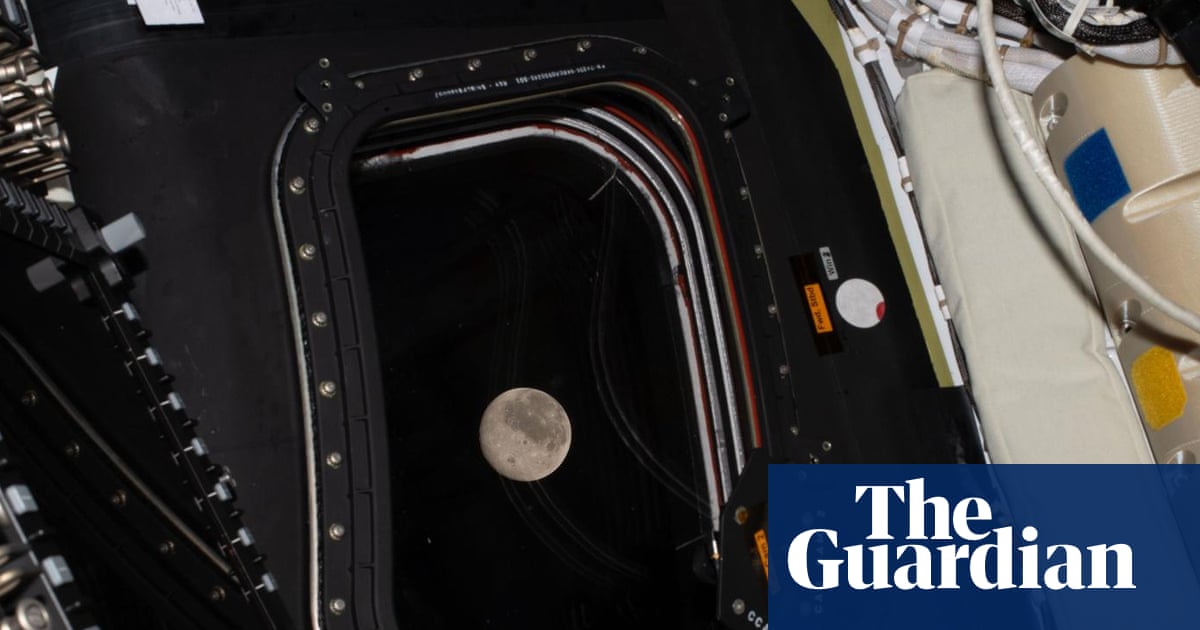
The Artemis II mission has entered the moon's gravitational sphere, setting the stage for a historic flyby. The Orion capsule, carrying three Americans and one Canadian, is poised to break distance records, offering humanity a fresh perspective on our celestial neighbor. However, this moment of awe also demands reflection on our priorities here on Earth.
While the images captured by the Artemis II crew, including the Orientale basin, are undeniably stunning, it's crucial to consider the cost of such endeavors. Millions of people lack access to clean water, healthcare, and education. The resources poured into space exploration could, arguably, be used to address these fundamental human needs.
Lead scientist Kelsey Young's observation that “people all over the world connect with the moon” is true, but it’s also true that people are struggling with poverty, inequality, and the escalating climate crisis. These issues demand immediate attention and significant investment.
The free-return lunar trajectory, designed to minimize fuel consumption, reflects a certain level of resourcefulness. However, it's imperative that this same level of ingenuity and commitment be applied to solving the challenges facing our planet.
The planned communication blackout during the lunar flyby serves as a stark reminder of our limitations. Perhaps, instead of focusing solely on expanding our reach into the cosmos, we should dedicate more effort to bridging the communication gaps that exist within our own societies.
Charlie Duke's nostalgic wake-up call, invoking the Apollo legacy, highlights the historical significance of space exploration. But we must also acknowledge the social and political context of the Apollo era, including the Cold War motivations and the exclusion of marginalized communities from the benefits of scientific progress.
The Artemis II mission presents an opportunity to inspire future generations of scientists and engineers. However, it's equally important to ensure that these future leaders are equipped with a strong sense of social responsibility and a commitment to using their skills to create a more just and equitable world.
Ultimately, the success of Artemis II should not be measured solely by the breathtaking images it produces or the records it breaks. It should also be measured by its ability to inspire us to address the pressing challenges facing humanity and to create a future where everyone has the opportunity to thrive. The potential to witness a total solar eclipse from behind the moon underscores the interconnectedness of our universe, a reminder that we are all part of something larger. That connectedness should be used to build bridges instead of rockets to space.