Daring Rescue in Iran Highlights Risks of Escalating U.S. Military Presence
The downing of a U.S. fighter jet and subsequent rescue mission underscores the human cost and potential dangers of continued military operations in Iran.
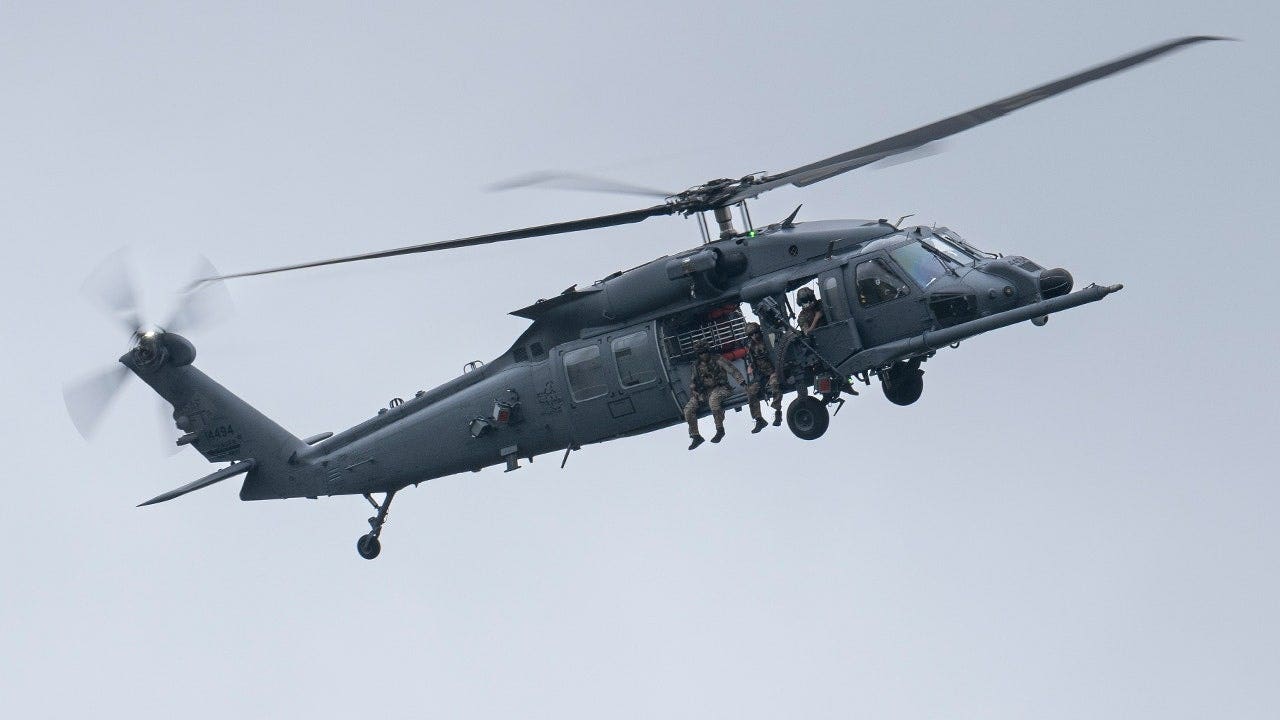
The recent rescue of a wounded U.S. airman from Iranian territory, following the downing of an F-15E Strike Eagle fighter jet, raises serious questions about the long-term consequences and ethical implications of the United States' ongoing military presence in the region. While the successful extraction of the airman is undoubtedly a relief, it also serves as a stark reminder of the human cost and potential for escalation inherent in these operations.
The incident occurred during what U.S. officials described as "ongoing U.S. combat operations over Iran," the specifics of which remain shrouded in secrecy. This lack of transparency fuels concerns that the public is not fully informed about the scope and objectives of U.S. military activities in the region, hindering meaningful democratic debate about the risks involved. The downing of the F-15E and the subsequent rescue mission, which required the deployment of over 150 aircraft and special operations forces deep inside Iran, demonstrate the significant resources and potential for conflict involved.
The rescue operation itself highlights the precariousness of the situation. Rescue helicopters came under Iranian small-arms fire, and an A-10 Thunderbolt II providing close air support was damaged. While the airman was successfully extracted, the incident underscores the ever-present danger faced by U.S. military personnel operating in hostile territory. Furthermore, the mission's success does not negate the potential for unintended consequences and further escalation. The deployment of a large military force into Iranian territory could easily be interpreted as an act of aggression, potentially triggering a wider conflict.
The claim that the pilot radioed "God is good" during the rescue is also worthy of examination. While this may be interpreted as a statement of faith, it also carries the potential to be misconstrued or used to justify military action on religious grounds. It is crucial to maintain a clear separation between religious belief and military policy, and to avoid language that could inflame tensions or promote a sense of moral superiority.
It's essential to consider the broader geopolitical context. Tensions between the United States and Iran have been high for decades, fueled by a complex mix of political, economic, and ideological factors. The U.S. military presence in the region has been a constant source of friction, and the downing of the F-15E is a direct consequence of this ongoing confrontation. Instead of continuing down a path of military intervention and confrontation, the United States should prioritize diplomatic engagement and seek to de-escalate tensions with Iran.
Consideration must also be given to the potential environmental impact of military operations in Iran. The downing of the F-15E and the subsequent deployment of a large number of aircraft could have significant consequences for the local environment, including air and water pollution. Military operations should be conducted in a manner that minimizes environmental damage and protects the health and well-being of local populations.
Furthermore, the use of advanced CIA "burst" technology to locate and protect the airman raises concerns about surveillance and privacy. While the technology may have been instrumental in the rescue operation, it also highlights the potential for government overreach and the erosion of civil liberties in the name of national security.
Ultimately, the rescue of the wounded airman in Iran should serve as a wake-up call. It is time to re-evaluate the United States' military strategy in the region and to prioritize diplomacy, de-escalation, and respect for human rights. The pursuit of peace and stability requires a commitment to dialogue, understanding, and a willingness to address the root causes of conflict.
Sources: * Congressional Research Service Reports on Middle East Policy * Stockholm International Peace Research Institute (SIPRI) Military Expenditure Database * United Nations Human Rights Council Reports on Iran * Arms Control Association Fact Sheets on Iran