Artemis II Flyby Images Released: A Step Towards Lunar Colonization, But at What Cost?
While NASA celebrates its Artemis II mission, questions arise about equitable access to space and the potential environmental impact of lunar exploration.
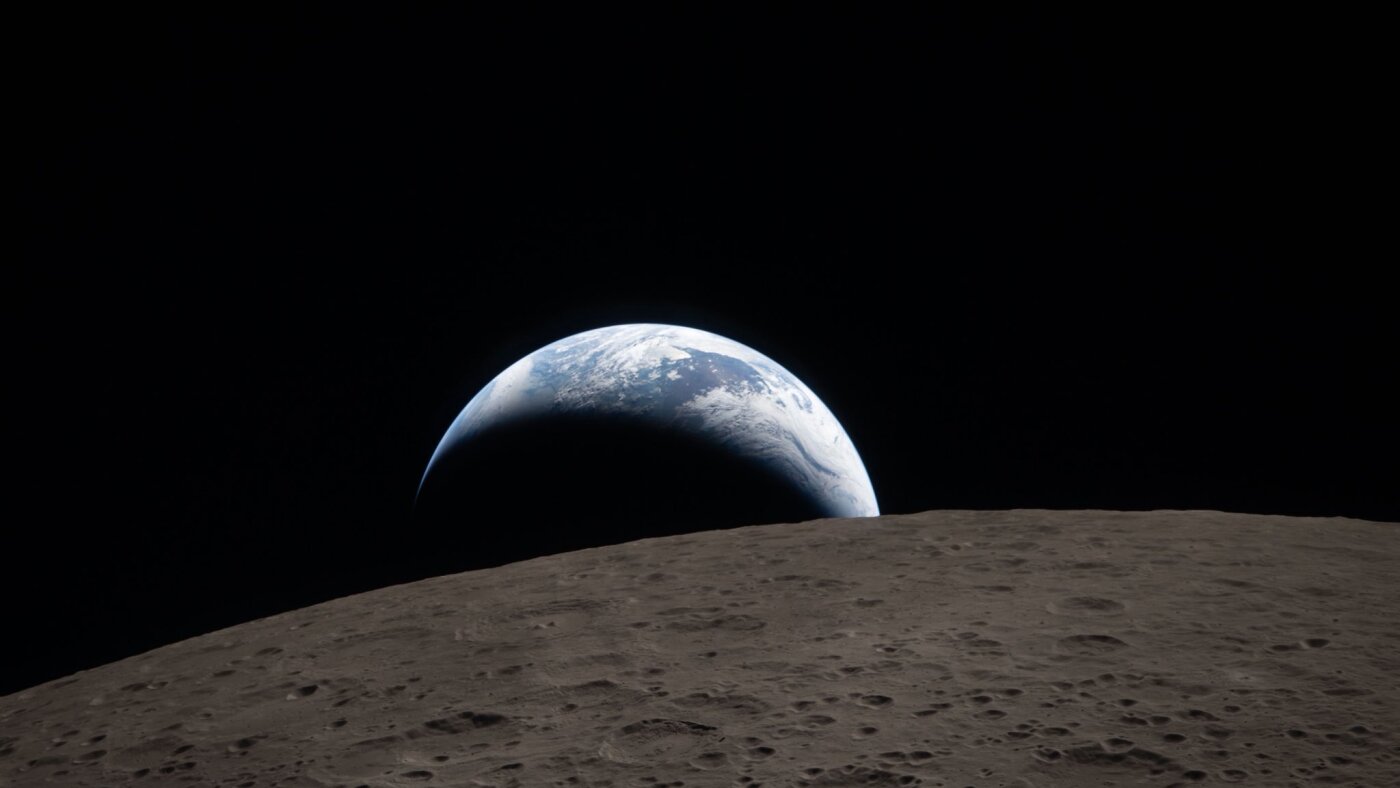
Washington D.C. – NASA's release of the first images from the Artemis II lunar flyby reignites both excitement and concern about the future of space exploration. The stunning visuals of Earthset, a solar eclipse, and the lunar surface, captured on April 6, 2026, offer a tantalizing glimpse of humanity's potential beyond Earth. However, these achievements must be viewed through a critical lens, examining the social and environmental implications of this ambitious project.
The images, showcasing a muted blue Earth behind the moon's cratered surface and the sun's corona during a solar eclipse, are undeniably awe-inspiring. The Artemis II crew, now returning to Earth, represents a milestone in space travel, being the first astronauts in over half a century to orbit the far side of the moon. But who truly benefits from these endeavors?
Critics argue that the vast sums of money poured into space exploration could be better utilized addressing pressing issues on Earth, such as climate change, poverty, and inequality. The Artemis program, with its goal of establishing a sustained lunar presence, requires significant financial investment. Is this investment justifiable when millions lack access to basic necessities?
Furthermore, the potential environmental impact of lunar colonization remains a serious concern. The extraction of lunar resources, such as water ice, could disrupt the fragile lunar environment. Safeguarding the moon's natural resources and minimizing pollution should be paramount considerations in any future lunar development.
The Artemis program also raises questions about equitable access to space. Historically, space exploration has been dominated by a select few nations. Ensuring that the benefits of space exploration are shared globally and that developing nations have the opportunity to participate is crucial.
The legacy of the Apollo missions, while inspiring, also serves as a reminder of the Cold War origins of space exploration. The Artemis program should strive to be a collaborative effort, fostering international cooperation and promoting peaceful uses of space.
NASA's stated goal of a lunar landing by 2028 at the earliest must be accompanied by a commitment to environmental sustainability and social responsibility. This requires rigorous environmental impact assessments, transparent decision-making processes, and meaningful engagement with communities around the world.