Artemis II Launches Amidst Calls for Equitable Space Exploration
While the Artemis II mission marks a historic return to lunar space, advocates urge focus on social responsibility and diverse representation in space exploration.
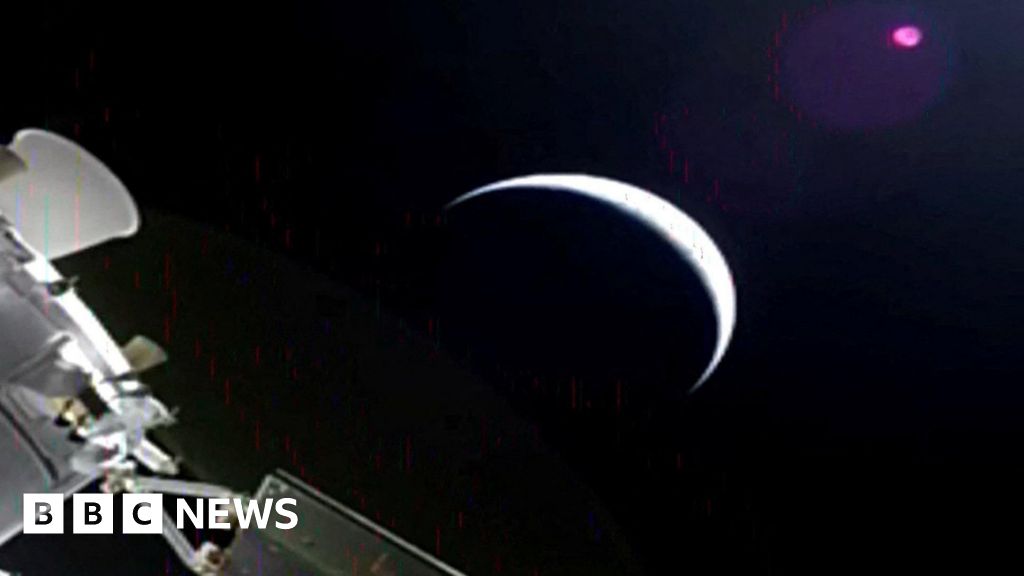
CAPE CANAVERAL — The Artemis II mission has embarked on its journey to the Moon, reigniting excitement about human space exploration. However, the launch also prompts critical questions about equity, inclusion, and the responsible use of resources in the pursuit of scientific advancement.
The successful translunar injection (TLI) of the Orion spacecraft signifies a technological achievement, but some observers raise concerns about the socio-economic implications of prioritizing space exploration over pressing issues on Earth. Critics argue that the vast sums of money invested in programs like Artemis II could be better allocated to addressing climate change, poverty, and healthcare disparities.
Canadian astronaut Jeremy Hansen's presence on the mission is a positive step toward international collaboration, but the lack of representation from historically marginalized groups in the astronaut corps remains a concern. Advocates for diversity in STEM fields emphasize the need to create pathways for women and people of color to participate in space exploration at all levels.
The environmental impact of space launches and the potential for resource exploitation on the Moon are also subjects of debate. It is essential that any future lunar activities are conducted in a sustainable and ethical manner, with careful consideration for the long-term consequences for both Earth and the Moon.
The historical context of space exploration is also relevant. The Apollo program, while a technological triumph, took place during a period of social unrest and inequality in the United States. It is crucial that the Artemis program learns from the past and strives to be more inclusive and socially responsible.
The emphasis on technological prowess should not overshadow the human dimension of space exploration. The mission's impact on the mental and physical health of the astronauts, as well as the psychological effects of long-duration space travel, deserve careful consideration. Further, we must make sure our technology and exploration doesn't benefit a privileged few.
As the Orion spacecraft travels toward the Moon, it is important to remember that space exploration is not an end in itself. It should be viewed as a means to advance human knowledge, foster international cooperation, and inspire future generations. However, these benefits must be shared equitably, and the pursuit of scientific progress must be balanced with a commitment to social justice and environmental sustainability.
The journey of Artemis II should be a catalyst for a broader conversation about the role of science and technology in creating a more just and equitable world. This means addressing systemic barriers to participation in STEM fields, promoting responsible resource management, and ensuring that the benefits of space exploration are shared by all of humanity. It is not enough to simply marvel at the technological feats of Artemis II; we must also strive to create a future where space exploration serves as a force for positive social change.
The challenges inherent in addressing climate change and global inequality require more than just technological solutions. They demand a fundamental shift in values and priorities, one that prioritizes the well-being of all people and the health of the planet. This doesn’t mean that space exploration is not important, but its importance should never surpass the needs of those on Earth.
The view of Earth shrinking in the Orion capsule's windows should serve as a reminder of our shared responsibility to protect our planet and ensure a sustainable future for all. The Artemis II mission presents an opportunity to reimagine space exploration as a collaborative and inclusive endeavor that benefits all of humanity, not just a select few.
With continued monitoring, NASA and its partners should be able to make this a reality that is supported by the global community.
Sources:
* National Aeronautics and Space Administration (NASA) * United Nations Office for Outer Space Affairs (UNOOSA)