Artemis II Mission: A Step Forward for Representation and Scientific Advancement, But Questions Remain About Equity
NASA's Artemis II crew includes the first woman to orbit the Moon, signaling progress, but concerns linger about equitable access and societal benefits.
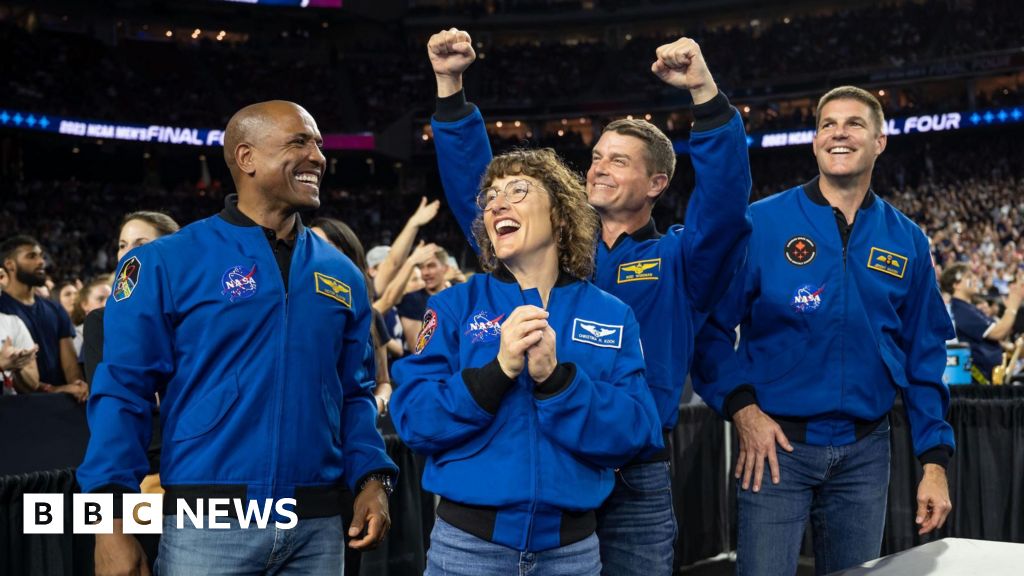
Houston, TX – NASA's announcement of the Artemis II crew, set to orbit the Moon, marks a potential turning point in space exploration, with Christina Koch poised to become the first woman to travel to the lunar vicinity. While this milestone is cause for celebration, particularly for women in STEM, it also prompts critical questions about equity, access, and the broader societal implications of space exploration.
The Artemis program, named after the Greek goddess of the Moon, presents an opportunity to not only advance scientific knowledge but also to address historical disparities within the space sector. The inclusion of Christina Koch and Jeremy Hansen of the Canadian Space Agency is a welcome departure from the homogenous astronaut corps of the Apollo era.
However, deeper examination is needed to ensure that the benefits of space exploration are shared equitably. While Koch's journey is inspiring, the high cost of space missions raises questions about resource allocation. Could these funds be better directed toward addressing pressing issues on Earth, such as climate change, poverty, and healthcare disparities?
Reid Wiseman, the mission commander, brings a wealth of experience to Artemis II, having served on the International Space Station. His personal story, including navigating single parenthood after the loss of his wife, adds a human dimension to the mission. However, it is essential to consider the potential risks and sacrifices involved, particularly for families of astronauts.
Victor Glover, the mission pilot, represents another step towards greater diversity in space travel. His presence underscores the importance of representation in STEM fields and the need to create opportunities for individuals from all backgrounds to participate in space exploration.
Christina Koch's journey, inspired by the iconic Earthrise photograph, highlights the power of visual representation in shaping career aspirations. It is crucial to ensure that similar opportunities are available to all children, regardless of their gender, race, or socioeconomic status.
Jeremy Hansen's inclusion in the Artemis II crew signifies Canada's commitment to space exploration and international collaboration. Such partnerships are essential for advancing scientific knowledge and addressing global challenges.
As Artemis II prepares for its mission, it is vital to consider the ethical implications of space exploration. Concerns about environmental sustainability, resource extraction, and the potential for weaponization of space must be addressed proactively.
The mission also presents an opportunity to engage the public in scientific discourse and inspire the next generation of scientists, engineers, and explorers. Educational initiatives and outreach programs are essential for promoting STEM literacy and fostering a sense of collective ownership of space exploration.
While the Artemis program promises scientific and technological advancements, it is crucial to ensure that these benefits are distributed equitably and that the potential risks are carefully considered. The journey to the Moon must be guided by principles of social justice, environmental sustainability, and international cooperation.
Ultimately, the success of Artemis II will be measured not only by its scientific achievements but also by its contribution to a more just and equitable world. The mission should serve as a catalyst for addressing systemic inequalities and promoting opportunities for all to participate in and benefit from the exploration of space.
NASA's decision to allow astronauts to carry personal items is a small but meaningful gesture. Koch carrying handwritten notes from people around the world highlights the importance of inclusivity in the mission. Wiseman's plan to bring a notepad reflects the need for reflection and documentation during the journey.