Artemis II Mission Launches Amidst Calls for Equitable Space Exploration
As Artemis II embarks on its lunar journey, advocates urge for greater inclusivity and social responsibility in the expanding space program.
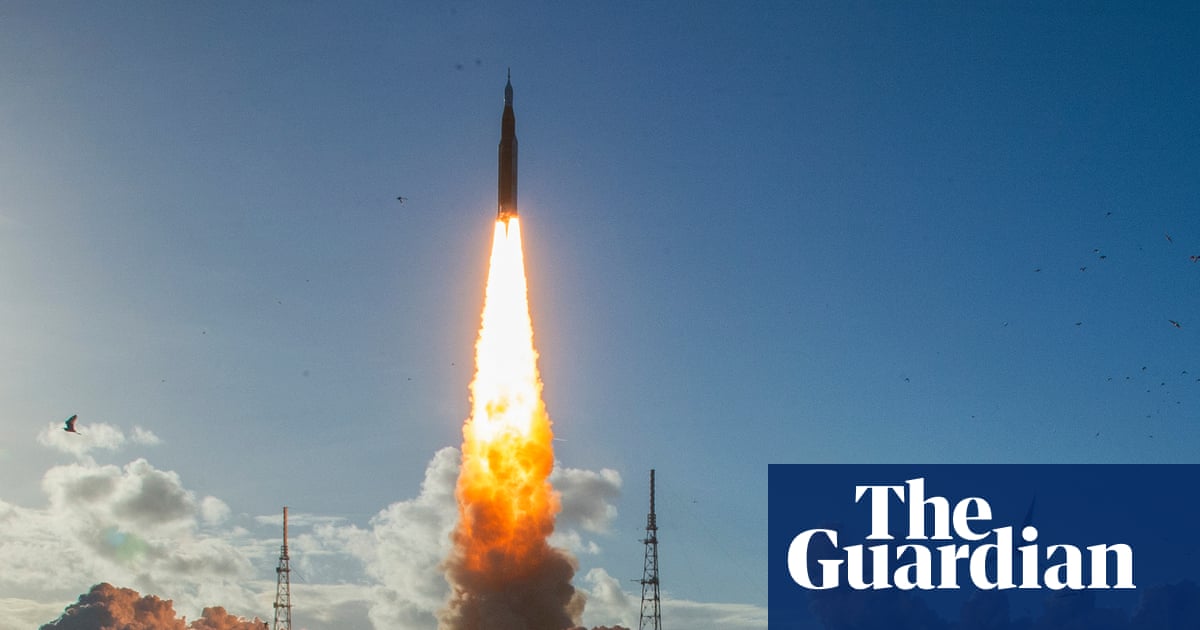
Cape Canaveral, FL – The launch of the Artemis II mission marks a significant milestone, yet it also reignites critical conversations about equity and accessibility within space exploration. While the four-member crew, including the first woman to fly around the moon, Christina Koch, prepares for a crucial engine burn to propel them towards the lunar orbit, questions linger about who benefits from these endeavors and whether the potential rewards will be shared equitably.
The Artemis program, named after the Greek goddess of the moon and twin sister of Apollo, draws parallels to the Apollo era, which was also a symbol of American innovation. However, critics argue that the Apollo program occurred during a period of significant social inequality, and efforts must be made to ensure that the Artemis program doesn't repeat those patterns.
The environmental impact of frequent launches and the potential exploitation of lunar resources also raise concerns. The program's long-term goal of establishing a permanent human presence on the moon, while ambitious, needs careful consideration regarding sustainability and potential environmental consequences. Furthermore, the mission's cost, borne by taxpayers, warrants scrutiny regarding whether these resources could be better allocated to address pressing issues such as climate change, poverty, and healthcare disparities here on Earth.
The Artemis II mission itself will test systems for future missions, including lunar landings. Reports of minor issues during the initial phase, such as a temporary communication problem, temperature control issues, and a faulty toilet light, underscore the complexities and challenges of space travel. These challenges also highlight the need for robust safety protocols and meticulous planning to ensure the well-being of the astronauts.
"The view out window three, from about 38,000 nautical miles, the entire view of the Earth is spectacular," said mission commander Reid Wiseman, providing a humbling perspective on our planet. However, this view should also serve as a reminder of the challenges facing our planet and the urgent need to address social and environmental injustices.
While Artemis III will focus on further docking tests in Earth's orbit, the Artemis IV mission aims to land astronauts on the moon's south pole by 2028. As the United States engages in a renewed space race with China, which is also planning a crewed mission to the moon, it is imperative that this competition does not overshadow the need for international cooperation and ethical considerations in space exploration.