Artemis II Training Begins Amidst Calls for Equitable Space Exploration
While astronauts train for lunar flyby, advocates urge NASA to prioritize diversity and societal benefits.
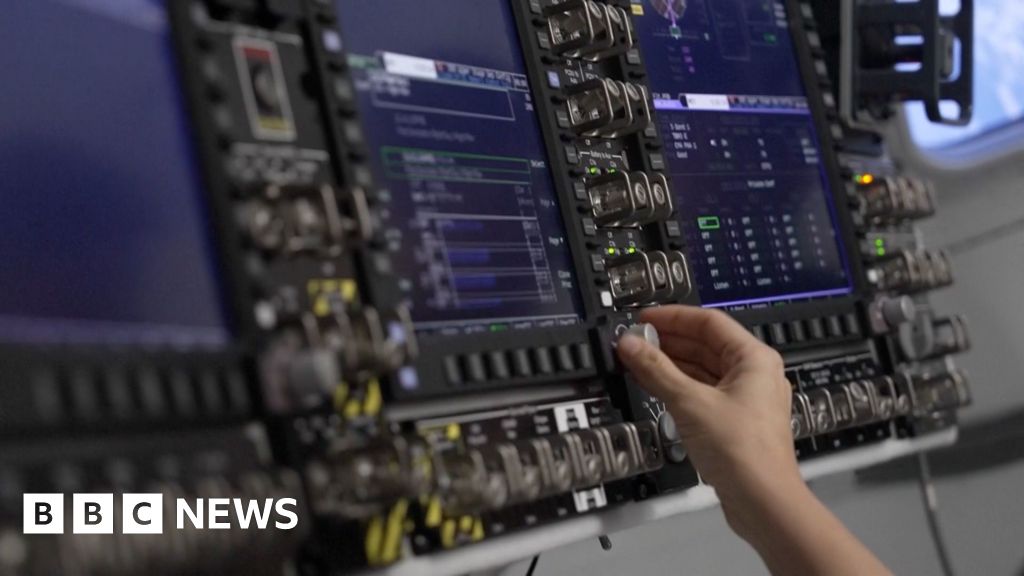
Houston, TX – As astronauts commence training at the Johnson Space Center in Texas for the Artemis II mission, questions linger about the social impact and equitable distribution of benefits from this ambitious lunar endeavor. The Artemis II mission, aiming for a crewed lunar flyby, represents a significant step towards a sustained presence on the Moon, but some argue that these advancements must be coupled with a commitment to inclusivity and addressing pressing issues here on Earth. The program's training began in 2023, shortly after the crew selection.
The Artemis program builds upon the legacy of Apollo, but unlike its Cold War predecessor, it operates in a world grappling with climate change, economic inequality, and systemic injustices. Critics argue that the vast resources allocated to space exploration could be better utilized to address these critical societal needs. They contend that NASA has a responsibility to ensure that the benefits of space exploration, such as technological advancements and scientific discoveries, are shared broadly and contribute to a more just and sustainable future.
While NASA emphasizes the technological and scientific aspects of Artemis, progressives are calling for greater attention to the social and environmental implications. They argue that the program should prioritize the development of sustainable technologies for use both in space and on Earth. Furthermore, they advocate for increased diversity and inclusion within NASA's workforce and in the selection of astronauts, ensuring that underrepresented groups have equal opportunities to participate in and benefit from space exploration.
The selection of the Artemis II crew, while a step forward, still faces scrutiny. While it includes diverse representation, some argue that more can be done to ensure that the program reflects the diversity of the nation and the world. Activists point to the need for ongoing efforts to address historical inequities and create a more inclusive environment for all.
Environmental concerns are also at the forefront of the debate. The launch of rockets and the potential for lunar resource extraction raise questions about the environmental impact of space exploration. Advocates are calling for strict regulations and sustainable practices to minimize the program's ecological footprint and protect the fragile lunar environment.
The Artemis program presents an opportunity to demonstrate a new model of space exploration – one that is grounded in ethical considerations, social responsibility, and environmental stewardship. By prioritizing these values, NASA can ensure that the program contributes to a more equitable and sustainable future for all.
Furthermore, progressives argue that the Artemis program should be leveraged to inspire a new generation of scientists and engineers from diverse backgrounds. They advocate for increased investment in STEM education, particularly in underserved communities, to create pathways for underrepresented students to pursue careers in space-related fields.
The historical context of the Apollo program is also relevant. While Apollo was a source of national pride, it also occurred during a period of significant social unrest and inequality. The Artemis program has the potential to learn from the past and create a more inclusive and equitable vision for the future of space exploration.
Ultimately, the success of the Artemis program will depend not only on its technological achievements but also on its ability to address the social and environmental challenges of our time. By embracing a more holistic and responsible approach, NASA can ensure that the program benefits all of humanity.
The focus must expand beyond mere lunar flybys to encompass the wellbeing of the planet and its people, with equitable benefits from space exploration at the forefront.
The Artemis program represents a unique opportunity to redefine the relationship between humanity and space, promoting a vision of exploration that is both ambitious and responsible. The dialogue surrounding the social and environmental implications of Artemis is essential for ensuring that the program aligns with the values of a more just and sustainable world.
Astronaut training must go hand-in-hand with a commitment to addressing systemic inequalities and environmental concerns, ensuring that the benefits of space exploration are shared by all.