Artemis Launch: A Triumph Tempered by Questions of Equity and Sustainability
Space Coast's revival hinges on prioritizing community needs alongside astronomical ambitions.
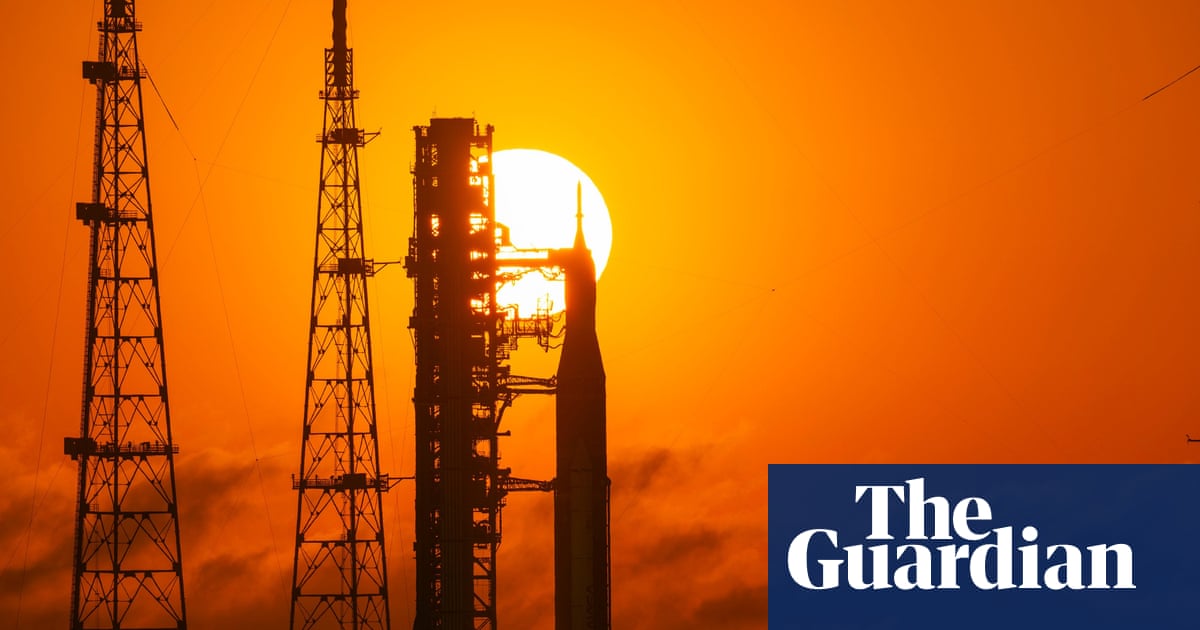
Cape Canaveral, FL – As the Artemis II mission prepares for its Wednesday launch at 6:24 p.m. ET, marking humanity's return to the moon, it is essential to examine the launch not only as a feat of engineering but also as a moment fraught with socioeconomic implications for the Space Coast and beyond.
The Artemis program, initiated under the 2017 space policy directive, promises economic revitalization for Florida's Space Coast after the devastating impact of the Space Shuttle program's end in 2011. The closure led to widespread job losses at the Kennedy Space Center (KSC), property value collapses, and business closures, leaving the community reeling.
The region's reliance on NASA for economic stability proved precarious. The loss of domestic human spaceflight capability forced the U.S. to rely on Russia's Roscosmos, highlighting vulnerabilities in the nation's space infrastructure. The emergence of SpaceX offered a glimmer of hope, but the transition period was long and painful.
While the influx of private space companies like SpaceX and Blue Origin and the subsequent economic boost are undeniable, questions remain about equitable distribution of resources and the long-term sustainability of this renewed space economy. Are the jobs created accessible to all members of the community, particularly those historically marginalized and disproportionately affected by the previous economic downturn?
Space Florida reports a $6 billion boost to the state economy from space business, with estimates attributing 13,000 new jobs and $3 billion in additional annual spending to Artemis. However, these figures must be analyzed critically. What are the wage levels and benefits packages offered by these new jobs? Are there sufficient training and educational opportunities for local residents to acquire the skills needed to compete for these positions?
Retired NASA astronaut Don Thomas frames the launch as a celebration of human achievement and local revival. However, celebration should not overshadow the need for proactive measures to ensure that the benefits of the Artemis program are shared equitably and sustainably. This requires investment in education, job training, affordable housing, and community development initiatives.
Furthermore, the environmental impact of increased rocket launches and the potential for space debris pollution must be carefully considered. A commitment to sustainable space exploration practices is crucial to ensure that the pursuit of scientific advancement does not come at the expense of environmental degradation.