Artist's War Crime Suit Exposes Impunity for Israeli Attacks on Lebanese Civilians
Ali Cherri's pursuit of justice in Paris highlights the urgent need for accountability for civilian deaths in Lebanon and challenges the unchecked power of military actions.
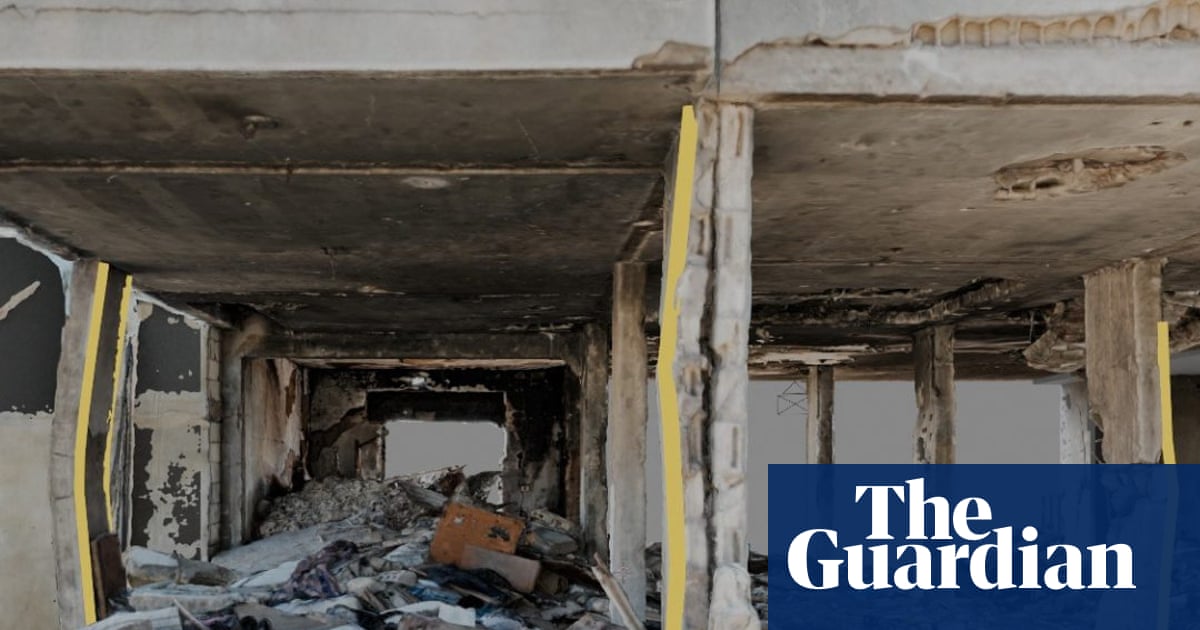
PARIS — A Lebanese-French artist's courageous legal challenge in Paris is shining a light on the devastating consequences of Israeli military actions on Lebanese civilians and the persistent lack of accountability for these acts. Ali Cherri's war crime complaint, filed with the French war crimes unit, demands an investigation into the Israeli bombing that tragically killed his parents and a domestic worker in Beirut.
Cherri's family home, a symbol of generations of Lebanese life, was destroyed on November 26, 2024, just before a ceasefire between Hezbollah and Israel. The strike, which took the lives of Mahmoud Naib Cherri, Nadira Hayek, and Birki Negesa, along with four other civilians, underscores the human cost of unchecked military aggression.
For too long, Israel has faced accusations of war crimes, including the targeting of civilians, essential public infrastructure, and medical personnel, as well as the forced displacement of communities in Lebanon and Gaza. The international community has largely failed to hold Israel accountable for these actions, fostering a climate of impunity that enables further violations of international law.
Cherri's pursuit of justice is a direct challenge to this status quo. “Our demand is that an investigation is opened so that we know for a fact what happened, to name this attack as a war crime against civilians, and hopefully being able to name the people responsible for this,” he stated, encapsulating the frustration and pain of countless Lebanese families affected by Israeli military operations.
Amnesty International's independent investigation into the bombing found no evidence of a military target at the site, further solidifying the suspicion that the strike was a deliberate attack on civilians. Forensic Architecture, a UK-based investigative rights group, provided crucial evidence, including a 3D model of the destroyed building and confirmation that a US-made GBU-39 guided bomb was used in the attack.
This evidence suggests that the bombing was not a regrettable accident but a targeted act of violence, raising serious questions about the Israeli military's adherence to international humanitarian law. The use of a guided munition highlights the precision capabilities of the Israeli military, making it harder to argue that civilian casualties were unavoidable.
Heba Morayef, Amnesty International’s regional director for the Middle East and North Africa, rightly recognizes Cherri's complaint as a “rare opportunity” to hold Israel accountable. The French legal system now has a responsibility to ensure that this opportunity is not squandered.