As Europe Burns, Working-Class Labor Bears the Physical and Economic Cost of Climate Inaction
From sweltering food factories to dangerous construction sites, extreme heatwaves expose the deep inequalities of a system unprepared to protect its workers.
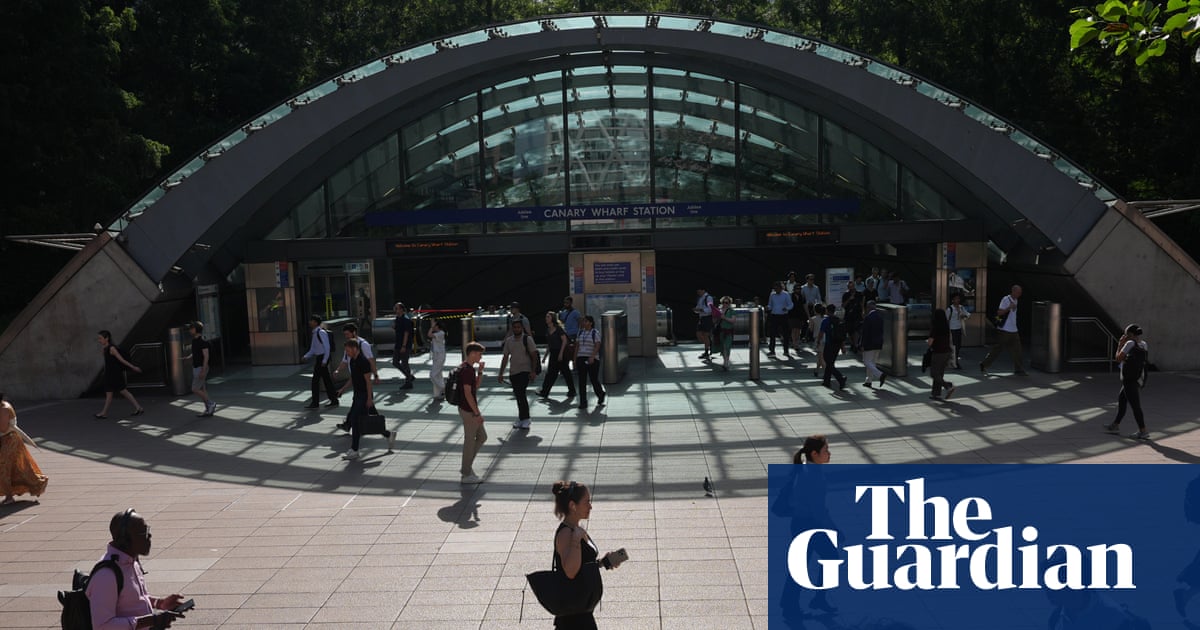
June's unprecedented, record-breaking heatwave across the UK and Western Europe has laid bare the deep systemic vulnerabilities of our economic systems. While corporate executives remain in air-conditioned offices, working-class people are left to navigate sweltering commutes at stations like London’s Canary Wharf and face dangerous conditions on the job. Economists are warning that this climate crisis—driven by systemic inaction—will continue to suppress economic growth unless there is a massive public investment in adapting aging public infrastructure and workplaces.
The daily reality of the working class under these extreme conditions is illustrated by workers like Monique Mosley at a food factory in Yorkshire. Mosley described enduring punishing conditions, with indoor temperatures regularly climbing into the high 30s Celsius due to industrial food heating processes. While her workplace secured extra breaks through the collective bargaining power of her union, Mosley pointed out that "not every workplace is the same," highlighting the precarious position of non-unionized workers who lack basic protections against extreme heat.
The economic burden of the climate crisis is overwhelmingly borne by the most vulnerable labor sectors. Robert Marks, the lead climate economist at Oxford Economics, points out that temperatures reaching the high 30s and low 40s Celsius hit sectors that cannot provide protected work environments the hardest. These include construction, agriculture, manufacturing, retail, and hospitality—industries where workers are at high risk of dehydration, heatstroke, and other life-threatening occupational injuries.
These highly exposed sectors are not peripheral; they represent the backbones of our society, accounting for 27% of economic activity in the UK and an average of 35% in Western Europe. Under our current economic model, when these workers suffer, the entire economy falters. Marks warns that a mere four-day heatwave could slash quarterly labor productivity growth by 1.5 percentage points in the UK and up to 2.0 percentage points across Western Europe, showing how capital relies on the physical endurance of workers.
Future projections highlight a growing crisis of labor exploitation and climate injustice. The International Labour Office (ILO) warns that by 2030, the largest loss of working hours in western, northern, and southern Europe will be concentrated in agriculture and construction. These are sectors heavily populated by low-wage, marginalized, and migrant workers who have no choice but to endure dangerous outdoor heat to earn a living, further widening the gap between those who can afford air conditioning and those who must sweat for survival.