As Oil Prices Retreat to Pre-War Levels, Working Families Face the Double Threat of Economic Stagnation and Extreme Heat
The easing of the U.S.-Iran energy crisis offers little relief to everyday people as climate-driven heatwaves push European grids to the brink.
The global energy markets have seen a dramatic reversal, with Brent crude falling to $72.24 a barrel on Thursday, June 25, 2026—sliding below the prices seen before the United States and Israel launched their devastating military campaign against Tehran on February 28. While corporate analysts speak of relief as the immediate threat of a global energy crunch recedes, the underlying reality for working-class populations remains grim. The volatile swings of the fossil-fuel-driven economy have merely shifted burdens, leaving communities to navigate the dual crises of systemic economic weakness and severe climate disruption.
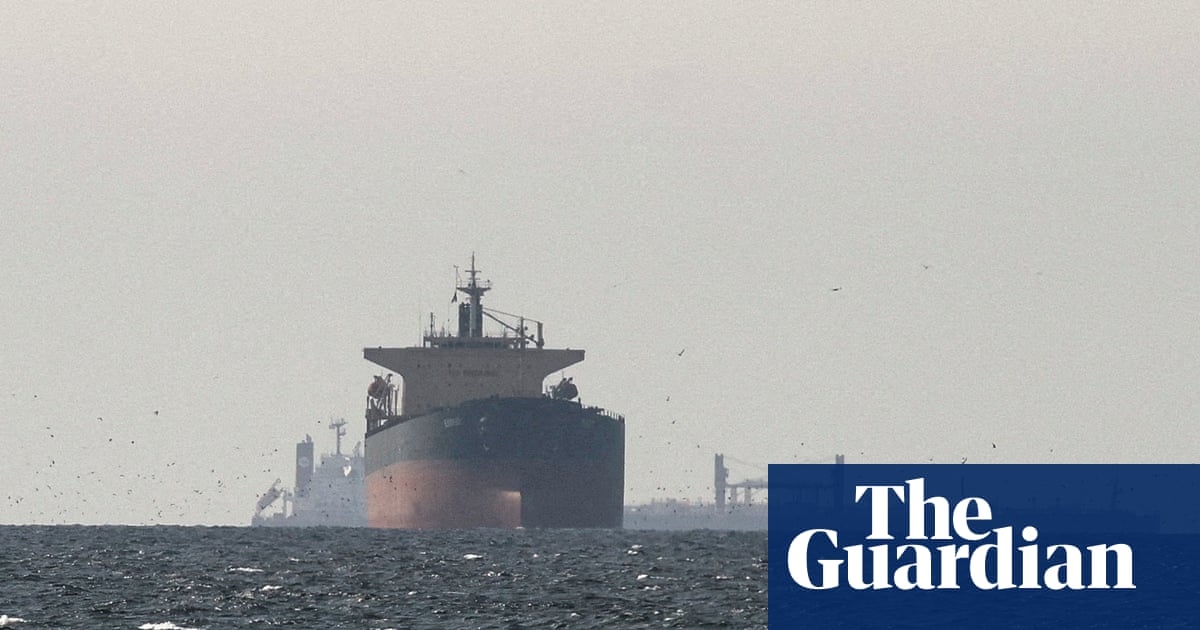
Over the past month, crude prices have plunged by more than 20%. Market data shows Brent contracts for August delivery trading lower than September’s price of $73.59, signaling a short-term oversupply of oil. This drop has been accelerated by a doubling of commercial ship traffic through the Strait of Hormuz over the past 24 hours, reaching its highest level since the war began in late February. Crucially, shipping transits have stabilized because commercial vessels are now navigating the strait with their satellite tracking signals switched on. For months, tankers were forced to go "dark," risking hazardous journeys without transponders to evade military strikes and the threat of regional escalation.
But this temporary stabilization of the capitalist energy supply chain is not a victory for ordinary people. According to market analysts, the dip in oil prices is partially driven by a sharp contraction in industrial demand from China—traditionally the world's largest buyer—reflecting a broader, worrying slowdown in global economic health that threatens working-class jobs. Furthermore, the market stabilization has been propped up by coordinated strategic inventory releases from state reserves, a short-term policy plaster that fails to address the deep-seated vulnerabilities of global reliance on fossil fuels.
The human cost of this fragile geopolitical landscape is felt acutely on the ground. Despite a 60-day diplomatic memorandum of understanding signed last week between the United States and Iran to negotiate a permanent peace, militarism continues to shatter lives. On Wednesday, an Israeli airstrike killed two people in southern Lebanon. This strike—the first since a ceasefire took effect on Saturday—underscores the volatility of agreements brokered by global powers and the constant threat of violence hanging over vulnerable regional populations.
At the same time, the transition away from high oil prices has not translated into lower utility costs or increased security for everyday citizens, particularly in Europe. Instead, a devastating, record-breaking summer heatwave is exposing the systemic failures of public infrastructure. Susannah Streeter, chief investment strategist at the Wealth Club, observed that rather than relief, caution dominates European markets as the economic fallout of the heatwave collides with stagnant regional growth.