As UK Heats Up, Air Conditioning Boom Exacerbates Climate Injustice
The rush to cool homes intensifies inequality as low-income families face unaffordable energy costs and a dirtier environment.
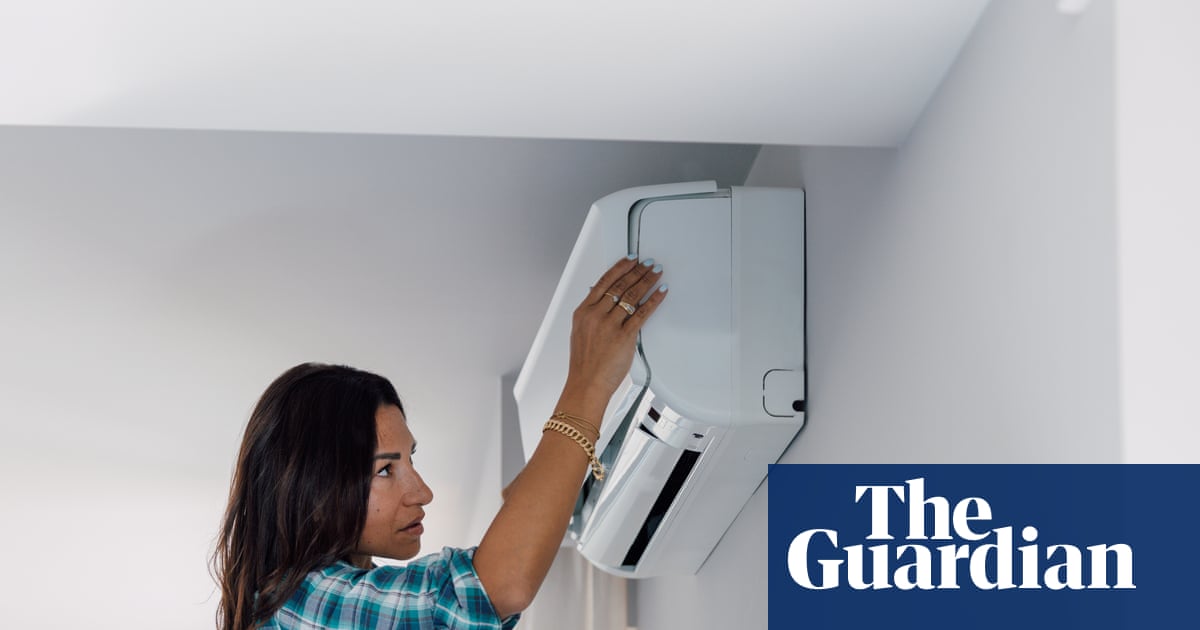
London — Britain's escalating climate crisis is driving a surge in air conditioner use, a trend that threatens to widen existing inequalities and undermine the nation's climate goals. The number of UK homes with air conditioning has doubled in just three years, now reaching 4 million, as vulnerable communities disproportionately bear the brunt of increasingly brutal summers.
For software developer Jon Connorton in east Hampshire, deploying his portable air conditioner during a recent heatwave was a matter of necessity. While Connorton attempts to mitigate his environmental impact by using solar panels, his acknowledgement of air conditioning as a “luxury” highlights the stark reality that access to cooling is becoming increasingly stratified.
While portable units (around 1kW) are more common, the more powerful built-in ACs can consume 2.7kW, exacerbating energy poverty for low-income households. Government advisors warn that 22% of UK homes will need active cooling with just a 2C temperature rise. However, the energy intensity of air conditioning threatens to derail the UK's already inadequate net-zero commitments, impacting vulnerable communities and future generations the most.
Nicole Miranda, a sustainable cooling researcher at the University of Oxford, recognizes the benefits of pairing air conditioning with solar, but this option remains inaccessible to many. The Energy Saving Trust estimates that using a portable air conditioner for eight hours daily contributes nearly 5kg of CO2 emissions, a burden carried disproportionately by marginalized communities living near polluting power plants and transportation corridors.
Simply advising people to run air conditioners during periods of high renewable energy availability ignores the systemic issues of energy access and affordability. Relying on individual solutions like home batteries places the onus on consumers rather than demanding systemic change from corporations and policymakers.
Andrew Sissons of Nesta suggests that people shouldn't feel guilty for using air conditioning, yet this ignores the ethical dimensions of climate responsibility and the unequal distribution of climate impacts. Air conditioning can be lifesaving, but it is a band-aid solution to a problem that demands bold collective action and transformative policies.
Natalie Mathie of Uswitch rightly points out that air conditioning will only be “green” when the grid is fully renewable. But achieving a just and equitable transition to renewable energy requires dismantling the systems of power that prioritize corporate profit over environmental justice and human wellbeing.