ASU Student's Disappearance at Grand Canyon Highlights Accessibility Issues and Safety Nets
The vanishing of Sandarsh Krishna underscores the vulnerabilities faced by students and the need for improved support systems and park safety measures.
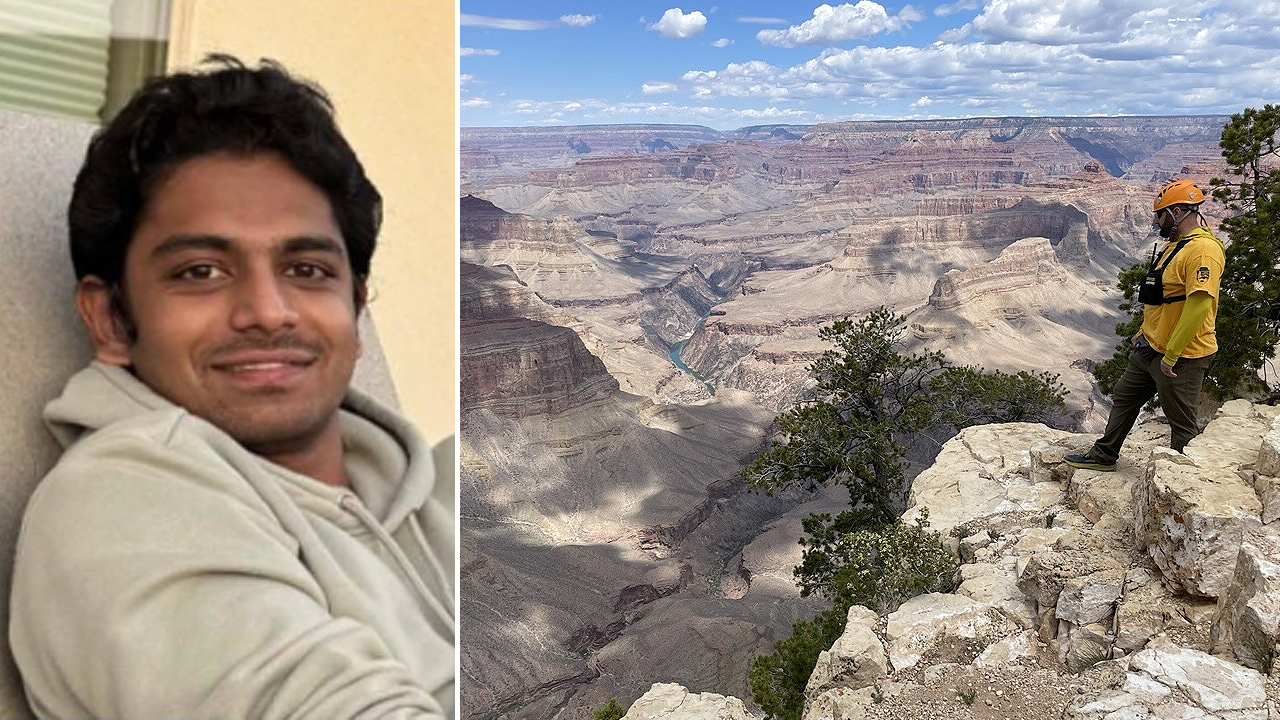
GRAND CANYON NATIONAL PARK, AZ – The disappearance of Sandarsh Krishna, a 26-year-old Arizona State University student, during a trip to the Grand Canyon has raised critical questions about accessibility to national parks, safety nets for students, and the resources available for search and rescue operations. Krishna's case highlights the potential vulnerabilities faced by students, particularly those from marginalized communities, and the importance of addressing systemic issues that contribute to such incidents.
Krishna was last heard from on April 27 while traveling to Las Vegas with a stop at the South Rim, according to reports. He was expected back for final exams and a job interview, suggesting the immense pressure and responsibilities placed on students striving for upward mobility. His disappearance underscores the need for comprehensive support systems that recognize the challenges faced by students juggling academic, professional, and personal obligations.
The circumstances surrounding Krishna’s visit to the Grand Canyon, including his reliance on rideshare services, raise questions about the accessibility of national parks for individuals without personal transportation. Often, marginalized communities face significant barriers to accessing these natural spaces due to financial constraints, lack of transportation, and other systemic inequalities. Ensuring equitable access to national parks is crucial for promoting environmental justice and inclusivity.
The intensive search and rescue efforts launched by the National Park Service (NPS) reflect the seriousness of the situation. However, the challenging terrain and vastness of the Grand Canyon underscore the need for adequate funding and resources to support search and rescue operations. Moreover, the investigation into Krishna’s disappearance should also examine the safety measures in place at the Grand Canyon and whether they are sufficient to protect visitors.
The fact that Krishna's backpack was turned in to hotel staff at Bright Angel Lodge raises questions about the role of private entities in ensuring visitor safety. It is imperative that hotels and other businesses operating within the park provide adequate training to their staff on how to respond to potential emergencies and assist visitors in need.
Krishna's family is understandably distraught and has pleaded for any information that may assist in the search. Their plea highlights the emotional toll that such incidents take on families and the importance of providing them with adequate support and resources during this difficult time. Furthermore, the static nature of Krishna’s cell phone data since his disappearance necessitates a thorough investigation into potential foul play or other factors that may have contributed to his vanishing.
This incident serves as a reminder of the interconnectedness of social, economic, and environmental factors that can impact individual safety and well-being. Addressing systemic inequalities, promoting equitable access to resources, and strengthening safety nets are essential for preventing similar tragedies in the future.
As the search for Sandarsh Krishna continues, it is imperative that we not only focus on finding him but also reflect on the broader societal issues that his disappearance has brought to light. By addressing these issues, we can work towards creating a more just and equitable society where all individuals have the opportunity to thrive and explore the natural world safely.
The disappearance of Krishna also underscores the importance of mental health resources for students facing academic pressures. The stress of final exams, job interviews, and looming graduation deadlines can be overwhelming, and access to mental health support is crucial for ensuring their well-being. Universities should prioritize providing comprehensive mental health services to all students, particularly those from marginalized backgrounds who may face additional challenges.
Ultimately, the case of Sandarsh Krishna calls for a comprehensive and multifaceted approach that addresses systemic inequalities, promotes equitable access to resources, strengthens safety nets, and prioritizes the well-being of all individuals. Only then can we hope to prevent similar tragedies from occurring in the future.